Lahore Safe City System Issues Rs. 5,000 E-Challan to Pedestrian
Automated traffic enforcement systems rely heavily on advanced cameras and algorithms to maintain order on busy urban streets. However, technology can sometimes misinterpret real-world scenarios, leading to bizarre administrative errors for local vehicle owners. In Lahore, the Safe City surveillance network recently generated a Rs. 5,000 e-challan after mistaking a woman walking on foot for a vehicle traveling the wrong way.
The mistake occurred at the Central Flats signal located in the Faisal Town area of Lahore. Automated cameras stationed at the intersection flagged the pedestrian for committing a one-way traffic violation. Because the system links infractions to nearby vehicle registration details, the automated fine went directly to Dr. Waqas, whose car happened to be driving past the location at that exact moment.
City officials responded to the incident by attributing the mistake to a technical glitch within the automated software. Authorities confirmed that the erroneous penalty was later corrected after being reviewed. Incidents of this nature highlight the challenges faced by law enforcement agencies as they transition from manual traffic policing to fully automated digital surveillance networks.
How Automated Traffic Cameras Work in Lahore
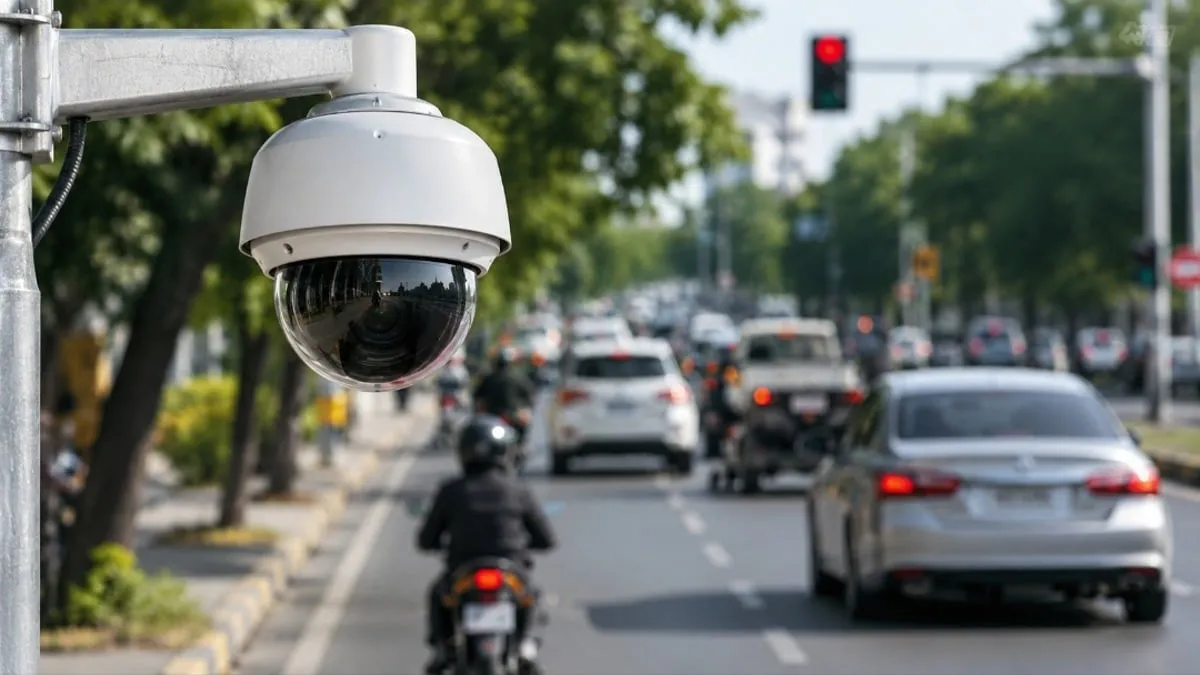
Lahore relies extensively on modern technological infrastructure to monitor public roads and penalize traffic violations without requiring constant physical intervention by police officers. The Safe City project incorporates thousands of high-definition cameras deployed across major intersections, commercial hubs, and roadways throughout the provincial capital. These devices feed video streams into centralized monitoring units designed to detect infractions instantly.
Automated number plate recognition technology forms the backbone of this surveillance grid. When a camera detects a suspected violation, the system captures an image of the license plate and cross-references it with vehicle registration databases. Chief Traffic Officer Syed Abdul Rahim Shirazi explained that the city monitors more than 20 distinct types of traffic violations using this digital framework.
While automated enforcement helps manage vast volumes of traffic efficiently, anomalies do occur when algorithms misinterpret unusual movements on the road. Pedestrians crossing streets irregularly, stray animals, or heavy shadows can occasionally confuse optical sensors. Traffic administration units maintain review procedures to catch these false positives and cancel incorrect penalties before citizens face undue financial stress.
Sherakot Incident Highlights Severe Motorbike Violations
While automated systems process thousands of digital citations daily, physical traffic stops by police personnel continue to target habitual offenders with massive accumulated fines. In a separate enforcement action conducted in the Sherakot area of Lahore, traffic police intercept a motorcyclist who had accumulated a staggering Rs. 262,200 in unpaid penalties.
The offending rider had been caught breaking traffic laws on 141 separate occasions. A breakdown of the record reveals persistent disregard for basic safety rules, including 122 citations for riding a motorcycle without a protective helmet and 19 instances of running active traffic signals. Such cases demonstrate the extent to which some motorists ignore standard safety regulations until intercepted by street-level patrols.
Traffic management teams use targeted stop-and-search operations to catch vehicles with long histories of unpaid tickets. The interception in Sherakot underscores the difficulty of compelling chronic violators to clear their dues through digital notices alone, necessitating direct police intervention on the asphalt.
Broader Enforcement Measures and Government Vehicles
Lahore traffic authorities are expanding the scope of their penalty collection drives to cover all categories of road users without exception. Chief Traffic Officer Syed Abdul Rahim Shirazi announced that police intend to intensify enforcement efforts across the board. A major focus of this expanded campaign involves tracking down and recovering outstanding fines tied to official vehicles operated by various government departments.
Public sector cars and trucks frequently escape immediate roadside penalties due to administrative oversight or departmental immunity assumptions. By targeting official transport, traffic management directorates aim to demonstrate that road safety regulations apply equally to private citizens and state institutions alike. Authorities hope that rigorous tracking of official transport will improve compliance rates across all municipal sectors.
The combination of automated camera surveillance and active street patrols forms a comprehensive strategy to curb reckless driving in Lahore. As technical glitches are identified and rectified, administrative teams continue refining software parameters to reduce false penalties while tightening the net around genuine traffic offenders.