Government Collects Rs381 Billion in Petroleum Levy
The federal government collected Rs381 billion in petroleum levy during the first quarter of the current fiscal year, spanning from July to September. This financial outcome marks an increase of Rs10 billion compared to the same period of the previous year. Official data released by the Ministry of Finance highlights the revenue trajectories for the opening months of the fiscal cycle.
During the corresponding period of the previous fiscal year, petroleum levy collections stood at Rs371 billion. Alongside the petroleum levy, the administration also generated revenue from alternative charges. The government collected Rs22 billion through the carbon levy and Rs9 billion under the Electric Vehicle Adoption Levy during the first three months.
Understanding the Ministry of Finance Fiscal Operations Report
The Fiscal Operations Report serves as a comprehensive accounting mechanism for the government to track national income and expenditures. Financial analysts and economists monitor these documents to gauge the fiscal health of the country. The report details tax collections, non-tax revenues, and specific public sector receipts over defined quarterly intervals.
Levies on fuel products represent a major source of non-tax revenue for the state. Unlike standard taxes that are shared with provincial governments under constitutional formulas, petroleum levies generally remain within the federal pool. This makes fuel pricing mechanisms a direct tool for federal budget management.
Broader Revenue and Expenditure Breakdown
Total government revenue reached Rs6,003 billion during the July-September quarter. On the other side of the ledger, expenditures amounted to Rs4,370 billion. This dynamic created a budgetary position where incoming funds outpaced regular operational spending for the specific three-month window.
The State Bank of Pakistan recorded a profit of Rs1,932 billion during July-September, according to the ministry documents. Central bank profits typically stem from monetary policy operations, foreign exchange reserves management, and returns on government securities held by the bank. These earnings contribute significantly to non-tax revenues.
Primary Balance and National Debt Servicing Costs
The report showed that the government primary balance reached Rs2,973 billion, which is equivalent to 2.7% of GDP. Primary balance measures government revenue minus expenditures, excluding interest payments on debt. A positive primary balance indicates that current revenues are sufficient to cover current public services without borrowing for operational expenses.
However, servicing existing debt remains a massive financial obligation for the state. During the period under review, interest payments on loans amounted to Rs1,700 billion. These debt servicing costs absorb a large portion of total government revenues, leaving narrower margins for development projects.
Public Sector Spending on Defense and Administration
Beyond debt servicing, the federal government allocated funds across various vital sectors. Defense spending stood at Rs495 billion for the first quarter. National security outlays remain a consistent component of the federal budget to maintain operational readiness across the armed forces.
Administrative and social support costs also claimed substantial public funds. The government spent Rs263 billion on pensions for retired public servants. Civil administration expenses accounted for Rs206 billion, while targeted financial support through subsidies stood at Rs84 billion during the same three-month timeframe.
Implications for Citizens and the Economy
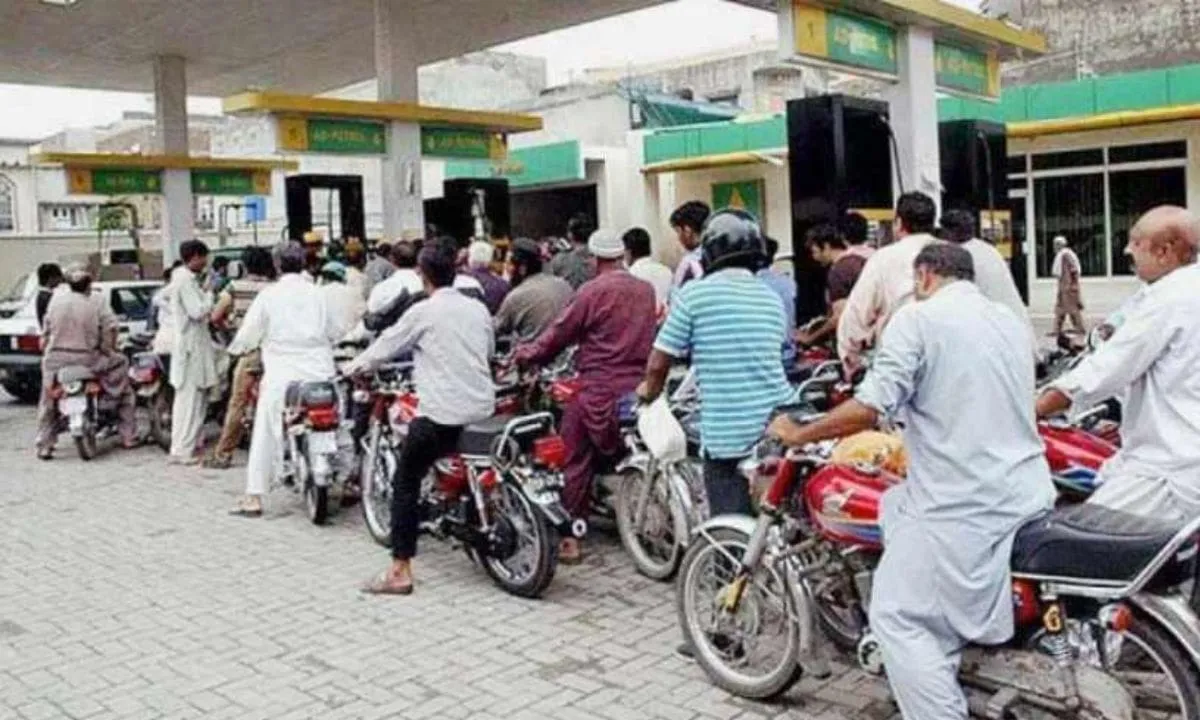
The collection of petroleum levies directly impacts consumers at fuel stations across the country. Higher levy rates translate to increased retail prices for petrol and diesel, which subsequently influence transportation costs and general inflation rates. Businesses reliant on logistics face fluctuating operational expenditures based on these pricing structures.
At the same time, strong revenue collection figures assist the administration in meeting targets agreed upon with international financial institutions. Public finance management remains a central focus for maintaining macroeconomic stability and fulfilling structural benchmarks required for ongoing economic programs.





