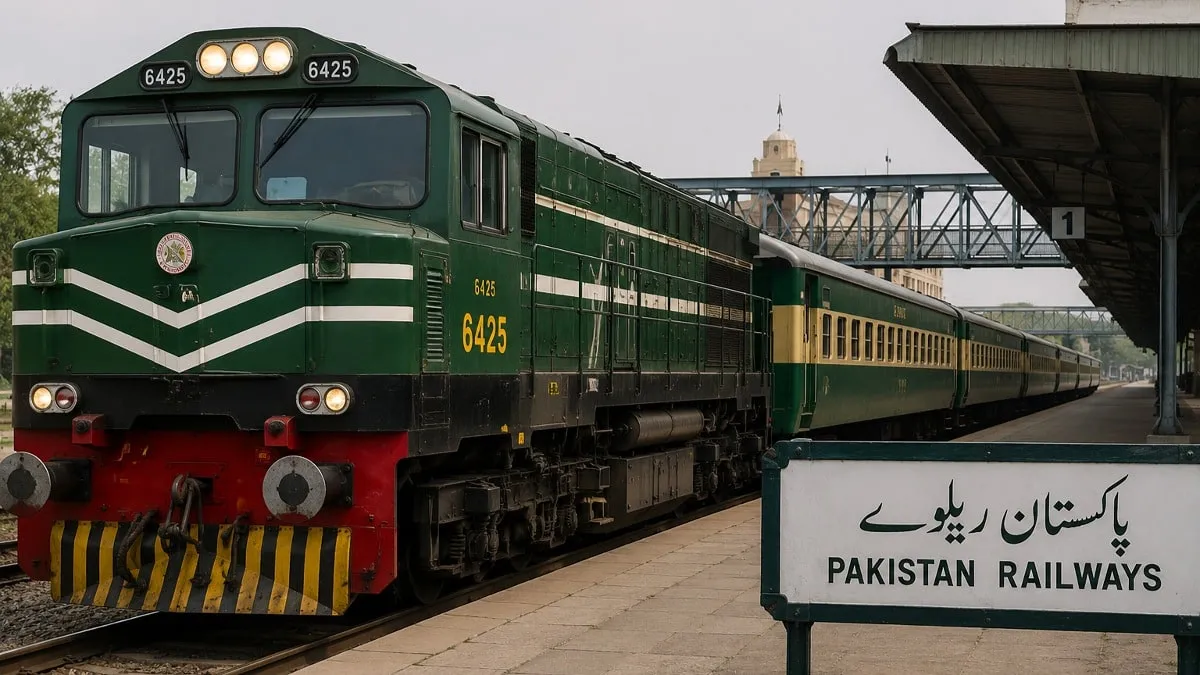
Governor Sindh Inaugurates Upgraded Awam Express
Sindh Governor Syed Muhammad Nihal Hashmi on Monday inaugurated the upgraded Karachi-Peshawar Awam Express, which is now operated under a public-private partnership. The launch event marked a notable shift in how one of the nation's principal railway links will serve commuters. Passengers boarding the newly enhanced service will find a range of modern passenger facilities designed to make long journeys more comfortable.
The upgraded train features a dedicated dining car. This addition aims to improve food and refreshment services during the journey. Travelling between Karachi and Peshawar spans a vast distance across the country, making onboard food access essential for travellers. The introduction of this amenity directly addresses long-standing complaints about food availability on extended rail trips.
Hashmi described the initiative as a practical step towards modernising Pakistan Railways and improving passenger services on one of the country's longest rail routes. Upgrading rolling stock and station amenities forms a core part of ongoing efforts to revitalise the national transport network. Officials hope that similar projects will follow across other major transit corridors.
The Vision Behind the Public-Private Partnership
Hashmi said Prime Minister Shehbaz Sharif was committed to providing better-quality and comfortable travel facilities to the public. He added that the operation of the Awam Express in collaboration with the private sector reflected this vision. State-run rail networks often face financial and operational constraints that slow down service improvements, making outside investment an attractive alternative.
The governor said the addition of the dining car would give passengers better access to food and beverages, making long-distance travel more convenient. Private operators often bring fresh management strategies and capital to public infrastructure projects. This collaborative model allows the state to retain ownership while leveraging commercial expertise for better service delivery.
Hashmi described public-private collaboration in the railway sector as a welcome development that could help modernise the system and improve service delivery. As transportation demands grow, government budgets alone struggle to fund every required upgrade. Partnerships with commercial entities help bridge this funding gap.
Commitment to Affordable and Safe Transport
Hashmi emphasised that stronger cooperation between the public and private sectors could play an important role in improving railway operations. He added that quality, safe and affordable transport remained a key government priority. Maintaining accessible ticket prices while upgrading onboard amenities is a central challenge for railway administrators.
Public transport serves millions of citizens who rely on trains for interprovincial travel due to lower costs compared to air travel or private cars. Ensuring that upgraded services remain within financial reach of ordinary citizens is vital for social mobility and economic connectivity. The Awam Express has historically served as a critical lifeline for working-class passengers moving between Sindh and Khyber Pakhtunkhwa.
Railway networks require continuous maintenance of tracks, signalling systems, and carriages to ensure passenger safety. Upgrading individual trains represents just one component of a broader strategy to overhaul national transit infrastructure. Authorities continue to evaluate various routes for potential public-private collaborations.
History and Background of the Awam Express
The Karachi-Peshawar route stands as one of the longest and most historic rail corridors in the country. Connecting the port city of Karachi in the south to Peshawar in the northwest, the line traverses thousands of kilometres and multiple provinces. Generations of citizens have relied on this iron road for commerce, family visits, and employment migration.
Over the decades, the railway system experienced periods of both growth and decline due to shifting economic priorities and funding limitations. Maintenance backlogs frequently affected train punctuality and passenger comfort. Recent years have seen renewed policy focus on reviving the rail sector through targeted investments and structural reforms.
Introducing dining cars and modern passenger amenities marks a return to standards once common in long-distance rail travel. Travellers on the Awam Express previously had to rely on station vendors or pack their own provisions for the multi-day journey. The new onboard dining service transforms the travel experience into something much more civilised.
Impact on Passengers and the Transport Sector
Everyday travellers stand to benefit directly from the improvements rolled out on the Awam Express. Better seating, cleaner carriages, and reliable food service reduce the physical toll of long-distance transit. Business travellers and families alike will notice the difference during their cross-country trips.
For the broader transport sector, successful public-private partnerships on trunk routes serve as a proof of concept. If private operators demonstrate profitability and high service standards, investors may show greater interest in other rail projects. This dynamic could accelerate the modernisation of freight and passenger services nationwide.
Local economies along the Karachi-Peshawar corridor also stand to gain from more reliable railway operations. Efficient transport links facilitate the movement of goods and labour, supporting regional trade and development. Reliable trains reduce the burden on national highways, lowering road maintenance costs and accident rates.
What to Watch for in Future Railway Developments
Observers of the national transport beat will monitor the performance of the upgraded Awam Express closely. Key performance indicators will include punctuality, maintenance standards, and passenger satisfaction levels. The financial viability of the private-partner model on this route will dictate future policy decisions.
Government officials have indicated openness to expanding similar arrangements to other express trains if this venture succeeds. Commuters should watch for announcements regarding additional upgraded routes or station facilities in the coming months. Ensuring long-term accountability and consistent service quality remains essential as these partnerships evolve.
The transition of passenger services to private management models signals a new chapter for national infrastructure administration. As the upgraded Awam Express travels between Karachi and Peshawar, it carries the hopes of reformers testing a new operational framework. The success of this train could reshape the future of travel across the entire rail network.





