Foreign Investment in Pakistan Investment Bonds Reaches Milestone
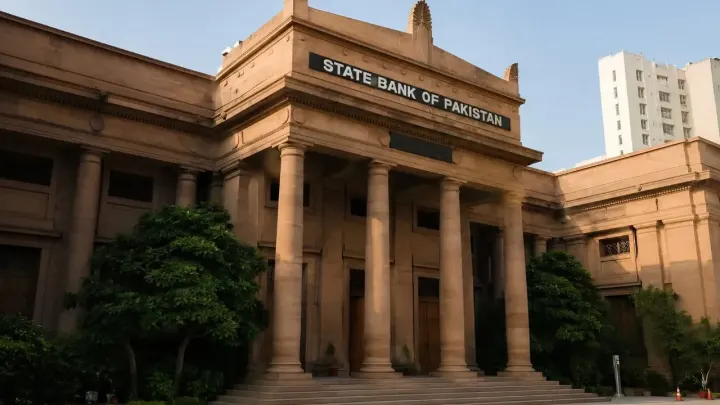
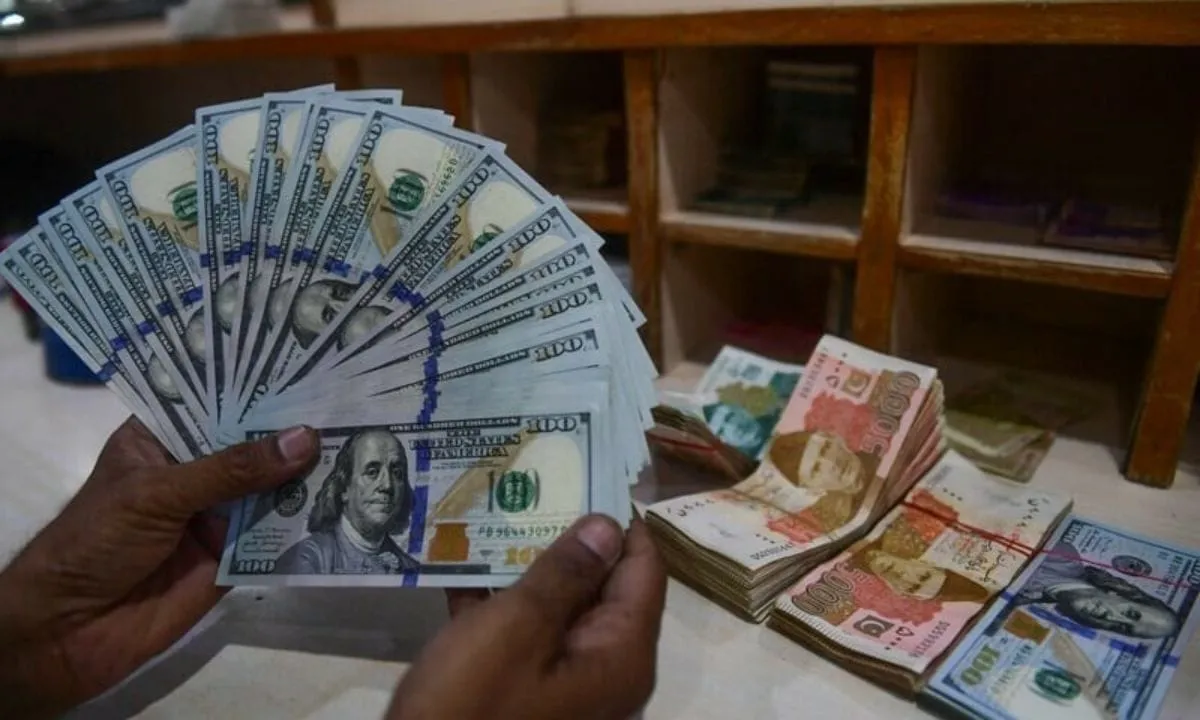
Foreign investment in Pakistan Investment Bonds (PIBs) exceeded $500 million in the first four months of fiscal year 2026-27, driven by yields that are the highest in the region. This influx reflects growing confidence in local debt instruments among international financiers seeking high returns in emerging markets. State Bank of Pakistan data show investors bought PIBs worth $509.2 million during July-October FY27, the highest figure for the period. About $251 million of that arrived in October alone, demonstrating a sharp acceleration in capital movement toward the South Asian nation. Inflows into treasury bills (T-bills) totalled $238 million over the same period, bringing short-term debt participation up alongside medium-term sovereign bonds.
The sovereign debt market in the country has experienced shifting dynamics as monetary policy reacts to domestic economic conditions. The central bank manages these financial instruments to control liquidity and curb inflationary pressures while maintaining foreign exchange reserves. Sovereign bonds serve as a primary mechanism for the government to finance its fiscal deficit through domestic debt rather than relying solely on external borrowing from multilateral creditors. International portfolio managers monitor these yields closely when reallocating capital across developing economies in Asia.
Where the Foreign Capital Comes From
The United Arab Emirates accounted for $395.7 million of the PIB investment, making it by far the largest single source of capital during the four-month period. Bahrain was the second-largest investor with $80 million in PIBs and another $72 million in T-bills, showing diversified participation across different debt tenors. The United Kingdom was the largest investor in T-bills, with $80 million, focusing primarily on short-term government paper. Equity market inflows were the lowest category at $124.4 million, indicating that foreign participants preferred the fixed income securities over public company shares. Total inflows into domestic bonds and the equity market reached $872 million across the board.
Geographic concentration in debt purchases highlights traditional trade and financial ties between the nation and Gulf Cooperation Council economies. Financial institutions in the United Arab Emirates and Bahrain maintain active correspondent banking relationships with local commercial banks in Karachi and Islamabad. These channels facilitate efficient cross-border settlement for sovereign debt auctions conducted regularly by the central bank. Regulatory frameworks governing non-resident rupee accounts permit foreign entities to repatriate profits and principal without administrative hurdles.
Interest Rates and Monetary Policy Decisions
The SBP raised its policy rate by 50 basis points to 12 per cent on October 26, altering the return profile for fixed-income assets. The benchmark six-month T-bill now offers a return of 12.54 per cent, drawing capital from investors seeking safe, high-yielding sovereign paper. Some analysts say many Pakistanis are also buying domestic bonds through overseas accounts, citing the high returns and low risk. The exchange rate has remained stable for more than a year, removing currency depreciation fears that typically deter foreign portfolio investors from holding local currency assets.
Central bank interest rate adjustments dictate commercial borrowing costs across the economy, influencing consumer loans and corporate credit expansion. When government debt yields rise, banks often prefer purchasing risk-free sovereign securities rather than extending loans to private borrowers. This crowding-out effect limits capital availability for industrial expansion and commercial ventures. Monetary authorities balance inflation control objectives against the need to support economic growth through appropriate benchmark rate settings.
Impact on Domestic Banking and Private Sector Lending
The financial sector says the returns attract both foreign and domestic investors. Higher yields on PIBs and T-bills have drawn more domestic investment, leaving less room for private sector borrowing from banks. Commercial banks find sovereign debt yields more attractive than lending to corporations due to zero credit risk and minimal administrative overhead. The government is pressing banks to lend to small and medium enterprises and the housing sector, but lending has been too slow to bring major change.
Small and medium enterprises form the backbone of the domestic economy, contributing significantly to employment and manufacturing output. Without adequate credit access, these businesses struggle to upgrade machinery, expand operations, or manage working capital requirements. Housing finance similarly requires long-term, low-cost funds to stimulate residential construction and real estate development. Policy measures aimed at directing bank liquidity toward these priority sectors have faced structural hurdles within commercial institutions.
Broader Economic Context and International Support
The government and the SBP continue to seek additional sources of dollars, despite expected remittances of $45 billion in FY27. Remittances sent home by expatriate workers living abroad represent a vital lifeline for the current account balance and household consumption. Pakistan remains under an International Monetary Fund programme, which has stabilised the economy and lowered risks. The IMF and the World Bank have acknowledged this stability while noting that the country faces severe poverty.
Structural benchmarks tied to multilateral lending programmes require strict fiscal discipline, revenue collection improvements, and energy sector reforms. Economic stability achieved through these measures helps restore international credit ratings and lowers borrowing costs on global capital markets. Authorities must balance macroeconomic adjustment targets with social protection spending to support vulnerable populations affected by inflation and poverty.