TransKarachi Establishes Speed Limit for University Road Elevated U-Turn
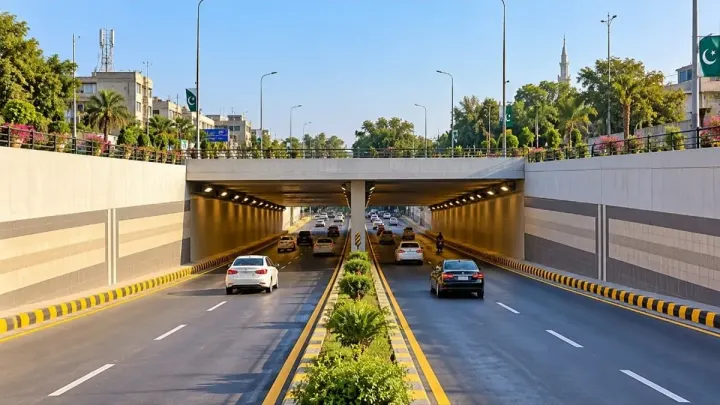
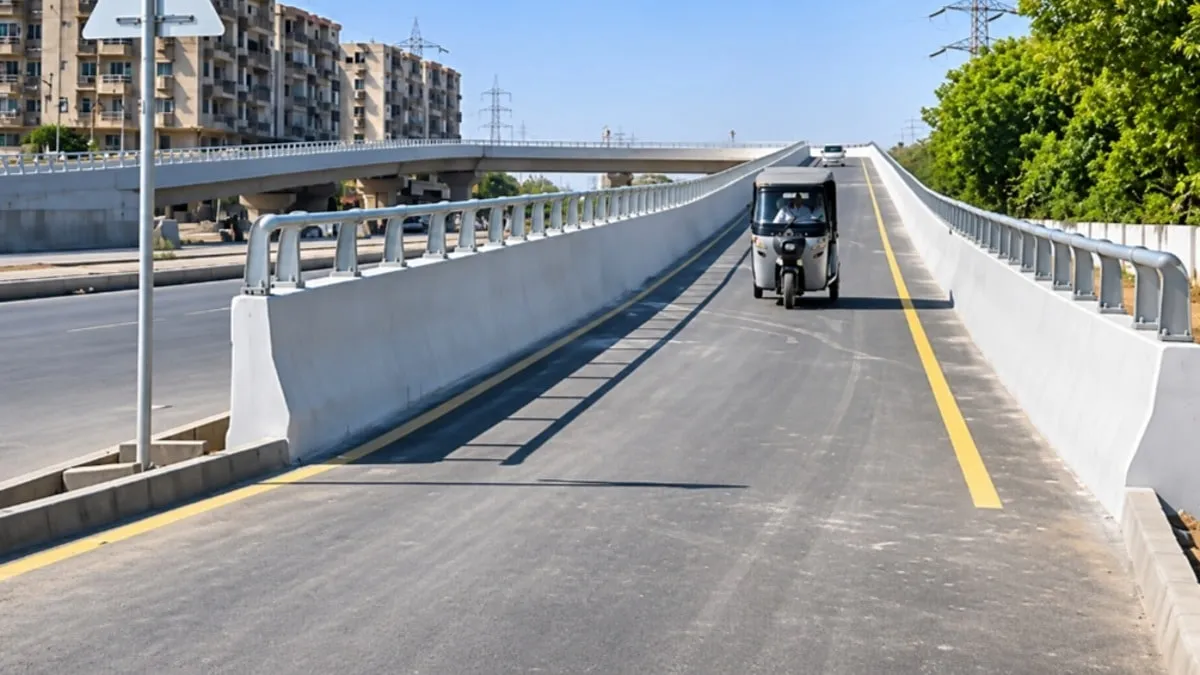
Karachi has a newly opened elevated U-turn on University Road, and authorities have established a strict speed limit for motorists using the structure. TransKarachi, along with project partners, issued an official statement detailing the operational rules and structural dimensions designed to manage traffic flow safely. Drivers using this elevated corridor must keep their speed at or below 30 km/h. This measure aims to guarantee secure movement and proper vehicle maneuvering on the newly constructed roadway.
The infrastructure project forms a key component of the wider transit developments taking place across the city. Public officials emphasize that adhering to the prescribed limit is necessary to prevent accidents and maintain order. As urban transport networks expand, such engineering additions require specific guidelines to blend new elevated paths with existing street-level congestion. Motorists traveling through this corridor must adjust their driving habits to comply with the new rules.
Technical Specifications and Dimensions of the Elevated Structure
The engineering layout of the elevated U-turn accommodates specific vehicle categories and dimensions. According to the joint statement issued by TransKarachi, the Frontier Works Organization, and PMCSC, the structure handles cars and buses measuring up to 12 meters in length. The ramps leading up to the turning point feature a clear width of 5 meters. Meanwhile, the turning sections themselves measure 6 meters wide to allow adequate room for motorists navigating the curve.
This physical layout permits specific passing configurations under normal operating conditions. The design allows one car and one motorcycle to pass side by side safely. Furthermore, engineers planned for contingencies such as vehicle breakdowns. If a car breaks down or stalls on the U-turn, another car can pass it without blocking the entire path entirely. These dimensions reflect careful planning to balance spatial constraints with the need for continuous traffic movement.
Merging Traffic and Spatial Constraints on University Road
A critical aspect of the new elevated U-turn involves how vehicles exit the structure and re-enter standard roadways. Vehicles descending from the elevated structure merge directly into the existing three-lane traffic flow on University Road. The official statement explained that limited road space did not allow for a separate merging lane. Drivers exiting the ramp must exercise caution as they integrate with drivers already moving along the surface road.
Managing traffic without a dedicated deceleration or acceleration lane presents unique challenges for city planners and daily commuters. Urban density along University Road restricts the footprint available for large civil engineering projects. Consequently, motorists descending the structure must yield and monitor adjacent traffic carefully to avoid collisions during the merge. Civil authorities continue to monitor these traffic patterns as drivers adapt to the layout.
Connection to the Karachi BRT Red Line Project
The elevated U-turn operates as an integral part of the Karachi BRT Red Line project. Bus Rapid Transit systems require specialized infrastructure to streamline public transport corridors and reduce overall congestion. The design of this specific U-turn took into account existing traffic conditions, available road space, and applicable international standards. Integrating these standards helps ensure that public transit improvements align with global benchmarks for safety and efficiency.
The Karachi BRT Red Line represents a major investment in the municipal transport network. Planners designed various structural elements, including elevated U-turns, to facilitate smooth public bus operations while accommodating mixed traffic where necessary. As the broader transit initiative progresses, components like this structure play a functional role in reshaping how vehicles move through dense urban corridors.
Safety Guidelines and Implementation for Motorists
Enforcing the 30 km/h restriction is central to the operational strategy for the elevated section. High speeds on elevated turns with restricted widths increase the risk of rollovers or collisions with barriers. TransKarachi and partnering agencies formulated these rules to protect both private vehicle operators and public transport users. Compliance with the speed restriction helps mitigate risks associated with tight turning radii and direct merging zones.
Commuters using University Road should anticipate monitoring and enforcement efforts by traffic authorities. Understanding the physical limitations of the roadway, such as the 5-meter ramps and 6-meter turning sections, helps drivers appreciate why lower speeds are mandatory. Authorities urge all road users to follow the posted guidelines to ensure a smooth transition into this new phase of Karachi transit infrastructure.