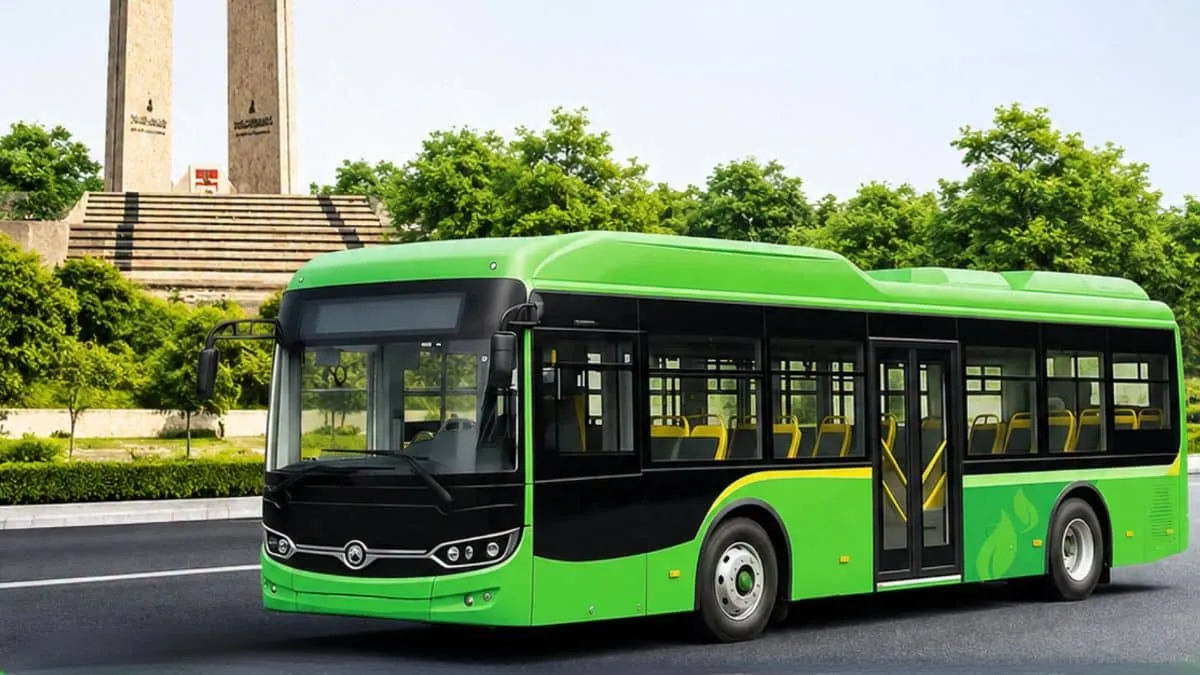
Complete Route Details for Gujranwala Electric Bus Route No. 1
The Gujranwala electric bus service Route No. 1 will connect Gondlanwala with Qila Didar Singh along a 25.7-kilometer corridor. This transit initiative aims to transform public transportation in the region by offering a clean, reliable, and organized travel option for daily commuters. Urban transit projects of this nature typically seek to reduce reliance on private motorcycles and auto-rickshaws, thereby cutting down urban air pollution and traffic congestion. The designated corridor has been planned to link major population centers with vital commercial and educational nodes.
The announced route covers key residential areas, educational institutions, and public facilities. By integrating these critical zones into a single transit network, transport planners expect to ease movement for students, workers, and families who rely on public transportation. The corridor acts as a vital artery for the city, bridging suburban neighborhoods with central municipal and educational hubs.
Official Stops Along the Gondlanwala to Qila Didar Singh Corridor
The route map lists the following bus stops:
- Gondlanwala
- Nomania Chowk
- Garjakh Chowk
- Dhullay Stop
- Ali Pur Chowk
- Nawab Chowk
- Alam Chowk 1
- Alam Chowk 2
- Best Group College
- Ladhiwala Warraich
- Municipal Corporation Office
- Allah Wali Masjid
- Qazi Kot
- Hardupur Pind
- Khatm-e-Nabuwat Chowk
- Qila Didar Singh Bus Stand
- Government Graduate College
Each designated stop has been chosen to maximize accessibility for the public. Commuters residing near major commercial intersections like Nomania Chowk and Alam Chowk will find direct access to the service. Educational institutions such as Best Group College and Government Graduate College receive dedicated connectivity, which benefits thousands of students traveling daily. Institutional stops near the Municipal Corporation Office also help citizens reach government service centers efficiently.
Operating Hours and Service Frequencies
The electric buses will operate from 6:00 AM to 10:00 PM. Passengers can expect a bus every five minutes during peak hours. Meanwhile, the interval will increase to 10 minutes during off-peak hours. These operational windows cater to early morning commuters, university students, and late evening workers alike. High frequency during rush hours prevents overcrowding at platforms and keeps passenger flow steady.
An end-to-end journey will take approximately 45 minutes. This travel duration depends on traffic conditions along the 25.7-kilometer stretch, though dedicated transit management helps maintain reliable schedules. Passengers traveling shorter distances between intermediate stops will experience even faster travel times.
Ticket Fare Structure and Commuter Information
The announced ticket fare for Gujranwala Electric Bus Route No. 1 is Rs. 20. This affordable flat rate makes public transit accessible to low and middle-income families, students, and daily wage earners. Keeping fares low encourages higher ridership, which is essential for the long-term environmental and financial sustainability of urban electric bus networks.
Passengers can check live schedules, service updates and additional route directories through the Safar Gujranwala Transit Directory or the Punjab Electric Bus App. Passengers can also dial 1762 for more information. Digital tools and helplines empower commuters to plan their journeys effectively, reducing wait times at stops and providing real-time updates regarding any service adjustments.
Background on Urban Electric Transit Development
Modernizing public transport through electric vehicles represents a major shift in provincial infrastructure planning. Over recent years, government authorities across the region have prioritized green transit initiatives to combat rising fuel costs and environmental degradation. Electric buses produce zero tailpipe emissions, making them an ideal choice for densely populated urban corridors. The introduction of Route No. 1 in Gujranwala marks a foundational step in expanding modern electric transit networks beyond major metropolitan centers into secondary cities.
The implementation of structured routes with fixed stops and digital tracking brings a new level of predictability to daily commuting. Historically, commuters in many mid-sized cities relied on informal transport networks that lacked fixed schedules or standardized fares. Formal municipal bus services provide a safer, more regulated alternative, particularly for women, students, and elderly passengers who require dependable public mobility options.
Practical Guidance for Daily Commuters
Riders using the new service should familiarize themselves with the official stop list and operating hours before planning their daily travel. Downloading the Punjab Electric Bus App or consulting the Safar Gujranwala Transit Directory ensures that commuters stay informed about bus locations and schedule adjustments. Keeping exact change for the Rs. 20 fare can also help speed up boarding times at busy stations during peak hours.
As the network expands, commuters should watch for future announcements regarding additional routes and schedule extensions. Local authorities continue to evaluate transit demand across various corridors to determine future infrastructure needs. Staying connected through official helpline numbers like 1762 provides a direct channel for resolving travel queries or reporting service feedback.





