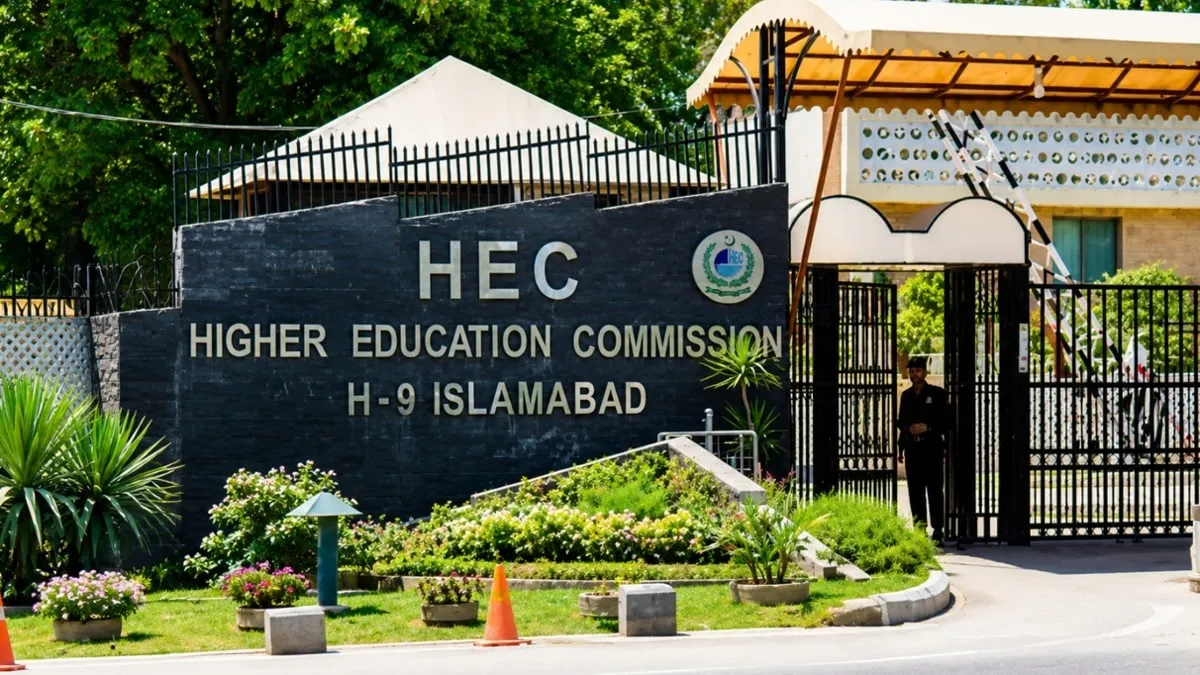
The Higher Education Commission (HEC) has formed a 22-member National Task Force to develop a ranking system for universities across Pakistan.
Why the New Ranking Framework Matters
Pakistan has long lacked a single, government-backed university ranking that can be used by students, employers, and policymakers. Existing international rankings such as QS and Times Higher Education include only a handful of Pakistani institutions and use criteria that do not fully reflect the local context. A national ranking promises to provide a consistent, transparent benchmark that can guide funding decisions, improve institutional accountability, and help prospective students choose programs that match their career goals.
Who Is Leading the Task Force
HEC appointed Dr. Ghulam Mustafa, Director of the Pakistan Institute of Engineering and Applied Sciences (PIEAS), as the task force's convenor. Dr. Mustafa brings more than two decades of experience in research management and has overseen several accreditation projects. Muhammad Ali Baig, National Coordinator for National University Rankings and Deputy Director of HEC's Higher Education Data Repository, will serve as secretary, handling data collection and verification.
Composition of the 22-Member Panel
The task force includes representatives from major public and private universities, ensuring a broad perspective. Members come from Quaid-i-Azam University, the National University of Sciences and Technology (NUST), Lahore University of Management Sciences (LUMS), Aga Khan University, the University of Karachi and the University of the Punjab. Provincial higher-education bodies from Punjab, Sindh and Khyber Pakhtunkhwa also have seats, giving the panel insight into regional variations in resources and student demographics.
What the Task Force Will Evaluate
According to an official press release, the task force will review and finalize a proposed national university ranking framework based on internationally recognized methodologies while considering Pakistan's higher education system. Specific areas of focus include:
- Key ranking indicators such as research output, teaching quality, graduate employability, industry collaboration, and community engagement.
- Weightages assigned to each indicator, designed to reflect national priorities.
- Assessment methods, ranging from bibliometric analysis to peer review surveys.
- Data requirements and the format in which institutions must submit information.
- Verification procedures to ensure data integrity and prevent manipulation.
- Scoring mechanisms that translate raw data into a single, comparable rank.
How the Ranking System Will Be Built
HEC plans to adopt a phased approach. In the first phase, the task force will draft a framework and circulate it among university leaders for feedback. The second phase involves pilot testing the framework with a sample of institutions representing different sizes, locations, and funding models. After refining the methodology based on pilot results, a full rollout is expected within the next 12 months.
Historical Context of University Rankings in Pakistan
Since the early 2000s, Pakistani universities have been evaluated primarily through accreditation by the National Accreditation Council (NAC) and periodic reviews by HEC's own Quality Assurance Cell. These mechanisms focus on compliance with minimum standards rather than comparative performance. International rankings have highlighted gaps in research citation impact and international collaboration, prompting calls for a home-grown system that can capture strengths such as community service, local industry partnerships, and teaching innovation.
Potential Impact on Stakeholders
Students will gain a clear, evidence-based tool to compare programmes across the country, potentially reducing reliance on anecdotal advice. Universities may see increased competition to improve research output, graduate outcomes, and teaching practices, which could attract higher levels of private and public funding. Employers will have a better sense of which institutions produce graduates with the skills they need, supporting more informed recruitment strategies.
Challenges the Task Force May Face
Designing a ranking that balances international best practices with local relevance is complex. Data collection can be hindered by inconsistent reporting standards across institutions. There is also a risk that rankings could exacerbate existing inequalities if resource-rich universities dominate the top slots. To mitigate these risks, the task force has pledged to incorporate weightings that reward improvements over absolute scores and to provide capacity-building workshops for smaller institutions.
What Comes Next
HEC has not announced a specific timeline for the release of the final framework, but the press release indicates that the task force will begin its review immediately. Interested parties can expect a public consultation document within the next two months, followed by a draft methodology posted on HEC's website. Stakeholders are encouraged to submit comments before the consultation deadline, which will be announced alongside the draft.
Practical Takeaways for Universities
Institutions should begin preparing by auditing their existing data on research publications, graduate employment rates, and industry partnerships. Aligning internal quality-assurance processes with the anticipated indicators will reduce the workload once the ranking system is operational. Universities may also consider forming internal committees to liaise with the task force, ensuring that their specific contexts are represented in the final framework.
Conclusion
The formation of a 22-member task force marks a decisive step toward a unified, transparent university ranking system in Pakistan. By drawing on international methodologies and tailoring them to national realities, HEC aims to foster a culture of continuous improvement across the higher-education sector. The success of the initiative will depend on robust data practices, inclusive stakeholder engagement, and a clear commitment to fairness.