Understanding Care After Death Suites and Modern Cooling Technology
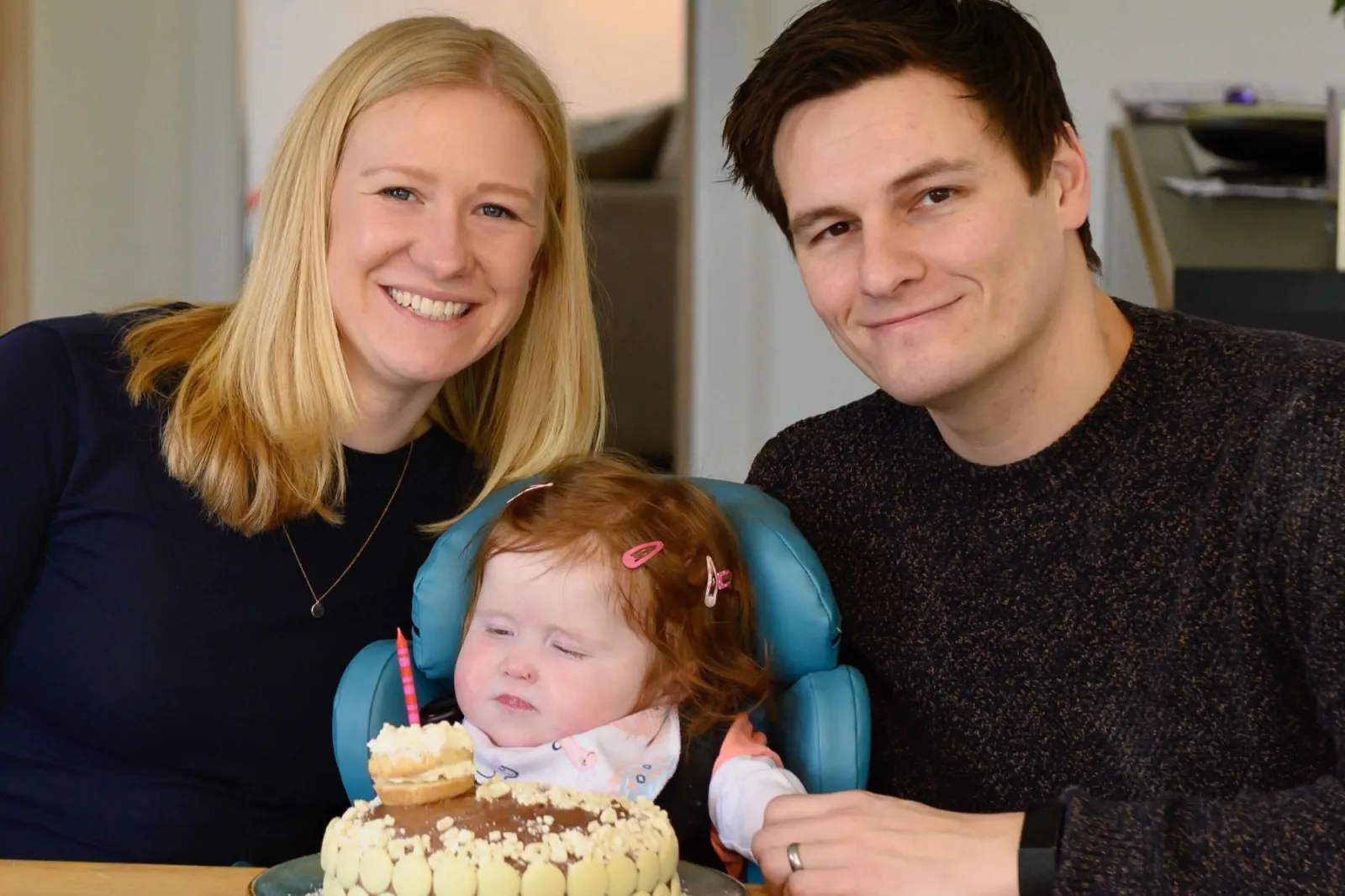
Losing a child is an unimaginable tragedy that shatters the lives of parents and families. For Esme and James Westmoreland from Otley, West Yorkshire, the unthinkable happened just three weeks past their daughter Cecelia's first birthday. After a prolonged battle with a rare genetic condition, Cecelia passed away peacefully at her grandparents' house. Thanks to modern innovations in palliative care, her parents did not have to part with her immediately. Instead, they used one of the country's specialized Care After Death suites to spend days holding, reading to, and caring for their daughter in a safe, comforting environment.
These facilities, sometimes referred to as Snowflake Suites depending on the hospice, are designed to give families up to five days to live alongside their deceased child. The rooms typically feature a cozy living space complete with a television, sofa beds, and basic catering facilities, attached to a specially cooled bedroom maintained at a fridge-like temperature. Advanced mattress cooling technology and dedicated support from trained hospice staff ensure that loved ones can make memories and process their shock without the immediate pressure of funeral arrangements. While the cold environment requires visitors to wear jumpers rather than big coats, families find profound comfort in being able to tuck their child into bed and gaze out at peaceful gardens.
The Diagnosis of 1.P36 Deletion Syndrome
Cecelia's journey began months before her birth when a 20-week scan revealed a slight abnormality in her brain. Esme and James rejected the offer to end the pregnancy and welcomed their daughter with immense joy. However, the happiness was short-lived. When Cecelia was three weeks old, she stopped breathing during a nappy change, prompting James to administer CPR. Hospitalization followed for three weeks with the infant on oxygen, leading eventually to a formal diagnosis at six weeks old.
Medical professionals identified that Cecelia had 1.P36 deletion syndrome, a severe disorder caused by a missing small piece of chromosome one. This condition profoundly impacted her brain, heart, and other organs, resulting in up to 100 seizures a day and a regimen of 24 pills daily. At six months old, doctors gave her less than five years to live. The family was subsequently introduced to Martin House Children's Hospice near Leeds, an institution that offered them vital respite. Staff took over the exhausting medical routine, allowing Esme and James to simply be parents rather than full-time medical caregivers.
Overcoming the Stigma of Children's Hospices
Despite the immense relief provided by Martin House, Esme admits she was initially very reluctant to ask for assistance. This hesitation reflects a broader societal issue highlighted by medical professionals. Dr Michelle Hills, Chief Medical Officer at Martin House Children's Hospice, explains that thousands of grieving families miss out on critical support because of a persistent stigma surrounding children's hospices and end-of-life care. Many people mistakenly believe that hospices only deal with the final moments, rather than helping families navigate chronic illness and live as fully as possible for years.
Dr Hills has dedicated her 25-year career to changing these perceptions. In her book, The Wrong Order of Things, she shares inspiring lessons from families she has cared for, urging struggling parents to reach out. Palliative care teams often facilitate quiet goodbyes without the clinical intrusion of medical lines and machines. In some instances, support extends to bringing in younger siblings and even the family pet so that everyone can understand the situation and participate in a final farewell.
Finding Comfort and Making Memories After Loss
When Cecelia's condition rapidly declined and she passed away on Sunday, February 23, 2020, her parents turned to the hospice's Snowflake Suite. They spent just over two days in the room, finding that timeframe right for their emotional needs. Esme notes that the compassionate staff assisted them through difficult administrative decisions, allowing the family to associate those choices with the warm environment of the hospice rather than the trauma of their own home.
Today, Esme and James actively support campaigns to encourage open conversations about grief, death, and palliative care. They regularly talk about Cecelia with their other children, Albert, five, and Audrey, three, ensuring that the whole family acknowledges her presence in their lives. By sharing their story, these parents hope to remove the taboo surrounding child loss and inform others that specialized cooling suites and compassionate hospice care remain available during life's darkest moments.