Lahore Fort Historic Akbari Gate Restored After Decades of Closure
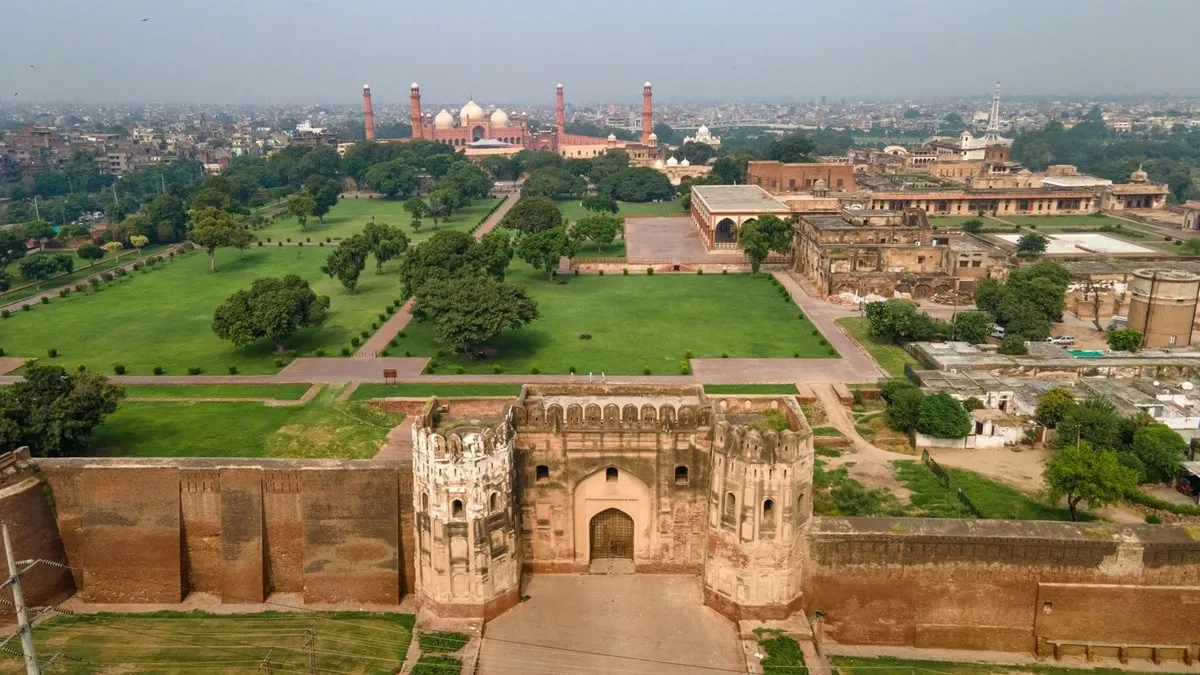
Lahore Fort's historic Akbari Gate has been restored after remaining closed since British rule, paving the way for the entrance to reconnect the Walled City with the fort. Authorities plan to install a ticketing booth to make the restored gate operational for visitors and residents of the Walled City. The reopening of this ancient portal marks a major milestone in urban heritage conservation, bridging the gap between historical monuments and the bustling contemporary urban environment surrounding them.
A soft launch ceremony was held to mark the restoration of Akbari Gate and the Curator's House, another historic structure at Lahore Fort. This gathering brought together cultural heritage experts, government officials, and project stakeholders to celebrate the successful completion of the meticulous repair work. Attendees viewed the restored architectural features, which highlight the intricate craftsmanship of the Mughal era and subsequent structural adaptations from later historical periods.
Details of the Heritage and Urban Regeneration Project
The restoration was carried out under the Heritage and Urban Regeneration: Tourism Development in Lahore Fort and its Buffer Zone project, known as HURL. This comprehensive initiative was launched in 2022 with support from Agence Française de Développement, abbreviated as AFD. The foreign financial backing enabled specialized conservationists to address decades of structural neglect and environmental wear on the fort's ancient masonry and timber elements.
The project is being implemented jointly by the Punjab Walled Cities and Heritage Areas Authority, referred to as PWCA, and Aga Khan Cultural Service Pakistan, known as AKCS-P. These organizations deployed teams of architects, historians, and skilled artisans who used traditional building materials and authentic techniques to stabilize the historic fabrics of both Akbari Gate and the nearby Curator's House without altering their original character.
Economic and Tourism Impact of the Akbari Gate Restoration
PWCA Director General Najmus Saqib said the restoration would improve public access to historic sites, attract tourists, and create economic opportunities. By opening a direct pathway between the Walled City and the fort, officials expect a significant increase in foot traffic from daily visitors and international travelers alike. Local businesses, vendors, and hospitality providers operating in the surrounding neighborhoods stand to benefit directly from the renewed influx of sightseers.
AKCS-P CEO Tausif Khawaja said the conservation work aimed to preserve Lahore's cultural heritage while supporting local communities and economic activity. The integration of restored monuments into functional public spaces ensures that historical sites contribute actively to the modern economy. Planners designed the project to harmonize cultural preservation with sustainable urban development principles, benefiting both heritage conservation goals and regional livelihood generation.
Transformation of the Historic Curator House
He added that the Curator's House, a British-era building previously used as a guard room and later for administrative and residential purposes, would be converted into an eatery for visitors. This adaptive reuse strategy breathes new life into a previously restricted government building, transforming it into a welcoming amenity for tourists exploring the sprawling fort grounds. Visitors will soon be able to purchase refreshments within an authentic architectural setting that reflects the complex layers of Lahore's administrative history.
The Curator's House structure dates back to the period of British colonial administration, during which the British military and civil authorities altered parts of the Mughal-era fort complex to suit their operational needs. By repurposing the former guard room into a modern dining space, project administrators are giving public utility back to a building that had long been closed to ordinary citizens. This approach reflects modern conservation standards that favor active public engagement over passive preservation.
Background on Lahore Fort and Walled City Conservation
Lahore Fort is a sprawling citadel spanning hectares of land at the northern edge of the Walled City of Lahore, featuring monumental structures dating primarily to the Mughal emperors Akbar and Shah Jahan. Over the centuries, the fort suffered from various phases of military conflict, administrative neglect, and inappropriate modern alterations that obscured its original grandeur. Comprehensive conservation efforts began in earnest during the late twentieth century, leading to the eventual inscription of the fort and the nearby Shalimar Gardens on the list of UNESCO World Heritage Sites in danger, and later their removal through sustained restoration work.
The establishment of specialized urban heritage agencies in Punjab marked a turning point in the management of historical assets in Pakistan. Rather than treating monuments as isolated museum pieces, modern preservation strategies focus on regenerating the surrounding buffer zones, upgrading basic urban infrastructure, and involving local residents in heritage tourism economies. The HURL project represents the continuation of these long-term efforts, bringing international funding and technical expertise together to tackle the complex challenges of urban conservation in a densely populated historic metropolis.
Next Steps for Operationalizing Akbari Gate
With the physical restoration work complete and celebrated through the soft launch ceremony, authorities are turning their attention to the administrative and logistical requirements needed to open Akbari Gate to the general public. The immediate next step involves the installation of a dedicated ticketing booth near the gate structure to manage visitor entry and collect standard admission fees for the fort complex. Officials must also finalize security protocols, staff deployment, and visitor management plans to ensure the safety of both the tourists and the fragile historic fabric of the newly accessible entranceway.
Residents of the Walled City and heritage enthusiasts will soon be able to use the gateway to traverse directly between the historic neighborhoods and the interior courtyards of the fort for the first time in generations. As project implementers finalize these remaining operational details, public interest in the site continues to grow. Observers and local stakeholders will be watching closely to see how the increased visitor numbers affect traffic patterns and commercial activity in the immediate vicinity of Akbari Gate.