How High Fuel Prices Are Impacting Businesses in Pakistan
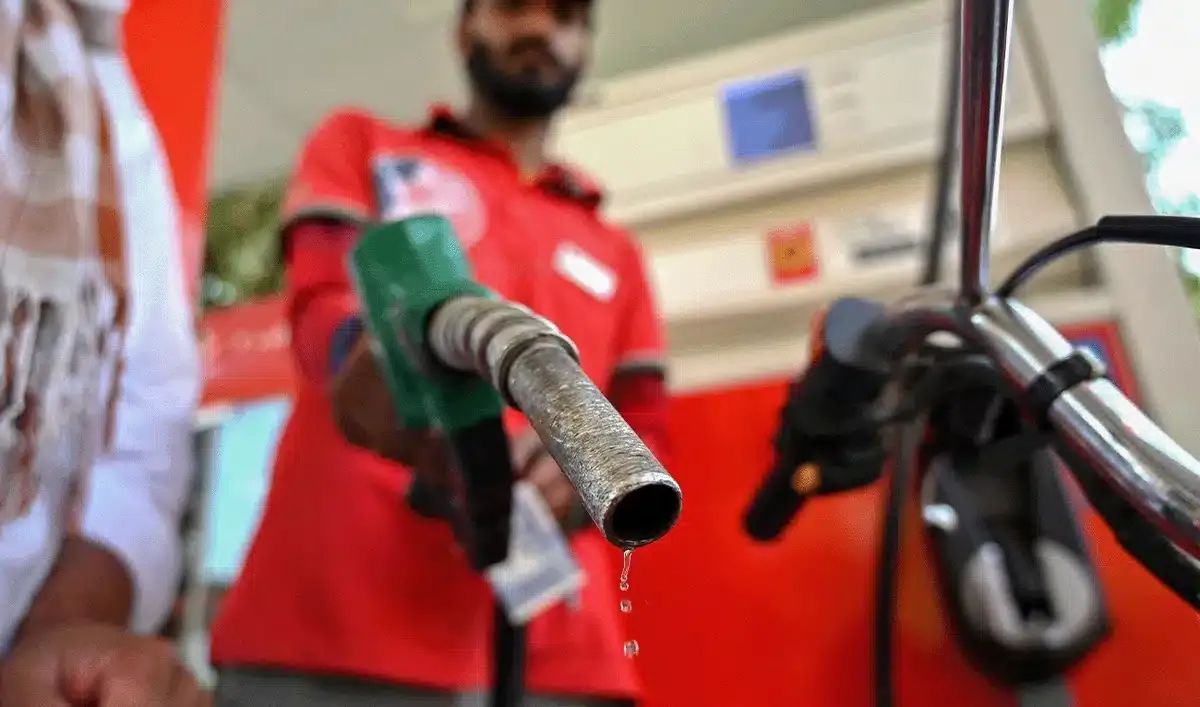
More than 90 percent of businesses in Pakistan say recent fuel price adjustments have negatively affected their operations, with higher transportation costs emerging as the biggest challenge, according to the latest Business Confidence Survey by the Overseas Investors Chamber of Commerce and Industry (OICCI).
The survey, conducted during September and October 2026, found that higher transportation costs affected between 80 and 88 percent of businesses across different sectors. Companies also reported rising operating expenses, weaker consumer demand, lower profitability, and disruptions to their supply chains.
The implications of these fuel price adjustments extend far beyond the petrol pump. Businesses must factor these logistical hurdles into their daily budgeting, which often leads to higher prices for consumers and squeezed profit margins for producers and retailers alike.
Details of the OICCI Business Confidence Survey
The OICCI survey covers businesses representing nearly 80 percent of Pakistan's GDP, with respondents from manufacturing, services, and retail and wholesale sectors. It was conducted across major cities, including Karachi, Lahore, Islamabad, and Faisalabad, as well as several non-metropolitan markets.
Because the survey encompasses such a massive share of the national economy, its findings serve as an accurate barometer of commercial health in the country. The broad geographic spread ensures that both metropolitan hubs and smaller regional markets are adequately represented in the data.
Researchers collected responses over a two-month period, capturing the immediate economic realities faced by corporate entities, small and medium enterprises, and large industrial players. The findings provide a detailed look at how macroeconomic shifts translate into everyday corporate struggles.
Multiple Economic Pressures Facing Pakistani Companies
The impact of fuel price increases comes at a time when businesses are already facing high inflation, taxation, and energy costs. In the same survey, 84 percent of respondents identified rising inflation as a threat to business growth, while 81 percent cited high taxation. Load shedding was another major concern, reported by 58 percent of respondents.
This accumulation of financial burdens creates a difficult operating environment. When companies face steep electricity tariffs, unreliable power supply, and heavy tax liabilities simultaneously, absorbing higher fuel expenses becomes exceptionally difficult.
Supply chain networks feel the strain as transport operators pass on their increased fuel expenditures to client firms. Every stage of production, from sourcing raw materials to delivering finished goods to store shelves, becomes more expensive.
Understanding the Drop in Business Confidence
The survey also found that business confidence had fallen sharply across Pakistan. Overall confidence dropped 36 percentage points, from positive 13 percent in the previous survey to negative 23 percent in the latest wave.
This dramatic shift indicates widespread pessimism among commercial leaders regarding near-term economic stability. When confidence falls to negative levels, firms typically delay expansion plans, freeze hiring, and adopt defensive financial strategies.
The decline in sentiment reflects real anxieties about future market conditions. Business owners must navigate unpredictable cost structures while consumer purchasing power weakens under the weight of broader economic pressures.
Broader Economic Fallout Across Sectors
The findings suggest that fuel price adjustments are affecting businesses beyond their direct spending on petrol and diesel. Higher transportation expenses can increase the cost of moving raw materials and finished products, while companies also face pressure on their operating costs and profitability.
Manufacturing firms report rising input costs that are difficult to pass on entirely to buyers without hurting sales volume. Retail and wholesale enterprises deal with sluggish consumer demand as households tighten their spending budgets.
Service sector organizations also experience indirect fallout through higher commuting and operational overheads. The interconnected nature of modern commerce means that transport price shocks ripple through every corner of the market.