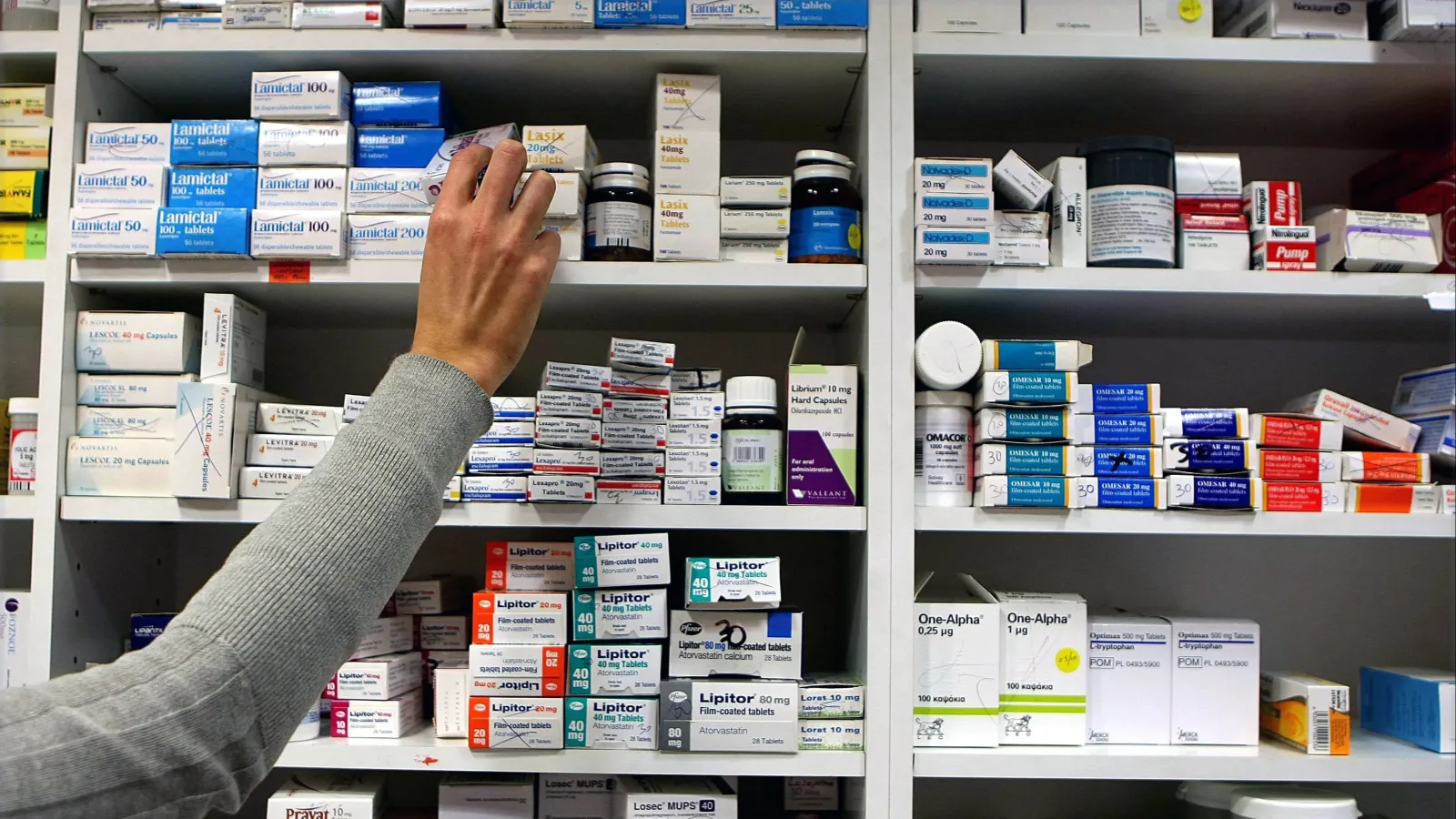
Health authorities have issued an urgent recall for a widely used blood pressure medication following the discovery of a dangerous packaging error. Accord-UK Ltd recalled a specific batch of Lercanidipine Hydrochloride 10mg tablets after regulators received a complaint about incorrect tablet strengths inside the packaging. Millions of people across the United Kingdom rely on similar treatments to manage hypertension, making supply chain accuracy vital for public safety. Patients who take this medication are now being advised to inspect their prescription blister packs carefully to ensure they have the correct dosage.
The Medicines and Healthcare products Regulatory Agency received a specific complaint prompting the intervention. Investigation revealed that a box containing the medication held one strip of the correct 10mg tablets alongside one strip of 20mg tablets. This human or mechanical error during the packaging process means patients could inadvertently ingest double their intended daily dose over a multi-week course of treatment. Regulators and pharmaceutical companies work under strict guidelines to prevent such occurrences, but occasional defects still trigger mandatory market withdrawals.
Understanding the Lercanidipine Hydrochloride Recall in the UK
The pharmaceutical company Accord-UK Ltd initiated the recall for batch number M2510877 of Lercanidipine Hydrochloride 10mg tablets. Hundreds of thousands of residents use this medication every year to keep their hypertension under control. The drug belongs to a class of medications known as calcium channel blockers. By relaxing and widening blood vessels, it lowers resistance and makes it easier for the heart to pump blood throughout the body. When patients fail to receive the precise dose prescribed by their physician, the therapeutic balance of their treatment plan becomes disrupted.
The Medicines and Healthcare products Regulatory Agency acts as the executive agency of the Department of Health and Social Care in the UK, responsible for ensuring that medicines and medical devices work and are safely acceptable. When a defect is reported, the agency evaluates the risk level to determine the appropriate scope of a recall. In this case, the recall is currently being conducted on a pharmacy and wholesaler level. This means distribution hubs and retail pharmacies must pull the affected stock from their shelves immediately, while patients who already possess the medication are instructed to check their supplies at home.
What Are the Health Risks of Taking Incorrect Lercanidipine Strengths?
Patients prescribed a 10mg daily dose who accidentally ingest 20mg daily for two weeks face specific physiological consequences. Medical experts warn that the anticipated risk of this mix-up is an exaggerated pharmacological effect. Because the higher dose reduces blood pressure more than intended, individuals may experience a range of uncomfortable symptoms. These clinical signs include dizziness, headaches, flushing, palpitations, or symptomatic hypotension.
Despite these potential side effects, health authorities note that the overall risk to patients remains relatively low for several reasons. The 20mg strength still falls within the broader authorised dosage range for the active ingredient. Additionally, the individual tablets feature distinct visual color characteristics, and the probability of encountering the defect across the entire supply chain is expected to be very low. Even so, anyone experiencing adverse reactions must take the situation seriously and consult a medical professional promptly.
How Patients Can Check Their Medication Batches
Individuals who take Lercanidipine Hydrochloride 10mg from Accord must examine their medicine packaging immediately. Specifically, they need to verify the batch number printed on the outer carton matches M2510877. If the carton matches this batch, patients must open the box and carefully inspect the individual blister strips inside. Consumers must look closely at the foil backing or labeling on the strips to confirm the printed strength of the pills.
If the cartons contain blister strips clearly labeled as Lercanidipine Hydrochloride 10mg, no further action is required, and patients can continue their treatment normally. However, if any blister strips inside the box are labeled as 20mg, patients must stop taking the medicine immediately and contact their local pharmacy for guidance. Users should also seek immediate medical advice if they experience side effects such as dizziness, headaches, flushing, or heart palpitations. Any suspected adverse reactions can also be reported directly through the MHRA Yellow Card scheme, an invaluable tool for tracking drug safety concerns.
Broader Context of Blood Pressure Management in the UK
Research from the British Heart Foundation shows that as many as five million Brits could be living with undiagnosed high blood pressure. High blood pressure is one of the leading causes of death, despite being both largely preventable and treatable. The NHS estimates that over the next five years, routine blood pressure checks at local pharmacies could prevent over 5,000 heart attacks, over 8,000 strokes, and save over 4,000 lives. However, engagement with preventative services remains low. Just 30 per cent of men and women attended a routine medical check at least once last year, with over one in three saying they haven't had their reading checked in the last 12 months.
When blood pressure is too high, it puts extra strain on arteries and the heart, which may lead to heart attacks and strokes. Other problems related to high blood pressure are heart disease, kidney disease, vascular dementia, peripheral artery disease, and erectile dysfunction. For the most part, the lower your blood pressure the better. However, low blood pressure can also lead to worrying symptoms, including dizziness, nausea, fainting, and dehydration. Ensuring patients receive their exact prescribed dose of medication like Lercanidipine remains a cornerstone of managing these chronic cardiovascular risks safely.