Mauricio Pochettino Takes Charge at Manchester United Amid Defensive Crisis
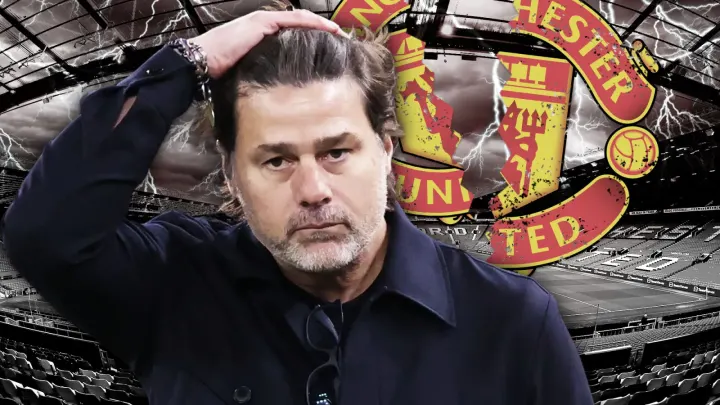
Manchester United were hammered 4-0 at Liverpool in Mauricio Pochettino's first game, but perhaps the man who should be more worried than anyone is Jason Wilcox. The heavy defeat highlighted deep-rooted issues at the club, putting management structures and tactical philosophies under intense scrutiny.
Wilcox has been a controversial figure since joining United as Technical Director in April 2024, before becoming Director of Football just over a year later. His tenure has seen considerable internal friction regarding how the team should play on the pitch, particularly concerning the defensive structure.
The Clash Between Jason Wilcox and Ruben Amorim Over Formations
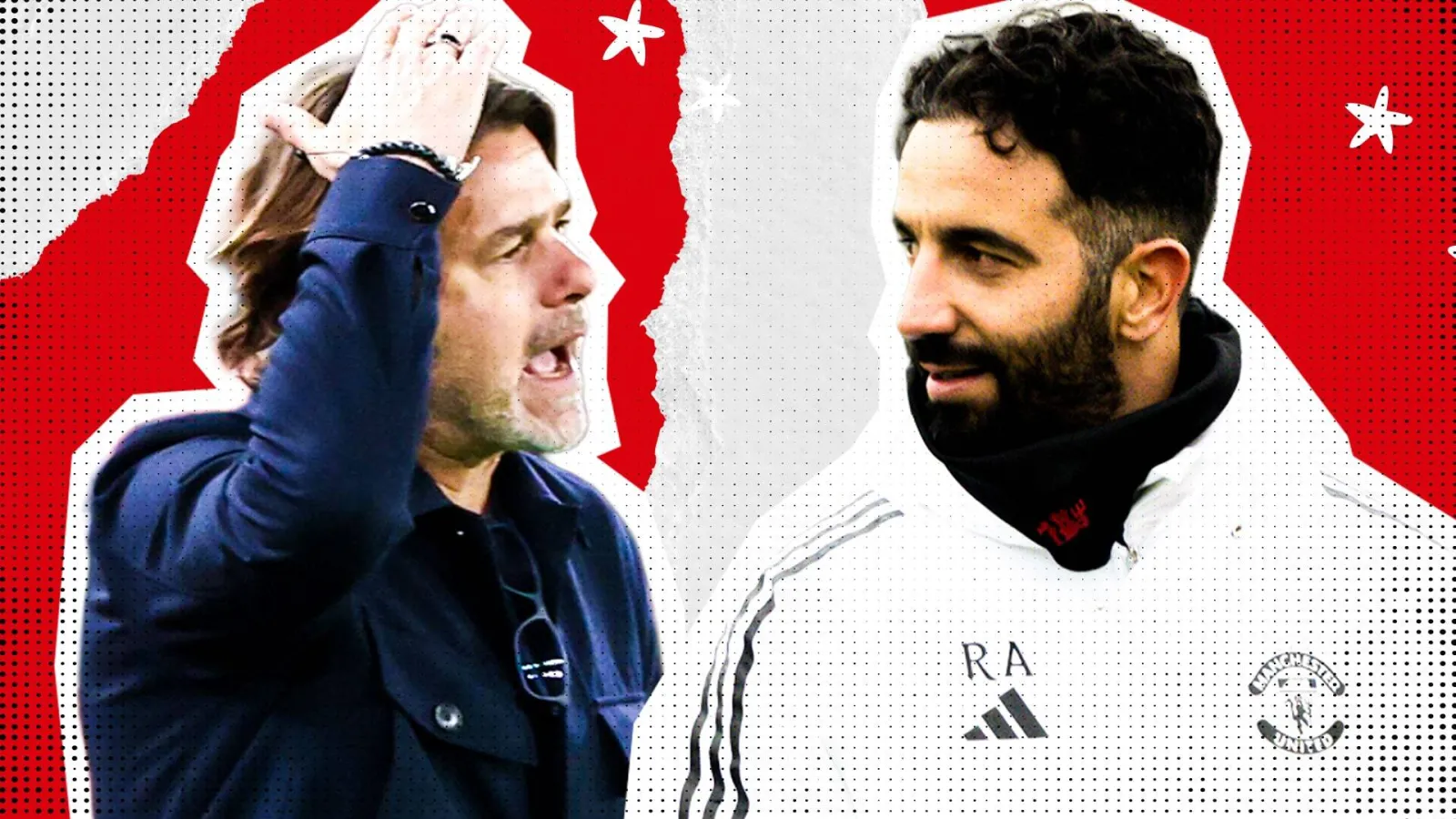
During his time in charge, Wilcox fell out with former head coach Ruben Amorim by demanding a back four while the Portuguese wanted to persist with his favoured back five. This philosophical divide created an untenable working environment behind the scenes at Old Trafford.
In January, following a 1-1 draw away to Leeds Amorim said, I just want to say that I came here to be the manager of Manchester United, not to be the coach. And every department, the scouting department, the sports director, needs to do their job. I will do mine for 18 months and then we move on. Those comments were a direct dig at Wilcox, who around that time reportedly instructed Amorim to change his formation. Following Amorim's sacking the day after the draw against Leeds, a back five became almost unthinkable at Old Trafford during Michael Carrick's time in charge.
Tactical Shifts and the Return of the Back Three
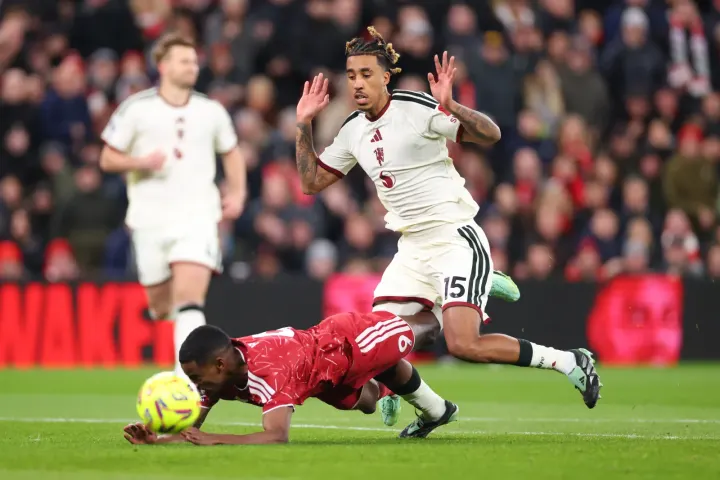
Yesterday, Pochettino showed signs of wanting to return to the formation at Anfield, and will undoubtedly demand more power over decisions surrounding the playing squad, team selection and formation. Leny Yoro's eighth minute red card at Anfield for a last man challenge on Alexander Isak was followed up with Dominik Szoboszlai scoring a free-kick from the edge of the box, marking the worst possible start to his reign as United boss. Florian Wirtz doubled Liverpool's lead on 13 minutes, which prompted Pochettino into an early tactical change, substituting Bryan Mbeumo for Harry Maguire, who slotted into the middle of a back three, the position he played under Amorim. United looked more solid defensively with an extra man in the backline, but in the second half Liverpool re-asserted their dominance and scored two more goals thanks to Rio Ngumoha and Victor Munoz.
It means that the Red Devils have conceded 34 goals in all competitions, representing the most in Europe's top five leagues so far this season. Pochettino now knows that the first thing he has to fix is a leaky defence if his side are to climb the table. The most logical way to do that seems to be putting an extra man back there, something Amorim did when he took over two years ago, and indeed something Pochettino has done before.
Lessons from Pochettino's Tottenham Hotspur Era
In the 2016/17 campaign, the Argentine enjoyed his best season in England while in charge at Tottenham Hotspur, finishing in second place with 86 points behind Chelsea on 93. That year, he switched between a 4-2-3-1 system that Carrick played with and Pochettino started with yesterday, and a 3-4-2-1 system that Amorim used. It was the latter that appeared to bring the best out in Spurs. With a back three, Pochettino's side won ten of the 12 matches they started with that system and remained unbeaten. They averaged 2.83 goals and 2.66 points per game, compared with 2.00 goals and 2.08 points using a four-man defence, while also conceding slightly fewer goals at 0.66 per game compared with 0.69.
That could well be food for thought at United, who need to strengthen their defence and fast. If Pochettino were to follow a similar blueprint to the one he used at Spurs, and indeed one previously deployed by Amorim at United, a back three of Matthijs de Ligt, Harry Maguire and Lisandro Martinez could offer a similar structure to the one he had in north London with Eric Dier, Toby Alderweireld and Jan Vertonghen.
Potential Lineup Changes and Midfield Dynamics
That tactical adjustment could see Diogo Dalot return to the familiar left wing-back role he occupied under Amorim, with either Patrick Dorgu or Amad Diallo on the opposite flank. Both would be given greater freedom to push forward, much like Kyle Walker and Danny Rose enjoyed at Spurs. Kobbie Mainoo is the man who everything would go through, and he would serve as the equivalent of the uniquely talented Mousa Dembele from when Pochettino was at Spurs. When it's been in force, United's best midfield partnership so far this season has been Mainoo and Carlos Baleba, who is currently injured but due to return soon. Baleba's energy, physicality and ability to win the ball make him a similar profile to Victor Wanyama, who Pochettino managed at Spurs. Both African midfielders bring power, energy, defensive nous and expert ball-winning abilities to the centre of the pitch.
However, Mainoo's inclusion maybe called into question again as there was no place for him in Amorim's 3-4-2-1 system. Instead, the Portuguese boss opted to play Fernandes alongside Casemiro, using Mbeumo, Matheus Cunha and Mason Mount as a fluid front three. A return to that could be on the cards, or if Mainoo was to play, then Fernandes and Cunha would become the equivalent of Christian Eriksen and Dele Alli from 2016/17.
Alternative Tactical Options for Manchester United
The switch to a 4-2-3-1 saw Dier drop out, with the team then going to a back four where Eriksen would play to the right, Alli behind Harry Kane, and Son Heung-min on the left. On his return, Marcus Rashford could fill the Son role in Pochettino's attack, with Benjamin Sesko, who is also injured at the moment, leading the line in a Kane-style role. Pochettino's alternative would then be to switch to a four at the back if it's not working, reverting to the same line-up he started the game at Anfield with yesterday.