Punjab Beggar Free Campaign Drives 423 Percent Increase in Begging FIRs
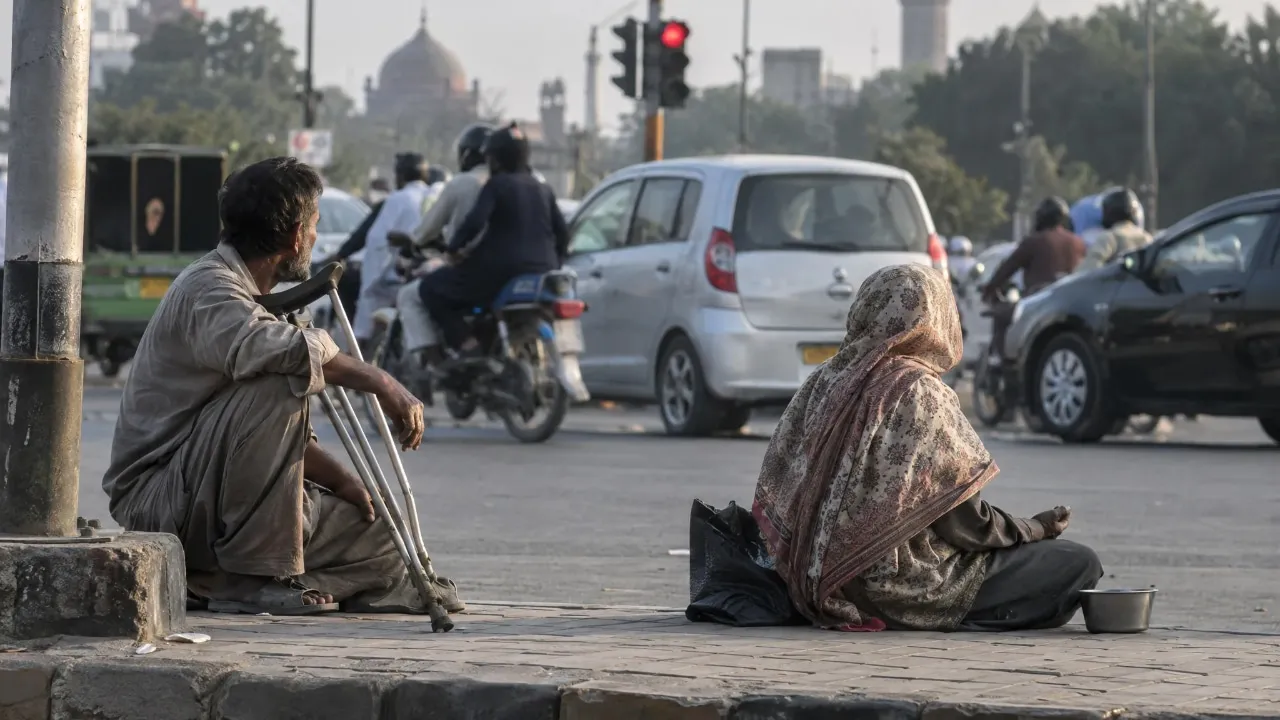
Punjab traffic police have sharply intensified their crackdown on beggars, including those faking disability to beg, as the Beggar Free Punjab campaign ramps up operations at roads, intersections, and traffic signals.
The aggressive enforcement strategy deployed by provincial authorities marks a distinct shift in how law enforcement handles urban panhandling. By targeting high-traffic zones such as major intersections and traffic signals, the police aim to disrupt the daily routines of individuals who populate these areas. The campaign relies on strict legal measures to deter both casual panhandlers and organized networks.
Understanding the Jump in FIRs and Police Enforcement
According to traffic police, 1,585 cases were registered against beggars over the past three months, marking a staggering 423% increase in FIRs filed against begging compared to the previous period.
This massive surge in documented police cases reflects a deliberate directive to officers stationed at busy junctions. Rather than simply moving panhandlers along, law enforcement personnel are booking offenders under relevant legal provisions. The accumulation of nearly sixteen hundred First Information Reports in just twelve weeks demonstrates a zero-tolerance approach by regional authorities.
Impact of the Crackdown on Street Begging Statistics
Authorities credit the crackdown for a 23.9% drop in begging activity across the province.
While the number of police cases has multiplied, the overall presence of panhandlers on public thoroughfares has shrunk significantly. This inverse relationship indicates that the threat of arrest and formal legal proceedings is altering behavior patterns among those who traditionally rely on roadside solicitation.
Demographic Breakdown of the Decline in Beggars
The decline is visible across every category:
- Women beggars: down 28.1%
- Men beggars: down 41%
- Child beggars: down 21.8%
- Transgender beggars: down 46%
The broad-based reduction across diverse demographic groups suggests that the enforcement sweep reaches across different segments of the street population. The steepest drop appears among transgender beggars at 46%, followed closely by men beggars at 41%. Women and child beggars also saw double-digit reductions, pointing to a widespread contraction of street-level solicitation throughout the region.
Targeting Fake Disability and Professional Begging Networks
Traffic police say the operation to clear roads, intersections and signals of begging remains ongoing, with action under the Beggar-Free Punjab campaign being further accelerated.
The drive specifically targets those using disability as a cover, a growing concern for authorities who say professional begging networks exploit both the public's sympathy and the physically disabled.
Investigators point out that syndicates often choreograph street operations, deploying individuals with simulated medical conditions to maximize monetary returns from drivers waiting at signals. By focusing on these deceptive practices, the police hope to dismantle the underlying structures that profit from public charity.