Understanding the Khyber Pakhtunkhwa Anti-Smog Action Plan
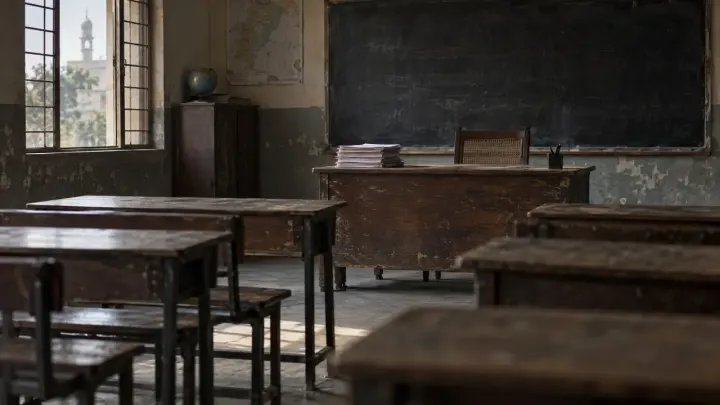
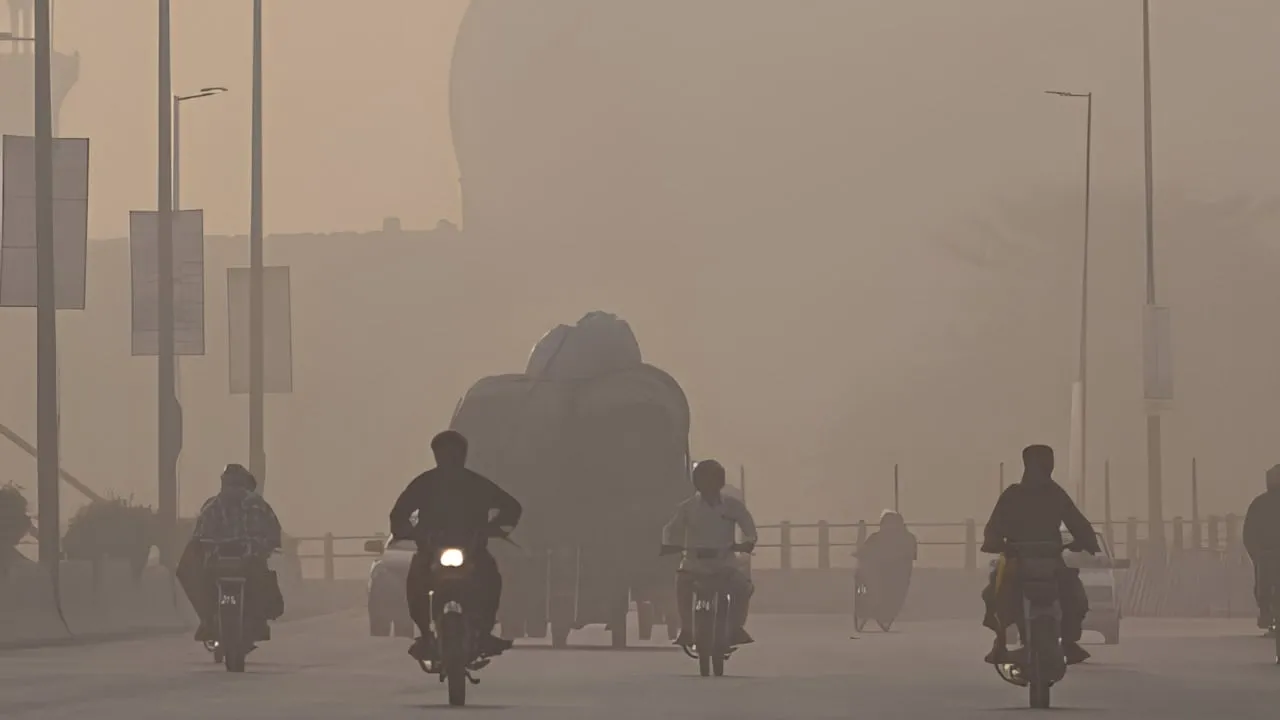
The Khyber Pakhtunkhwa government has proposed changing school timings and closing educational institutions if smog intensifies, as part of a comprehensive action plan to control air pollution across the province. Air quality degradation has become a pressing concern for public health, prompting regional authorities to formulate a multi-sectoral strategy. The newly drafted official document outlines strict administrative measures to curb pollutant levels before they reach hazardous thresholds.
Urban centers and rural districts alike face rising environmental pressures from industrial output, vehicular emissions, and seasonal agricultural practices. By establishing formal oversight mechanisms, the provincial administration aims to coordinate a swift response to deteriorating air conditions. Officials hope that early intervention will protect vulnerable populations, particularly children and the elderly, from respiratory ailments linked to heavy particulate matter.
Institutional Oversight and Coordination Committees
According to the official document, the plan recommends setting up a provincial coordination committee to deal with smog. It also provides for activating special control committees at the district level. These bodies will serve as the primary command centers for monitoring environmental indicators and executing policy directives.
Authorities have been directed to monitor the Air Quality Index daily and issue advance warnings to the public. The document orders an immediate halt to outdoor activities for children on smog days. District administrations must maintain direct communication channels with meteorological departments to track pollutant concentrations in real time.
Healthcare Preparations for Smog-Affected Patients
Public health infrastructure forms a critical pillar of the provincial strategy. All hospitals have been instructed to remain on high alert and to ensure that essential medicines and oxygen are available at all times for smog-affected patients. Medical facilities are expected to establish dedicated wards or triage areas to handle surges in respiratory emergencies.
Emergency departments will track admissions related to asthma, bronchitis, and cardiovascular complications triggered by poor air quality. Provincial health officers will audit medical inventories regularly to prevent shortages of life-saving supplies during peak pollution periods. Public service announcements will guide citizens on where to seek medical help if they experience severe symptoms.
Industrial Regulation and Brick Kiln Crackdown
Industrial emissions contribute significantly to regional air pollution. The plan states that action will be taken without discrimination against factories that spread smog and brick kilns that emit smoke. Industrial units have been ordered to strictly comply with prescribed emission standards.
Environmental protection inspectors will conduct surprise audits of manufacturing plants to verify the installation and operation of pollution control equipment. Facilities failing to meet legal standards face immediate suspension of operations. The government expects factory owners to adopt cleaner production technologies to reduce sulfur dioxide and carbon particulate output.
Vehicular Emissions and Transport Enforcement
Transportation networks are another major source of airborne pollutants in urban areas. The government has also decided to launch a crackdown on smoke-emitting vehicles, with heavy fines and impoundment of offending vehicles.
The police, traffic police and district administrations have been assigned joint operations for this purpose, while all deputy commissioners have been directed to submit progress reports on the action taken. Checkpoints will be set up across major thoroughfares to test exhaust pipes and penalize drivers of poorly maintained cars, trucks, and rickshaws.
Agricultural Burning and Construction Dust Control
Seasonal farming practices and urban development projects also exacerbate air quality issues. The document proposes imposing Section 144 to ban the burning of garbage and crop residue during smog. It also directs legal action against farmers who burn crop residue.
In addition, special measures have been ordered to control dust at construction sites. Authorities have been told to speed up water sprinkling and cleaning on main roads. Contractors must cover loose building materials and suppress dust generation to prevent particulate matter from entering the lower atmosphere.