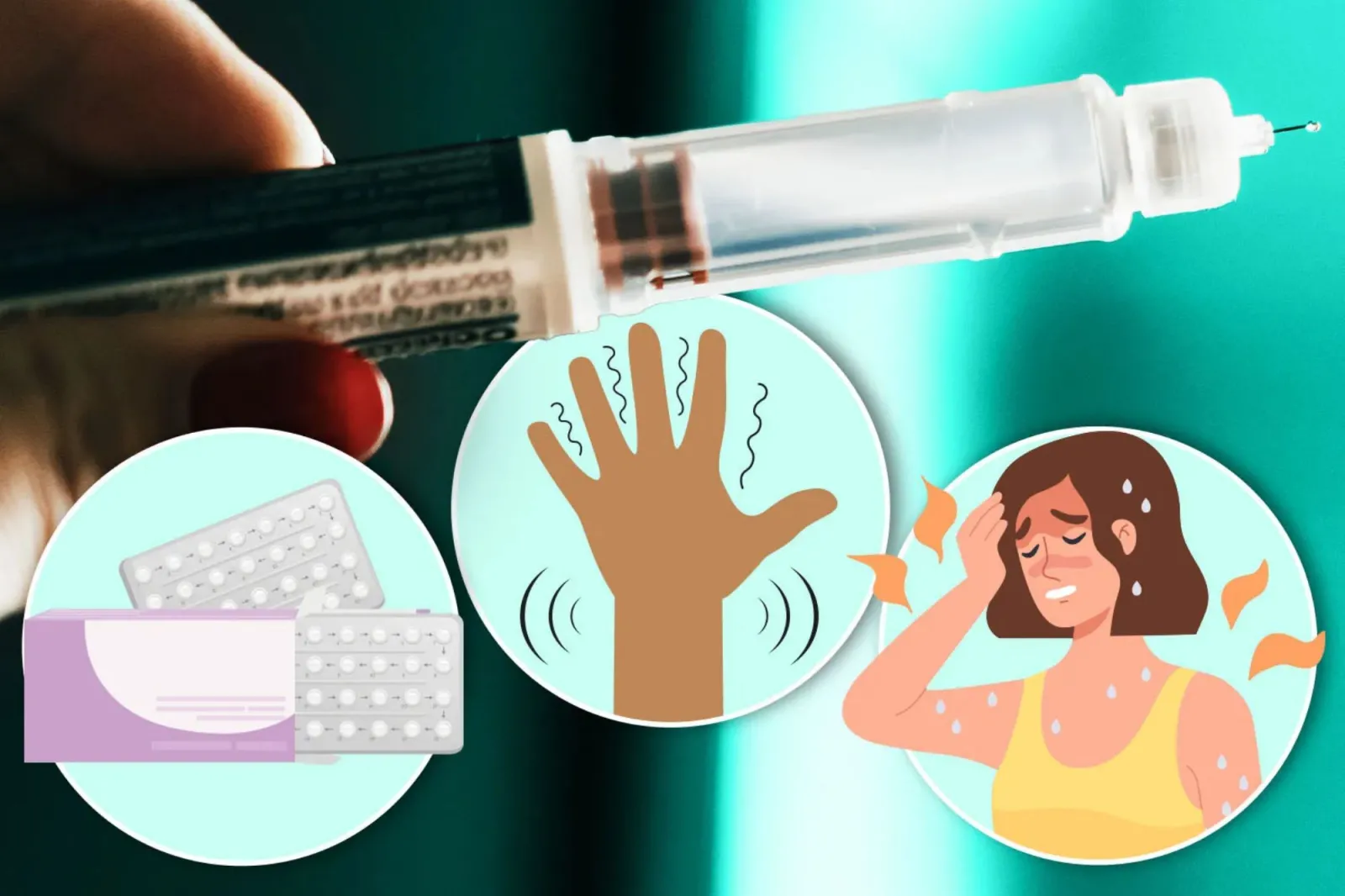
Weight loss injections have surged in popularity across the United Kingdom, transforming the way individuals approach weight management. From helping Brits shed excess pounds to potentially supporting heart health, the reported benefits of these treatments appear vast. However, medical professionals are uncovering significant downsides associated with their usage. While some patients experience unpleasant side effects or regain weight after stopping the injections, new scientific findings point to a more alarming issue. Early research indicates that weight loss jabs could interfere with other medications, potentially stopping them from working properly.
UK health regulators issued warnings to slimmers last year, noting that medications such as Mounjaro could make the contraceptive pill less effective. This interaction is not limited to birth control alone, as a range of pharmaceutical drugs may be weakened by these popular treatments. Medical researchers are currently investigating the exact mechanisms behind these interactions, pointing toward the core way that GLP-1 receptor agonists function within the human body. Medications like Wegovy and Mounjaro are engineered to mimic a natural hormone that signals fullness to the brain, which dulls the appetite, causes users to eat less, and triggers weight loss.
How GLP-1 Medications Change Digestion
Beyond curbing appetite, these treatments significantly slow down the digestive process, causing food and substances to travel much slower through the gastrointestinal tract. When oral pills mix into the contents of the stomach, they experience significant delays before moving further into the digestive system. This delay becomes problematic for medications that require precise timing to produce their intended therapeutic effect, with the contraceptive pill serving as a primary example. Similar risks apply to pharmaceutical treatments that rely on a very short time window to be absorbed properly into the bloodstream, such as specific therapies used for neurological conditions.
Weight loss injections do not merely trap drugs in the gut or delay their entry into the circulatory system. They can also alter the chemical potency of the medications themselves. Dr Simon Cork, a physiology lecturer at Anglia Ruskin University, explained to BBC Science Focus that the small intestine is the primary site where most oral drugs are absorbed. He noted that slowing down the rate of gastric movement means oral drugs might break down entirely before they have a chance to be absorbed. By the time these substances finally reach the bloodstream, their overall impact has been significantly dulled.
Scientific Evidence on Drug Absorption
Recent scientific literature supports these concerns, including a published study from 2024 showing that GLP-1 medications alter both the timing and peak concentration of various drugs in the bloodstream. Blood thinners, cholesterol-lowering statins, and oral contraceptives all showed altered absorption profiles when combined with these injections. Furthermore, common gastrointestinal side effects associated with weight loss jabs, such as persistent vomiting and diarrhoea, can prevent oral medications from being retained and absorbed at all. Dr Cork emphasized that any oral drug carries the potential to be affected by this slowed digestive transit.
Prof Giles Yeo from the University of Cambridge noted that the impact of GLP-1 receptor agonists on concurrent medications matters most when those treatments require precise delivery. When delivery schedules are disrupted, patients may face unexpected drops in therapeutic effectiveness. Medical authorities continue to evaluate the full scope of these interactions as millions of patients combine weight management injections with pre-existing daily drug regimens. Understanding which specific drug categories face the highest risk is essential for patient safety.
How the Contraceptive Pill Is Affected
Health experts believe that GLP-1 drugs reduce the absorption of oral contraceptives primarily because they slow down the emptying of the stomach. The Medicines and Healthcare products Regulatory Agency specifically advises women taking Mounjaro to switch to a non-oral method of contraception. This regulatory warning followed clinical studies demonstrating that the active drug tirzepatide reduces the effectiveness of oral contraceptives in overweight women. Research from 2024 revealed that tirzepatide delayed oral contraceptive absorption by up to four hours while simultaneously reducing blood levels of ethynylestradiol, a key active ingredient.
Prof Yeo pointed out that hormones must arrive at the correct place and exact time to achieve maximum physiological effect. While the pill does not necessarily stop working entirely, its reliability in preventing unplanned pregnancies decreases. Prof Yeo stated that while users will not experience an immediate failure, the statistical reality of millions of women using oral contraception alongside these jabs means an increase in unexpected pregnancies is likely. Patients are advised to consult healthcare providers regarding alternative delivery methods.
Impact on Hormone Replacement Therapy
Hormone replacement therapy used during menopause represents another major category of hormonal medication vulnerable to delayed gastric emptying. The British Menopause Society advises women using GLP-1 treatments for diabetes or obesity to switch to transdermal oestrogen alternatives, such as patches or skin creams, rather than relying on oral tablets. The organization highlighted that semaglutide and tirzepatide cause delayed gastric emptying alongside frequent gastrointestinal side effects. Because of these factors, the exact impact of weight loss injections on the efficacy of co-prescribed oral hormone medications within standard hormone replacement therapy remains uncertain and requires cautious clinical management.
Risks for Parkinson's Disease Medications
Neurological treatments also face severe risks when combined with delayed digestion. Levodopa, a vital medication prescribed to manage tremors in Parkinson's disease patients, requires rapid absorption from the stomach to function correctly. Dr Cork noted that because this drug demands very quick processing, any slowing of the digestive tract poses a distinct clinical hazard. The Specialist Pharmacy Service classifies levodopa as a time-critical medicine requiring careful administration.
The Specialist Pharmacy Service explicitly warns prescribers that GLP-1 receptor agonist use introduces an additional risk factor when assessing toxicity or loss of efficacy. Patients taking medicines with a narrow therapeutic window may experience unpredictable drug levels in their systems. Consequently, individuals managing conditions like Parkinson's disease while taking weight loss injections often require additional medical monitoring to ensure their treatments remain safe and effective.