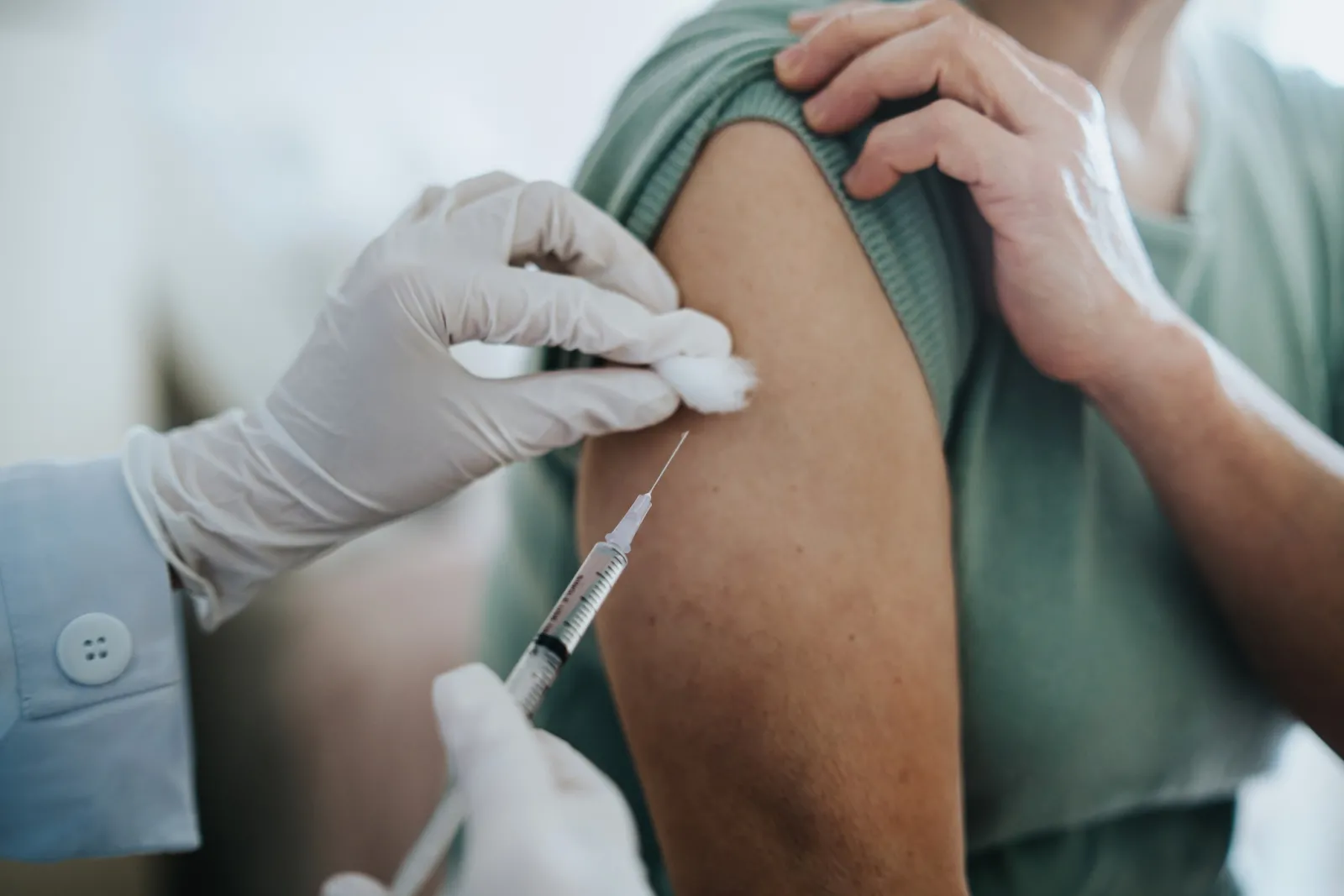
Millions of people across the United Kingdom are failing to take up a vital immunization that protects against Respiratory Syncytial Virus, commonly known as RSV, prompting urgent warnings from medical professionals. While the bug often presents as a mild cough or cold in healthy individuals, it can quickly escalate into a life-threatening condition for vulnerable populations such as older adults and newborn babies. Spread easily through coughs and sneezes, the virus sends thousands of people to the hospital every year due to severe respiratory complications including pneumonia and lung infections.
Data released earlier this month shows that between September 1, 2024, and September 30, 2026, just 62.8 per cent of eligible older adults have received the jab. This leaves roughly 40 per cent of those at risk completely unprotected against an infection that experts equate in danger to the flu. Recent figures reveal that RSV rates have nearly doubled in a single week, with positive test proportions climbing from 3.2 to 5.2 per cent, while weekly hospital admission rates increased to 1.66 per 100,000 patients.
Understanding the Threat of the Forgotten Winter Virus
Respiratory Syncytial Virus has historically received far less public attention than other winter illnesses like influenza or Covid-19. Professor David Matthews, a professor of virology at the University of Bristol, noted that infections frequently went undiagnosed or were mistaken for simple winter bugs because medical teams previously lacked an effective vaccine to offer the public.
Before the introduction of the RSV vaccine in September 2024, the pathogen was estimated to contribute to the deaths of 8,000 adults annually. The infection places immense strain on the heart, often causing the organ to fail in frail patients. A major study last year by the UK Health Security Agency involving adults aged 75 to 79 demonstrated that the vaccine was 82.3 per cent effective at preventing RSV-related hospital admissions.
Who Is Eligible for the Free NHS RSV Jab?
The National Health Service offers the RSV vaccination free of charge to specific groups identified as being at the highest risk of severe illness. Eligibility guidelines expanded in September to include individuals aged 65 to 74 who live with a chronic respiratory condition, such as chronic asthma and bronchitis, or a suppressed immune system.
The immunization program also covers all adults aged 75 years and older, as well as residents living in care homes for older adults. Pregnant women are strongly encouraged to take the vaccine during every pregnancy, typically from 28 weeks onwards, to pass vital antibodies to their newborns and protect them from severe chest infections.
Regional Disparities and Low Uptake Rates
Uptake of the vaccine varies significantly across different parts of the country. Across all eligible adults, regional vaccine uptake was highest in the South West at 67.5 per cent, but lagged significantly in London, where only 48.8 per cent of eligible residents have taken up the jab.
Dr Edward Parker, an expert in epidemiology and population health at the London School of Hygiene and Tropical Medicine, explained that intensive care admissions for RSV in babies halved in the first full year of the maternal vaccine program. Hospital admissions for RSV among eligible older adults were also down by over 40 per cent. However, he warned that about four in 10 eligible older adults and four in 10 pregnant women remain unvaccinated ahead of the typical December peak.
How the RSV Vaccine Works and Safety Protocols
Unlike seasonal flu and Covid-19 immunizations, a single dose of the RSV vaccine is generally sufficient to provide robust protection for several years. The injection works by training the immune system to recognize the virus, thereby reducing the risk of severe infection, hospitalisation, and cardiac or respiratory complications.
Addressing public concerns regarding safety, Dr Alison Cave, chief safety officer at the Medicines and Healthcare products Regulatory Agency, stated that the jabs have undergone a rigorous development process to test their safety, quality, and effectiveness. Millions of these doses have now been safely administered across the UK and around the world.
Recognizing Symptoms and Knowing When to Seek Help
Symptoms of RSV typically appear four to six days after initial exposure. Common signs in adults and older children include a runny nose, decreased appetite, coughing, sneezing, fever, and wheezing. However, presentation can be much more subtle in young infants, manifesting as irritability, decreased activity, and breathing difficulties.
In babies and young children, the virus can trigger bronchiolitis, a chest infection marked by a refusal to feed, rapid and noisy breathing, and signs of dehydration such as a lack of tears when crying or dry nappies. Health authorities advise anyone who is eligible for the vaccine and has not yet received it to contact their general practitioner practice or visit a participating pharmacy to arrange an appointment before the winter season peaks.