Introduction to the Huawei Sense G1 Continuous Glucose Monitor
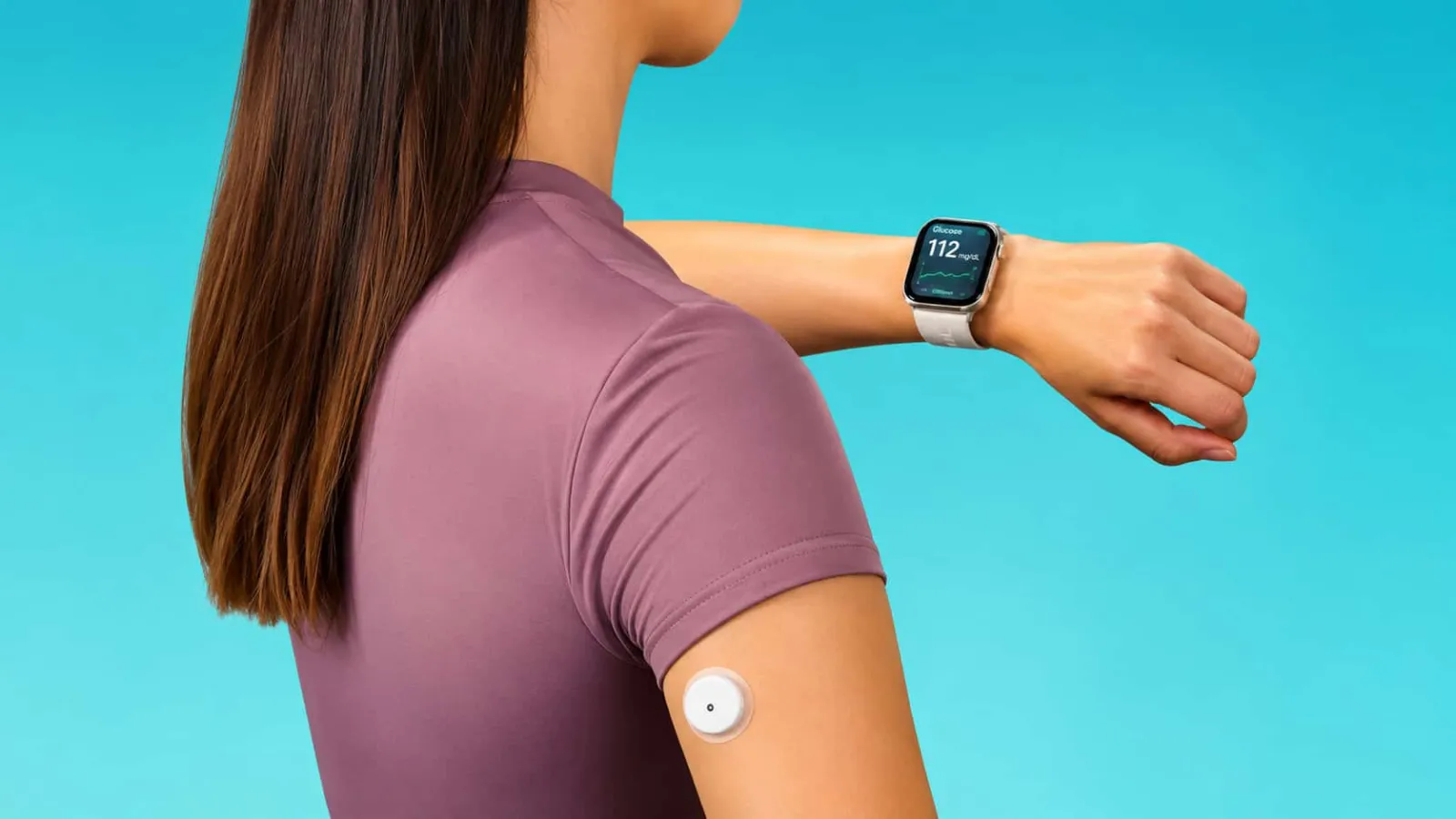
Technology giant Huawei has entered the medical device sector with the official unveiling of the Sense G1 in China. This new continuous glucose monitor marks a major shift for the company, moving beyond consumer smartwatches into medical-grade health hardware. The device attaches directly to the upper arm of a user and tracks glucose day and night. Designed for extended use, a single sensor functions for up to 16 days before it requires replacement. Users can monitor their metabolic trends by connecting the hardware to a compatible phone or a smartwatch.
Managing diabetes traditionally requires frequent finger pricks throughout the day to draw blood for test strips. Devices like the Sense G1 aim to eliminate this routine by providing real-time data streams. The system can send immediate alerts to the user when readings wander outside of a designated target range. This proactive warning system helps individuals take corrective action before their blood sugar levels become dangerously high or low. The launch in China represents the culmination of years of internal research and development within Huawei consumer hardware divisions.
The wearable health market has expanded rapidly over recent years as consumers demand better tools for chronic disease management. Technology companies have increasingly focused on non-invasive or minimally invasive biosensors to track vital signs. Huawei has steadily built a portfolio of health tracking features, beginning with software algorithms and expanding into physical hardware sensors. The registration of this medical device places the technology firm into direct competition with established medical equipment manufacturers operating within the region and globally.
How the Huawei Sense G1 Measures Glucose Levels
The physical hardware of the Sense G1 features a small, round sensor that resembles an Apple AirTag in shape and size. According to reports from Mydrivers, the device operates through a flexible probe that sits just beneath the skin of the user. This probe uses an enzyme called glucose oxidase along with built-in electrodes to measure glucose levels in the interstitial fluid surrounding cellular tissue. This biochemical reaction generates an electrical signal that the device converts into readable glucose metrics.
Unlike older monitoring methods, this approach gives users a continuous record of glucose changes without requiring a physical finger prick for every single reading. Huawei states that each individual sensor is intended for use by a single person and requires no manual calibration by the user. Manual calibration typically demands that users cross-reference the sensor with a traditional blood glucose meter using a finger prick several times a day. Removing this requirement simplifies the user experience significantly and reduces user error during operation.
Interstitial fluid glucose monitoring differs slightly from direct blood glucose testing because of how the body processes sugar. Sugar moves from the bloodstream into the fluid surrounding cells with a slight delay. This technological approach requires specialized software algorithms to translate fluid measurements into clinically useful information for the wearer. The hardware must remain securely attached to the upper arm during daily activities, including sleeping, showering, and exercising, to maintain a steady data stream.
Accuracy and Clinical Performance of the Sensor
Evaluating the precision of medical wearables involves specific clinical metrics, including the mean absolute relative difference, commonly known as MARD. A tipster cited by Mydrivers put the Sense G1 mean absolute relative difference below 10%. MARD measures how closely a sensor readings match reference laboratory measurements, where a lower figure demonstrates closer agreement and higher reliability. However, Huawei has yet to officially confirm this specific performance figure in public statements.
The same tipster also noted that the sensor readings could lag behind rapid changes in blood glucose by about 5 to 15 minutes. This physiological lag is a known characteristic of interstitial fluid monitoring across nearly all continuous glucose monitors currently available on the market. When blood sugar rises or falls very quickly, the fluid beneath the skin takes a short time to catch up with the bloodstream. Users must understand this timing delay when making urgent treatment decisions based on their wearable readings.
Clinical accuracy remains the most critical factor for regulatory approval and user trust in medical devices. Regulatory bodies require extensive trial data to prove that a device will not provide misleading information that could lead to dangerous medical dosing errors. While the initial reports from industry observers suggest strong performance indicators, official validation from Huawei or independent clinical studies will provide a clearer picture of its reliability in everyday environments.
Regulatory Approval from China Medical Authorities
A major milestone for the product occurred when China National Medical Products Administration registered the Sense G1 as a Class III medical device. Class III represents the highest risk category in the regulatory framework of China, reserved for devices that sustain or support life, are implanted, or present potential unreasonable risk of illness or injury. This category also covers complex medical products such as cardiac stents and artificial joints, demanding rigorous safety evaluations.
According to information published by IT Home, this milestone marks the first ever Class III registration for the consumer hardware business division of Huawei. Gaining this approval demonstrates that the company met strict government standards for medical manufacturing and device safety. Meeting these requirements takes years of documentation, design controls, and clinical trials to satisfy government inspectors before commercial distribution can begin.
The regulatory clearance opens the door for widespread adoption of the device within domestic healthcare networks in China. Medical device registrations in this top tier involve comprehensive reviews of software reliability, biocompatibility of materials touching the skin, and electrical safety. Achieving this status validates the engineering efforts of the health hardware teams and positions the company as a serious participant in the medical technology sector.
Development History and Related Health Technologies
Huawei consumer business CTO Li Xiaolong shared details about the creation process with followers, stating that the Sense G1 had the longest development cycle of any product his team had ever worked on. He first wore a functional test unit in December 2023, which was about 35 months before the public unveiling of the device. This extensive testing phase highlights the caution required when developing hardware that interacts directly with human tissue and monitors critical health parameters.
The company previously introduced its TruSense health monitoring system in 2024 to unify its wellness software and sensor capabilities. Some of the existing smartwatches produced by the company can assess diabetes risk through algorithmic trend analysis, though they do not provide direct physiological tracking. In contrast, the Sense G1 provides continuous glucose readings through a dedicated arm sensor, serving a completely different medical function than a general wellness wearable.
The evolution of these technologies reflects a broader corporate strategy to integrate health monitoring into everyday consumer electronics. By combining deep hardware engineering with advanced biosensors, the organization aims to build an ecosystem of preventive health tools. The lengthy development timeline for the arm sensor underscores the technical hurdles involved in shrinking laboratory-grade biosensors into reliable consumer-friendly wearables.
Pricing and Future Release Information
As of the initial announcement, Huawei has not yet announced an official price point or a specific commercial sale date for the device. Market watchers anticipate that the company could share more details at an upcoming late-November event where executives plan to introduce other hardware items. Potential product announcements at that event may include the Mate X8 foldable phone and the MateBook Fold S, which serves as a follow-up to the MateBook Fold Ultimate Design.
The absence of pricing information leaves consumers and industry analysts speculating about how the device will position itself against established continuous glucose monitor brands. Competitors in the global market often price their sensors based on subscription models or insurance reimbursement frameworks. How Huawei plans to distribute the Sense G1 to pharmacies, hospitals, or retail consumers remains an open question until the official commercial launch takes place.
Observers will watch for further announcements regarding international availability, as medical device regulations vary significantly between China and other global markets. Expanding the product outside its home country will require separate regulatory clearances from agencies like the European Medicines Agency or the United States Food and Drug Administration. For now, the rollout remains focused on the domestic market where the Class III medical device registration has been successfully secured.