OpenAI Launches Live Dictation for Real-Time Speech Transcription
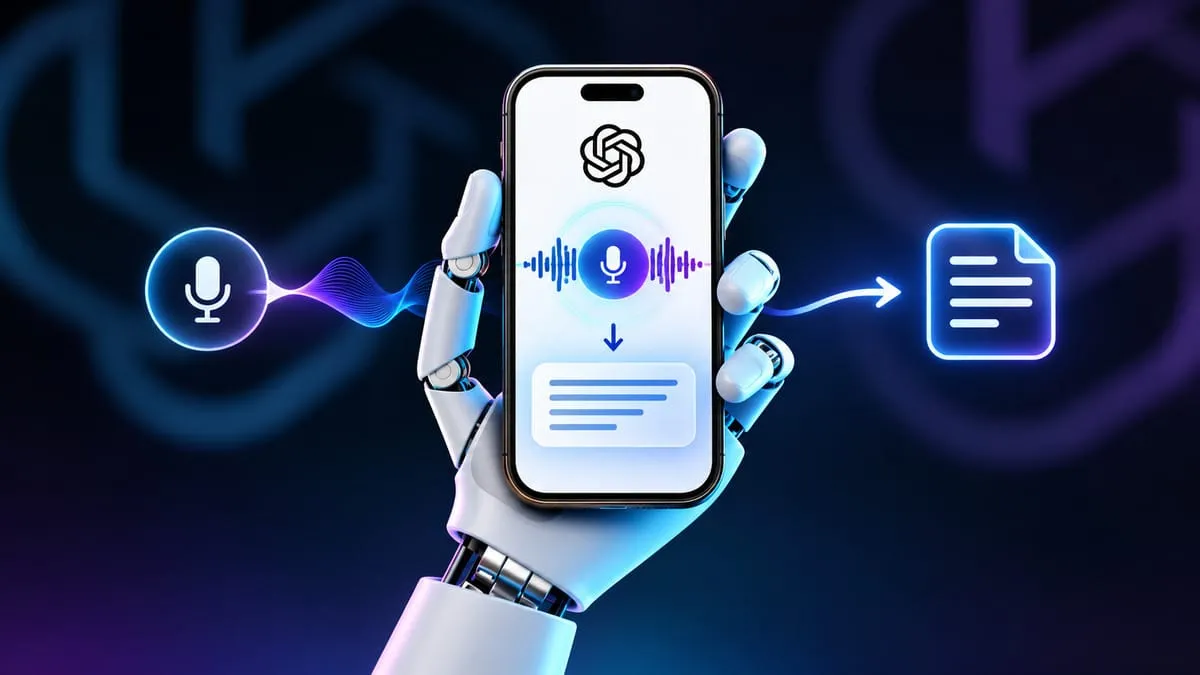
OpenAI has introduced Live Dictation in ChatGPT, allowing users to see their speech converted into text as they speak rather than waiting until they finish recording. According to OpenAI's November 18 announcement, the update is rolling out globally to all ChatGPT plans, including free and paid accounts. This development changes how users interact with text boxes by eliminating the lag between spoken words and written output, streamlining the process of generating prompts on various devices.
The company has also removed the previous 10-minute recording limit for voice dictation and says the feature is now faster and more reliable. Users no longer need to restrict their spoken instructions to short bursts, opening up possibilities for dictating extensive notes, drafts, or ideas directly into the application without interruption.
How Live Dictation Works in ChatGPT
Previously, ChatGPT users had to finish recording their voice prompts before the app completed the transcription. With Live Dictation, ChatGPT processes speech continuously and displays the transcript while the user is still talking. This technical shift relies on continuous audio streaming and processing models that render text on the screen instantly.
Users can tap or click the audio waveform during recording to show or hide the live transcription. Once they finish speaking, they can review and edit the generated text directly in the prompt box before sending it to ChatGPT. This reduces the time users spend waiting for voice messages to be converted into text.
Dictation in ChatGPT is getting faster and more reliable.
With Live Dictation, your speech turns into text as you talk, so you spend less time waiting for your message to finish transcribing.
Yap away! pic.twitter.com/sav9p2fyyu
— ChatGPT (@ChatGPT) November 18, 2026
OpenAI Removes the 10-Minute Recording Limit
Another major change is the removal of ChatGPT's 10-minute recording limit for voice dictation. Users can now record longer voice prompts without being restricted by the previous time limit. Long-form speech input previously required users to split their thoughts into multiple segments to avoid hitting the cutoff point.
OpenAI also says it has improved the reliability of voice transcription, although it has not provided specific performance figures. The improvements apply to ChatGPT's microphone-based dictation feature, which converts spoken instructions into written prompts across supported devices.
Global Rollout Across All ChatGPT Subscription Plans
Live Dictation is rolling out worldwide across ChatGPT's supported platforms. The update is available on the web, Windows and Mac desktop apps, and mobile applications for Android and iOS. This ensures that users working across multiple hardware ecosystems have access to the same real-time transcription tools.
OpenAI is making the feature available across all subscription plans rather than restricting it to paid users. Free account holders gain the same real-time dictation capabilities and lifted time restrictions as subscribers to higher-tier plans.
Distinction From Conversational Voice Mode and ChatGPT Record
Live Dictation is separate from ChatGPT's two-way conversational voice mode, which allows users to speak directly with the AI and receive spoken responses. Conversational voice relies on audio-to-audio models designed for dialogue, whereas dictation focuses purely on turning spoken words into text for prompt generation.
OpenAI upgraded that conversational voice experience earlier in 2026. The company also introduced ChatGPT Record in 2025 for transcribing voice notes and meetings. That feature remains in beta and is limited to eligible Plus, Pro, Business, Enterprise, and Edu workspaces.
Practical Uses for the New Dictation Capabilities
Users can also use regular voice dictation to record spoken messages and ask ChatGPT to convert the resulting text into summaries or bullet points. The removal of duration caps allows professionals and students to dictate long monologues, lecture notes, or brainstorming sessions in one continuous session.
The latest update focuses on making everyday voice prompts faster and more convenient by providing immediate transcription and removing the previous recording duration limit. By integrating these capabilities into the standard text input workflow, OpenAI aims to lower the barrier for voice-based interaction with artificial intelligence.