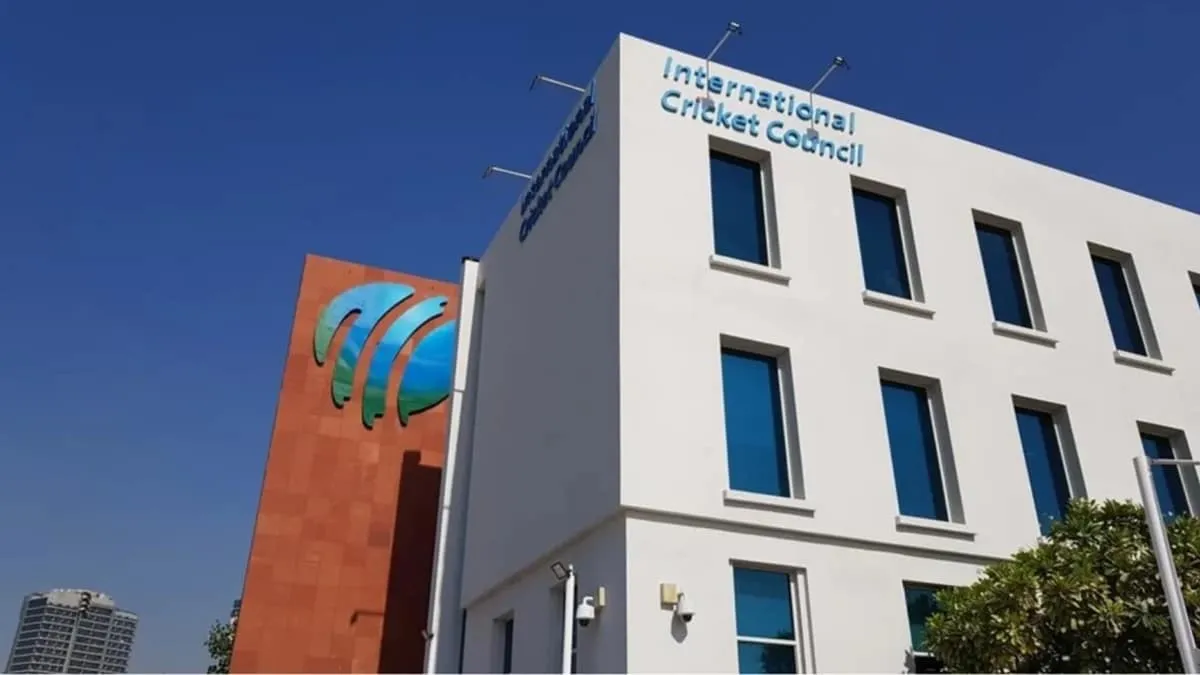
ICC Board Meetings Begin in Bali to Shape Franchise Cricket Rules
The International Cricket Council has started its final board and committee meetings of 2026 in Bali, Indonesia, with franchise league regulations, World Test Championship schedules, governance reforms, and the future of international cricket among the main topics. Global cricket administrators gathered to address the evolving nature of the sport, balancing the massive financial draw of domestic Twenty20 tournaments with the traditional demands of international bilateral series and global showcases. The meetings began on November 11 and will continue until November 15, marking a critical juncture for sports policy makers as they try to harmonize competing commercial and sporting priorities.
Eight ICC committees will hold discussions before the ICC Board and International Cricket Council Business Corporation Board meet to review the proposals. These specialized panels cover diverse operational areas, ranging from financial distribution and commercial partnerships to umpiring technology and youth development. The outcomes of these committee sessions feed directly into the main board agendas, where directors vote on binding policies that govern the sport worldwide.
How Franchise Cricket Regulations Are Changing
One of the main issues is the growing number of franchise cricket leagues worldwide. The Franchise League Review Group, headed by former Bangladesh captain Tamim Iqbal, will present its initial recommendations on improving the ICC rules for approving and regulating these competitions. Private Twenty20 leagues have proliferated across multiple continents, creating scheduling overlaps with international tours and raising concerns about player workload, injury management, and the long-term viability of traditional formats.
The committee was formed in July 2026 to address challenges created by the rapid growth of franchise leagues and strengthen the existing cricket structure. Administrators want to establish clearer boundaries and standardized protocols for issuing sanctions to new tournaments, ensuring that domestic boards protect their player pools while still allowing commercial growth. Tamim Iqbal and his colleagues spent months consulting stakeholders, franchise owners, and player associations before drafting their preliminary set of guidelines.
Governance Reforms and the Role of the BCCI
Alongside commercial regulation, internal administration is receiving heavy scrutiny during the Bali summit. The Governance Review Committee, chaired by Board of Control for Cricket in India Secretary Devajit Saikia, will also present its first recommendations following a review of the ICC governance system. Governance reform touches upon voting rights, revenue sharing formulas, and the operational independence of various internal councils, making it one of the most politically sensitive items on the agenda.
These structural reviews happen periodically to ensure that the governing body adapts to changing geopolitical realities and shifting revenue streams within the global sports economy. Devajit Saikia leads a team tasked with examining how executive decisions are made and whether current administrative frameworks provide adequate representation to both powerhouse boards and emerging associate members. Recommendations from this committee could reshape how the global game is managed for the next decade.
World Test Championship Schedules and Future Tournaments
Another major topic will be the World Test Championship, with proposed matchups for the 2027 to 2029 and 2029 to 2031 cycles scheduled for discussion. Maintaining the relevance and context of Test cricket remains a priority for traditionalists, even as shorter formats dominate viewership metrics and commercial revenue. The ICC will also consider approving windows for major men international tournaments between 2028 and 2035, providing member boards with a long-term calendar to plan domestic leagues and bilateral tours without scheduling conflicts.
Long-term calendar planning prevents overlapping events that dilute television audiences and exhaust traveling squads. By locking in tournament windows years in advance, the governing body aims to bring financial stability to nations that rely heavily on hosting major ICC events for their operational budgets. The discussions in Bali will test the willingness of powerful member boards to compromise on calendar space for the greater good of the global ecosystem.
Development Programs and Support for Emerging Nations
The ICC Development Committee will discuss qualification systems for future international events, with a focus on making competitions more competitive and providing better opportunities for emerging cricket nations. Expanding the global footprint of the sport requires structured pathways for non-Test playing countries to gain meaningful competitive experience against established sides. This includes financial grants, coaching resources, and tailored qualification tournaments designed to raise playing standards across Africa, Europe, and the Americas.
The board will also review proposals to support Afghan refugee women cricketers through the Development Pathway Programme. In addition, the ICC Decision Review System Accreditation Programme will be considered to ensure consistent technological standards across all international fixtures. Ensuring high standards for umpiring technology helps maintain sporting integrity and public confidence in match results.
Why the Bali Location Matters for Indonesian Cricket
ICC Chairman Jay Shah said the meetings provide an opportunity for cricket boards and officials from different countries to work together and shape the future of the sport. Hosting these high-level summits outside traditional cricket powerhouses is a deliberate strategy to raise the profile of the game in developing regions. Officials can witness local infrastructure firsthand and engage directly with regional sports ministers.
He also highlighted Indonesia growing cricket infrastructure and said hosting the meetings in Bali would help support the game development in emerging markets. Indonesia is currently developing the Bali International Oval, which is expected to host the ICC Women T20 World Cup East Asia-Pacific Qualifier in 2027. This venue investment represents a significant step for local sports authorities looking to attract international tourism and sporting events to the island.
Next Steps and Concluding Remarks
The meetings will conclude on November 15, with the proposals and recommendations expected to help guide the ICC future plans for international and franchise cricket. Once the committees finish their deliberations, the governing board will vote on whether to adopt the suggested framework changes immediately or send them back for further refinement. Fans and players alike await the final communiques to see how the sport will balance the competing demands of lucrative franchise leagues and historic international competitions in the years ahead.