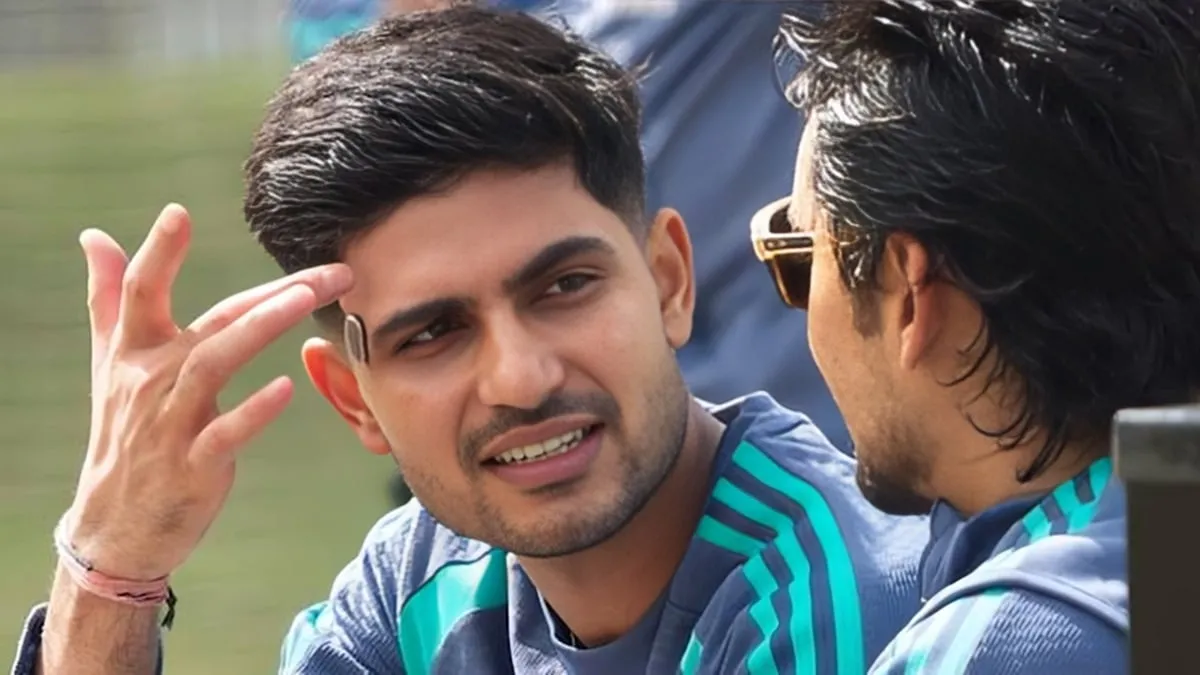
Indian Captain Shubman Gill Wears Mystery Device in Auckland
Indian cricket captain Shubman Gill drew widespread attention after he was spotted wearing a small, gold-colored device near his eye during the first ODI against New Zealand at Eden Park in Auckland. The unusual accessory quickly became a talking point among fans and players alike during the high-stakes international fixture.
Gill was initially seen wearing the device during India training sessions ahead of the series and continued using it during the opening match. He even wore it while batting, prompting New Zealand cricketer Kyle Jamieson to ask about it.
While the sight of players wearing health trackers is common in modern sport, the placement and design of this particular piece of technology stood out. Unlike standard wristwatches or fitness bands, this gadget sits directly on the side of the head, near the temple.
What is the Temple Health and Fitness Wearable?
The device, called Temple, is a health and fitness wearable developed by Deepinder Goyal, co-founder of Indian food delivery company Zomato. This product represents a shift away from traditional wrist-based form factors toward specialized biometric monitoring.
Unlike conventional fitness trackers and smartwatches worn on the wrist, Temple is attached to the side of the forehead and is designed to monitor changes in blood flow near the brain. It uses adhesive patches called Grips to stay in place during physical activities.
Its BrainFlow technology uses light sensors to track changes in blood circulation in the head. This method allows the hardware to capture physiological metrics that standard wrist-worn devices might miss during intense physical exertion.
How the Temple Device Measures Physical Strain
Athletes face intense physical demands, and understanding how the body reacts to stress is vital for performance. The Temple gadget offers specific metrics designed to quantify daily fatigue and recovery.
The device also provides a measurement called Entropy, which Goyal describes as the body's real-time cost of being alive. The measurement is intended to indicate physical strain, with factors such as exercise, poor sleep, stress, caffeine consumption, and meditation affecting the readings.
For athletes, the device can provide useful information about how their bodies respond to physical activity and recover afterward. Monitoring these variables helps competitors manage their training loads and avoid overtraining or injury.
Other Elite Athletes Using the Temple Gadget
Shubman Gill is not the only high-profile sports star experimenting with this technology. Other top-tier competitors have incorporated the forehead-mounted tracker into their daily routines.
Gill is not the first Indian athlete to use the device. Badminton star PV Sindhu has also been spotted wearing Temple during international competitions, including the World Championships.
Speaking to Indian media, Sindhu said the device helps athletes understand their recovery and sleep patterns, which differ from person to person. She added that Temple provides information about cognitive performance, heart rate, heart rate variability, and nutrition, helping athletes better understand their overall physical condition.
Official Status and Questions Surrounding Gill Usage
Despite the growing visibility of the gadget in international arenas, questions remain regarding its formal adoption by national sports bodies. Athletes often test emerging technology independently to gain a competitive edge.
However, Gill has not publicly explained why he is using Temple, and it remains unclear whether the device is part of the Indian cricket team's official fitness-monitoring program. Observers and fans continue to watch for further details on whether other members of the squad will adopt similar tracking tools during the remainder of the tour against New Zealand.