Tom Huddlestone Overcomes Coaching Doubts With Glenn Hoddle Advice
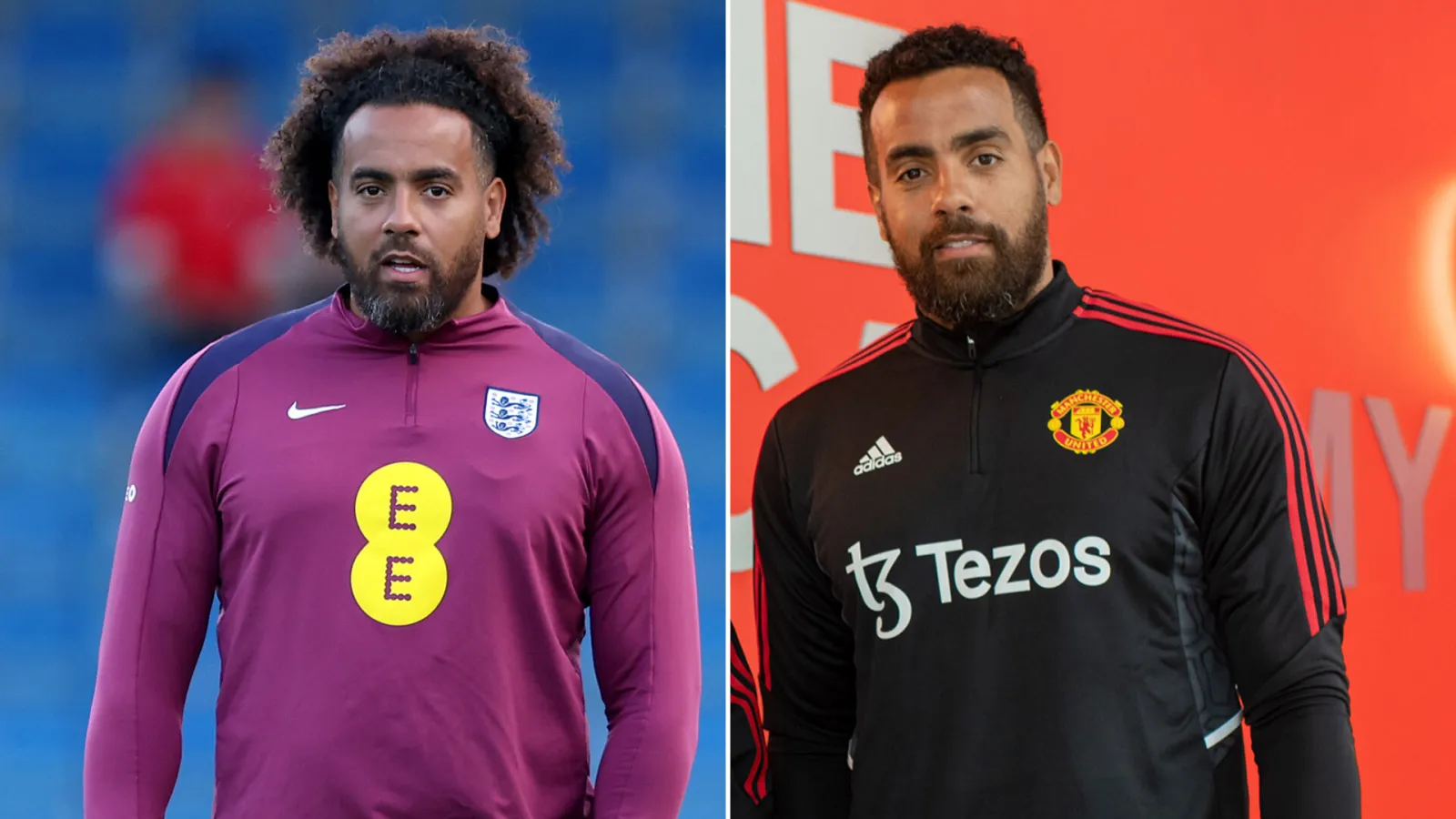
Former Tottenham star Tom Huddlestone has opened up about conquering early doubts in his coaching career and setting his sights on becoming a manager in the future. The 39-year-old currently serves as assistant to England Under-19s head coach Ben Futcher and works as a first-team assistant at Birmingham in the Championship.
His coaching journey began a few years ago in a player-coach role with the Manchester United Under-21s. Transitioning from a distinguished playing career into the technical area brought immediate challenges, leading Huddlestone to experience self-doubt before receiving pivotal words of wisdom from former England boss Glenn Hoddle.
How Imposter Syndrome Affected His Start at Manchester United
Entering the elite youth setup at Old Trafford proved daunting for the former midfielder, who had never coached before stepping into the role. Dealing with talented players aged 17 and 18 at a high-profile club triggered concerns about his authority and communication.
Huddlestone recalled thinking whether he was saying the right things or if the players would accept him. He ultimately drew on his own experiences as a player, remembering how he absorbed instructions from every manager he worked under during his career, regardless of their methods.
The Glenn Hoddle Lesson That Changed Everything
The turning point for Huddlestone came from advice given by Glenn Hoddle during their time together at Wolverhampton Wanderers. Huddlestone had moved to Wolves on loan five months after joining Tottenham, but after failing to play a game following 12 or 13 matches, Hoddle delivered a blunt message.
Hoddle told him that if he did not believe in himself, nobody else would. Reflecting on that moment, Huddlestone noted that the lesson translates directly from playing to coaching, helping him develop the internal confidence needed to deliver instructions effectively.
Learning From Elite Managers Across a Long Playing Career
Nottingham-born Huddlestone began his professional career at Derby County, playing regular second-tier football as a teenager before securing long stints at Tottenham Hotspur and Hull City in the Premier League. He also earned four senior caps for the England national team.
Throughout his playing days, he absorbed traits from notable managers. He regards Marco Silva at Hull City as the best manager he played under due to extreme attention to detail, while praising Harry Redknapp at Tottenham for his man-management skills and ability to make players feel confident before matches.
A Modern Approach to Coaching and Player Relations
Rather than relying on aggressive confrontations, Huddlestone employs a calmer communicative style with the players he now mentors. He acknowledges that modern football culture differs significantly from the environment he entered twenty years ago, noting that screaming and shouting rarely brings out the best in anyone.
His coaching approach focuses on explanations and understanding individual perspectives. Modern players hold strong positions within the game, requiring coaches to adapt their man-management strategies to suit a changing society.
Working With Top English Youth Prospects
In his international coaching capacity, Huddlestone has worked closely with emerging talent at the highest level of youth football. He recently coached Max Dowman during the September and October international break, praising the Arsenal youngster for his attitude and ability despite a red card against the USA.
Dowman has since earned promotion to the Under-21s, while Huddlestone continues guiding other prospects such as Reigan Heskey, son of former England striker Emile, and Tottenham youngster Luca Williams-Barnett in fixtures against Slovenia, Belarus, and Austria.
Future Ambitions and Life at Birmingham
Alongside his international duties, Huddlestone contributes to a successful campaign at Birmingham, with the club currently positioned at the top of the Championship table. The environment provides strong backing from the board and robust financial investment, creating ideal conditions for learning.
While in no immediate rush to take the top job, the softly-spoken coach admits he wants to try his hand at management eventually. He does not want to reach the age of 50 and regret failing to give football management a genuine attempt.





