How Instagram Creators Can Earn Commissions With Amazon Affiliate Links
Instagram now lets creators earn commissions by adding Amazon affiliate links directly in Reels and feed posts. The partnership gives creators a new monetization pathway while turning Instagram content into shoppable storefronts for Amazon's product catalog.
Content monetization has evolved significantly over the past decade. Initially, platform earnings depended heavily on ad revenue sharing, brand sponsorships, and direct fan support. This new integration shifts the focus toward direct sales performance, giving creators a tangible financial stake in the products they showcase to their audiences.
By bypassing traditional ad models, creators can now generate income based on consumer purchasing intent. This aligns financial rewards directly with the utility and appeal of the recommendations shared in videos and photos.
Setting Up Amazon Affiliate Links on Instagram
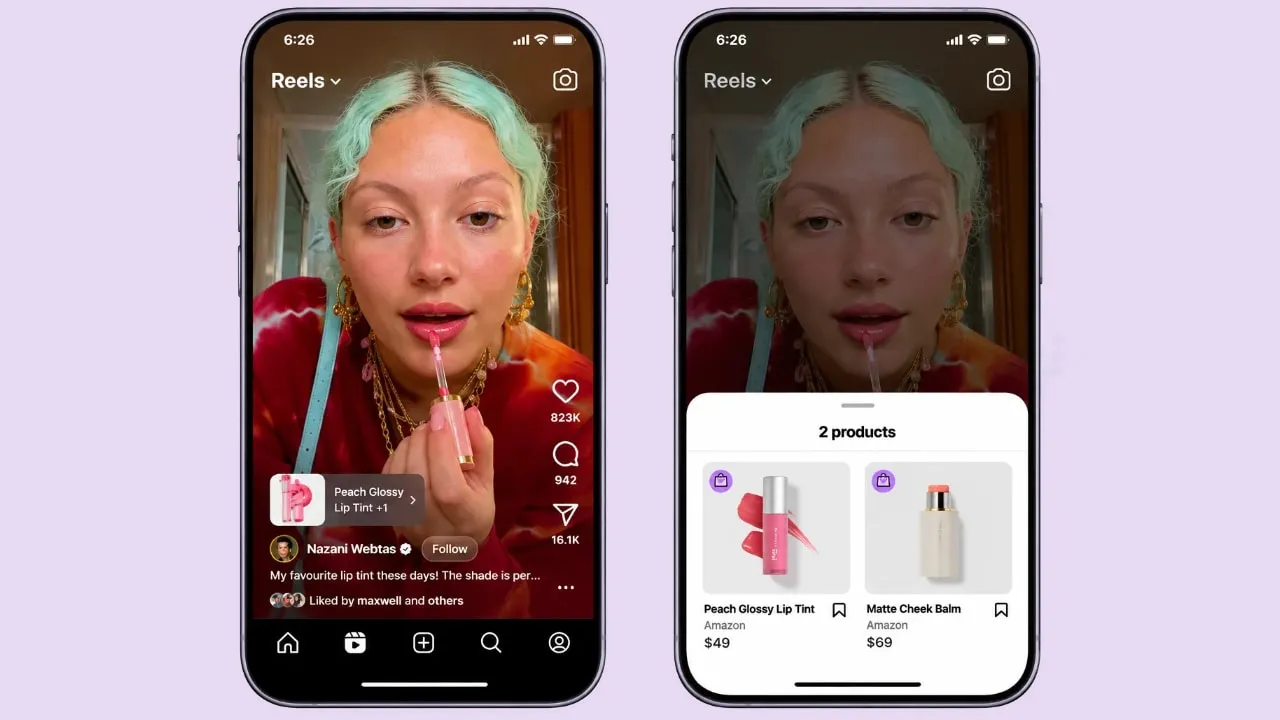
The integration works through a simple setup process. Eligible creators link their Instagram and Amazon Influencer accounts through the Professional Dashboard on Instagram. Once connected, the platform automatically attaches affiliate links whenever a creator adds Amazon products to their content. Clickable product links appear in the bottom left of a post or Reel, and tapping them takes viewers straight to the Amazon Shopping App.
As explained by Meta:
Once connected, Instagram automatically includes their affiliate links when they add Amazon products to content, with product links taking viewers directly to the Amazon Shopping App.
Creators must ensure their accounts meet eligibility requirements before attempting the setup. The Professional Dashboard serves as the central hub for managing these connections, streamlining what used to require third-party tools and complex workarounds.
Product Tagging Limits and Commission Transparency
Creators can tag up to 30 shoppable products per Reel or 20 per feed post. Additionally, the system shows the commission rate for each item before creators add it. As a result, creators know exactly how much they earn from every sale before publishing.
This transparency allows digital publishers to plan their content strategy around profitability. Knowing exact financial returns helps creators decide which merchandise to feature and how to structure product reviews or demonstrations.
Having clear visibility into earnings per item removes guesswork. Creators can focus their efforts on high-yielding categories, optimizing their content production for better financial results.
Amazon Expands Its Social Media Affiliate Footprint
This deal expands Amazon's growing affiliate footprint across social media. Earlier this year, the retail giant signed similar partnerships with YouTube and Pinterest. Together, these integrations position Amazon as the default affiliate engine behind the three largest visual discovery platforms on the internet.
Affiliate marketing has long been a cornerstone of digital commerce, allowing publishers to earn referral fees. By embedding these programs directly inside major social networks, Amazon captures consumer intent at the exact moment of discovery.
Competitors in the e-commerce and social media space watch these developments closely. Integrating checkout paths and product recommendations directly into video feeds changes how consumers discover and purchase goods online.
Navigating Past Friction Between Amazon and Meta
However, the Instagram partnership carries an interesting backstory. Amazon previously asked Meta to remove it from the list of platforms compatible with Muse, Meta's AI shopping agent. Amazon claimed Muse violated its restrictions on automated shopping tools. Despite that friction, the two companies moved forward with this direct creator-to-product affiliate deal. The partnership signals that Amazon's objection targeted AI-driven automation specifically, not Meta's broader ecosystem.
Corporate partnerships often involve navigating complex technological and policy disagreements. Resolving these disputes to launch a major creator feature demonstrates the high commercial value both firms place on social commerce.
Separating automated shopping agents from human creator recommendations proved crucial for this agreement. While automated scraping or tools raise policy concerns, human-led content creation remains a welcome driver of retail sales.
A Shift From Past Native Shopping Features
It is interesting that Instagram is retracing its steps from a few years ago, albeit differently this time. Meta shut down its native shopping features in 2023 on Instagram, and has since relied on ad revenue sharing and subscription tools. In this way, affiliate links can offer something different: creators earn based on actual product sales rather than views or engagement metrics. That model aligns incentives more directly between content quality and revenue.
Past native shopping tools focused on hosting entire storefronts and checkouts within the app itself. The current approach leverages affiliate linking, passing the final transaction securely to the established e-commerce platform.
This strategy minimizes regulatory and operational burdens for the social network while maximizing earning potential for the creative workforce. It represents a pragmatic evolution in social platform commerce.
Reducing Friction for Online Shoppers
Product recommendations from trusted creators drive higher conversion rates than traditional display ads. By embedding affiliate links natively into Reels and posts, Amazon removes the friction of external link-in-bio tools that creators previously relied on.
Eliminating extra steps in the user journey typically boosts transaction completion rates. When a viewer can tap a product tag in a video and move immediately to a shopping application, impulse purchases and deliberate orders become much simpler.
The feature rolls out to eligible creators immediately through Instagram's Professional Dashboard.