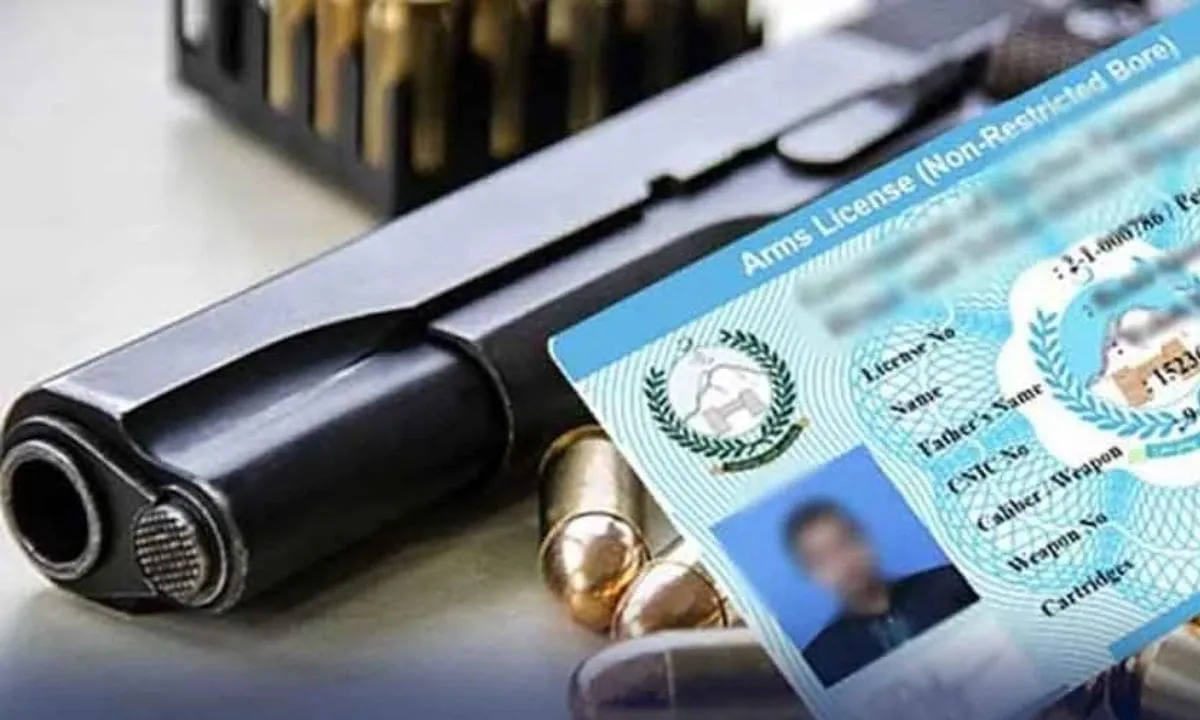
The Ministry of Interior has barred all provincial governments from issuing all-Pakistan arms licences, declaring the authority exclusive to the federal government.
What the New Directive Changes About Arms Licensing in Pakistan
Under the new directive, provinces may issue arms licences only for use within their own territorial limits. Any licence issued by a province will not be valid elsewhere in the country. This marks a clear shift from the previous practice where provinces could grant licences that were recognised nationwide.
Why the Federal Government Is Re-Verifying Existing All-Pakistan Licences
The ministry has also ordered a fresh review of all-Pakistan licences already in circulation. Holders must have their licences re-verified and endorsed by the federal government to retain nationwide validity. The review process is intended to create a single, centrally controlled database of firearms permissions, reducing the risk of duplicate or fraudulent licences across provincial borders.
How the Re-Verification Process Works
After endorsement, the National Database and Registration Authority (NADRA) will add a new endorsement to each approved licence. Licences that fail to secure federal endorsement will remain valid only within the boundaries of the issuing province. NADRA, which already manages national identity cards and biometric records, will use its existing infrastructure to tag each licence with a unique verification code that indicates federal approval.
Official Communication to Provincial Authorities
The ministry has sent a formal letter outlining the decision to the chief secretaries and inspectors general of police of all four provinces. The letter instructs provincial law-enforcement heads to halt any further issuance of all-Pakistan licences and to cooperate with NADRA during the re-verification phase.
Background: Arms Licensing in Pakistan
Pakistan's firearms regime has long been a mix of federal and provincial responsibilities. The Federal Government, through the Ministry of Interior, issues licences that allow owners to possess and carry firearms across provincial borders. Provinces, meanwhile, have been permitted to issue licences for intra-provincial use, typically for hunters, sport shooters, and security personnel operating only within a single province.
Historically, the lack of a unified verification system has led to concerns about licence duplication, illegal transfers, and gaps in background checks. Analysts have noted that some provinces maintain separate registers that are not always synchronized with the federal database, creating opportunities for misuse.
Legal Framework Governing Firearms
The Arms Ordinance of 1965, amended several times, remains the primary legal instrument governing firearms in Pakistan. Section 5 of the ordinance defines the categories of licences, including "All-Pakistan" licences that grant nationwide validity. The Federal Government retains the power to issue, suspend, or revoke these licences under the ordinance. Provincial governments, under the Constitution's devolution provisions, can issue licences for local use but must not contravene federal law.
Impact on Licence Holders and the General Public
Current holders of all-Pakistan licences will need to submit their documents to NADRA for endorsement. The process is expected to take several weeks, during which the licences will retain provisional validity but only within the issuing province. Owners who fail to obtain endorsement will find their licences ineffective outside that province, potentially affecting travel, business, and security operations that cross provincial lines.
For law-enforcement agencies, the centralised database promises faster cross-check capabilities. Police in one province will be able to verify whether a firearm owner holds a federally endorsed licence, reducing the chance of illegal weapons being moved between provinces.
What Provinces Can Still Issue
Provinces retain the authority to issue licences for firearms that will be used solely within their own borders. These licences are typically for hunting rifles, sport shooting equipment, and personal defence weapons intended for use in the holder's residence or place of work within the province. The new rule does not alter the eligibility criteria for such intra-provincial licences; it merely confines their legal validity to the issuing province.
Next Steps and Timeline
The Ministry of Interior has not published a detailed timeline for the re-verification campaign, but officials have indicated that NADRA will begin processing submissions within the next two weeks. Licence holders are advised to keep their original documents handy and to respond promptly to any NADRA communications to avoid delays.
Provincial governments are expected to issue public notices informing residents of the new requirements. The chief secretaries and inspectors general of police will monitor compliance and report any irregularities back to the federal ministry.
Practical Takeaways for Firearms Owners
- Do not assume an existing all-Pakistan licence remains valid nationwide without federal endorsement.
- Submit your licence to NADRA for re-verification as soon as you receive notice.
- If you travel frequently between provinces, ensure you have the endorsed licence before crossing provincial borders.
- Keep copies of all correspondence with the Ministry of Interior and NADRA for future reference.
Potential Challenges and Criticisms
Some civil-rights groups have expressed concern that the centralised endorsement process could lead to bureaucratic delays and may disproportionately affect lawful gun owners in remote areas. Others argue that the move is necessary to tighten control over firearms and to align Pakistan's licensing system with international best practices.
Provincial officials have also raised questions about resource allocation for the verification drive, noting that NADRA will need additional staff to handle the surge in applications.
Looking Ahead: How This May Shape Future Policy
By consolidating the authority to issue all-Pakistan licences, the federal government may set a precedent for further centralisation of security-related permits, such as private security company licences and export-control authorisations. Observers will watch how the re-verification process unfolds and whether it leads to a permanent amendment of the Arms Ordinance to formalise the federal monopoly on nationwide licences.
For now, the immediate effect is a clear demarcation: provinces can only grant licences that work within their own borders, while the federal government assumes full responsibility for any licence that wishes to be valid across the country.