Pakistan Medical Association Lahore Proposes Electronic Monitoring in Medical Colleges
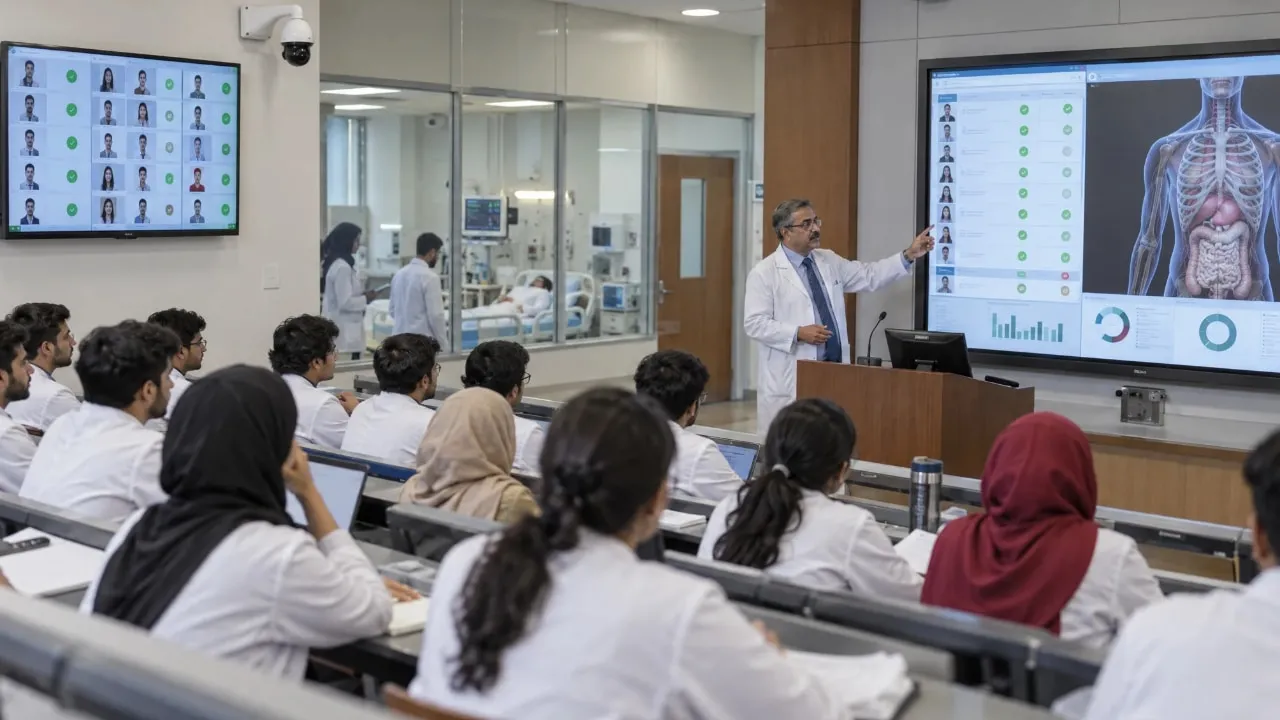
The Pakistan Medical Association Lahore has urged the Punjab government to introduce an effective electronic monitoring system across medical colleges to track student attendance, ward classes, lectures, practical training, and the participation of teaching staff.
This major proposal aims to bring transparency and accountability to medical education institutions in the region. Educational administrators and healthcare advocates have debated the state of medical training for years, making this call for digital oversight a notable development in local governance.
The demand came from Professor Shahid Malik, President of PMA Lahore, who welcomed the Punjab Specialized Healthcare and Medical Education Department's decision to restore the status of historic medical colleges as constituent colleges in medical universities and to appoint principals to them.
Why Electronic Monitoring is Needed in Medical Training
Professor Shahid Malik said the restoration and the appointment of principals would help strengthen academic discipline and ensure the regular participation of senior faculty and professors in ward classes, lectures and other educational activities, but only if backed by proper oversight.
He particularly called for an effective electronic monitoring system to track student attendance, ward classes, lectures, practical training and the participation of teaching staff.
Modern educational institutions increasingly rely on digital solutions to maintain high standards. Traditional paper registers and manual tracking methods often fail to capture accurate data regarding daily attendance and classroom engagement in large medical campuses.
Empowering Principals for Better Academic Oversight
Professor Shahid Malik urged the department to provide principals with the necessary administrative powers, support staff, offices and other facilities, arguing that students would benefit fully from the restoration of these historic colleges only if the decision was implemented in full and principals were empowered to carry out their responsibilities.
He said the decision would enable better oversight and timely resolution of matters concerning MBBS students.
Administrative autonomy allows leadership teams to enforce rules strictly and address grievances without unnecessary bureaucratic delays. Medical students pursuing the MBBS degree require consistent mentorship and structured clinical training rotations.
Background on Medical Colleges in Punjab
Medical education in Punjab has a long history, with several institutions operating for decades under various administrative structures. Restoring these historic medical colleges as constituent units of medical universities changes their reporting lines and internal governance frameworks.
Constituent college status typically links institutions more closely to their parent universities, standardizing exams, curricula, and degree issuance. However, effective local administration remains essential for day-to-day operations, hospital rotations, and faculty management.
The recent decision by the Punjab Specialized Healthcare and Medical Education Department addresses long-standing demands from academic circles to clarify institutional affiliations and leadership roles.
The Role of the Pakistan Medical Association
The Pakistan Medical Association acts as a representative body for medical professionals, advocating for doctors, medical students, and the healthcare system as a whole. Local chapters frequently issue policy recommendations to provincial governments regarding health sector reforms and medical education standards.
By highlighting the need for electronic tracking and empowered principals, PMA Lahore seeks to bridge the gap between policy announcements and classroom realities. Stakeholders now await formal responses from provincial authorities regarding the implementation timeline of these proposed administrative measures.