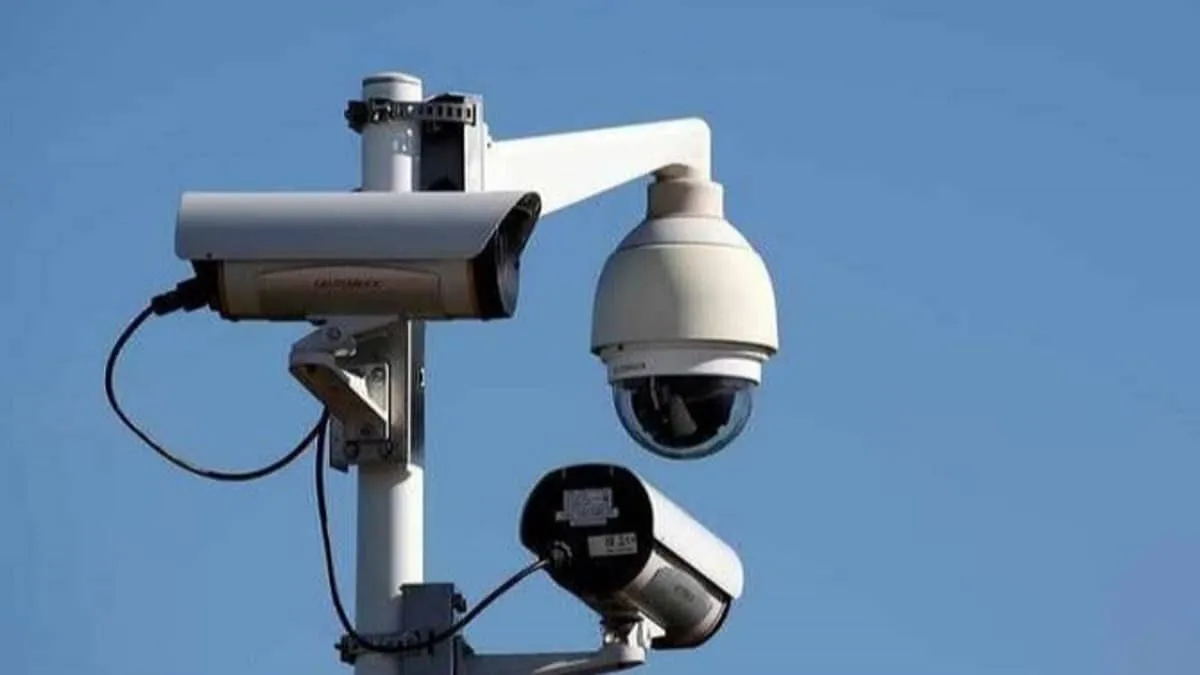
Islamabad Capital Safe City Authority Ordinance 2026 Overview
Damaging, removing, or tampering with equipment belonging to the Islamabad Capital Safe City Authority can now result in at least two years in prison, a fine of Rs. 200,000 or more, or both. This strict legal penalty forms the core of the new regulatory framework designed to protect public security assets in the capital territory. Authorities implemented these measures to deter vandalism and ensure the continuous operation of critical monitoring networks.
Under the Capital Safe City Authority Ordinance 2026, which has come into effect in Islamabad, no person can damage, destroy, remove, misuse, or interfere with the authority's equipment or infrastructure without legal permission. The legislation establishes clear boundaries for public interaction with municipal technology installations. Law enforcement agencies now possess explicit statutory backing to prosecute individuals who disrupt these public safety systems.
The capital territory has experienced rapid urban growth over recent decades, necessitating advanced technological solutions for crime prevention and traffic management. Safe city projects integrate thousands of electronic sensors, automated number plate recognition units, and high-definition lenses across major thoroughfares. Protecting these physical assets requires robust legal deterrents, given the high replacement costs and the critical nature of uninterrupted municipal oversight.
What Equipment Falls Under the New Safe City Protection Rules
The restriction covers surveillance systems, communication networks, fiber-optic cables, and other assets owned or controlled by the authority. These physical components form the backbone of modern metropolitan monitoring grids. Any unauthorized physical contact or disruption to these interconnected networks triggers severe legal consequences under the current legislation.
Surveillance cameras mounted on poles, traffic intersections, and public squares transmit constant feeds back to central monitoring stations. Fiber-optic cables buried underground or strung along utility poles transmit this vast volume of video data without delay. Communication networks link field units with command centers, allowing rapid response coordination during emergencies or security incidents.
Damage to a single fiber-optic line can blind multiple monitoring nodes, creating critical blind spots in urban security coverage. Vandalism or accidental disruption caused by uncoordinated construction work frequently threatens these sensitive installations. The new ordinance targets both malicious destruction and reckless interference, establishing accountability for any party that compromises physical network integrity.
Cybersecurity and Prevention of Electronic Crimes Act Enforcement
The ordinance also provides for legal action against anyone who gains unauthorized access to critical infrastructure, information systems, or data. Such offenses will be dealt with under Sections 3 to 8 of the Prevention of Electronic Crimes Act, 2016. This integration bridges physical security assets with the established legal framework governing digital and cyber offenses in the country.
The Prevention of Electronic Crimes Act, commonly known as PECA, handles offenses related to unauthorized access, cyberterrorism, electronic fraud, and data damage. By linking the safe city ordinance directly to specific sections of PECA, lawmakers ensure that digital intrusion into command servers receives appropriate judicial treatment. Hacking attempts, unauthorized data downloads, and digital sabotage now carry dual liabilities under both municipal and federal technology laws.
Digital security teams monitor central databases continuously for suspicious access attempts or malware injections. Protecting the backend infrastructure is just as important as securing the physical cameras mounted on city streets. Unauthorized penetration of these networks threatens confidential intelligence and operational readiness across the entire capital region.
Integration of Public and Private CCTV Networks
The new law also allows the authority to inspect and integrate public and private CCTV cameras and fiber-optic networks to strengthen surveillance and public security. Commercial establishments, educational institutions, and residential compounds often operate independent monitoring setups. Bringing these disparate feeds into a unified framework enhances situational awareness for law enforcement personnel.
However, the authority must record its security reasons in writing and ensure that citizens' privacy is protected. The provision does not apply to private homes or other places not open to the public unless permitted by law. These statutory safeguards prevent overreach and protect individual constitutional rights within residential and private spaces.
Private and commercial entities that refuse to follow CCTV integration directives, fail to meet camera or safety requirements, or obstruct inspections will receive a warning and have 15 days to comply. Business owners and property managers must evaluate their current security infrastructure to ensure alignment with municipal standards. Failure to meet these compliance deadlines invites administrative penalties and subsequent legal challenges.
Judicial Admissibility and Evidence Standards
The ordinance also allows data recorded by the authority to be used as evidence in courts under Article 164 of the Qanun-i-Shahadat, 1984. This provision establishes the legal credibility of digital footage, electronic recordings, and automated logs during criminal trials. Prosecutors can present unedited feeds directly from city cameras to substantiate charges in judicial proceedings.
The Qanun-i-Shahadat Order governs the admissibility of evidence in Pakistani courts, setting strict standards for authenticity and chain of custody. High-definition video recordings and digital logs generated by the safe city infrastructure meet these evidentiary benchmarks when properly cataloged and authenticated by technical staff. This capability strengthens prosecution cases against suspects apprehended for street crimes, traffic violations, or public disturbances.
Courts across the country increasingly rely on electronic proof to verify timelines, identify perpetrators, and reconstruct crime scenes accurately. The explicit inclusion of safe city data under Article 164 removes ambiguity regarding digital evidence validity. Law enforcement agencies can now present comprehensive electronic dossiers alongside traditional witness testimonies during criminal trials.





