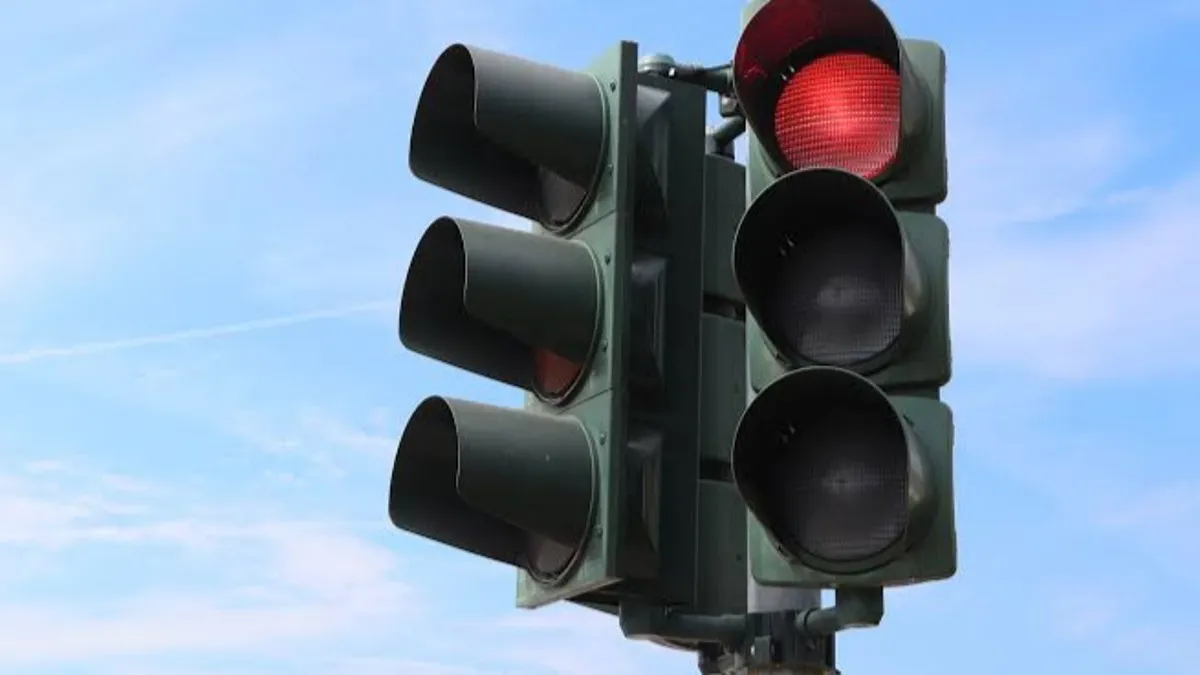
Islamabad Traffic Signals Upgrade Project Overview
The Capital Development Authority is upgrading 35 traffic signal intersections and installing modern pedestrian crossing systems at 18 locations across Islamabad, with the entire project scheduled for completion by the end of this year. Urban transportation in the federal capital has faced increasing pressure due to rising vehicle numbers, making intersection management a priority for civic administrators. Traffic congestion during peak hours has long frustrated commuters traveling between residential sectors and commercial hubs. By modernizing the electronic signaling infrastructure, authorities expect to reduce vehicular idle times and streamline daily movement.
Capital Development Authority Chairman Sohail Ashraf inspected the ongoing work at various sites and reviewed progress with relevant officials. The project aims to improve traffic flow and provide safer road crossings for pedestrians through modern traffic signals and Pelican crossing systems. Field visits by senior leadership ensure that engineering teams adhere to strict timelines and technical specifications. Officials on the ground briefed the chairman regarding supply chain logistics for electronic components and the scheduling of road excavation work to minimize disruption.
Progress Report on Major Intersections
According to the Capital Development Authority progress report, 85 percent of the traffic signal installation work at Daman-e-Koh Chowk has been completed. This specific intersection connects important tourist routes and residential zones, experiencing heavy weekend traffic alongside routine commuter loads. Civil works at Khayaban Roundabout, also known as Khyber Chowk, and Aabpara Chowk have also been completed. Aabpara Chowk stands as one of the oldest and busiest commercial nodes in the city, making the completion of civil works there a notable milestone for the broader infrastructure initiative.
Meanwhile, 50 percent of the civil works for installing Pelican crossing signals at Radio Pakistan Chowk, Faisal Chowk-III and Pakistan Secretariat have been completed. Work at the remaining intersections and pedestrian crossing locations is also underway. Pelican crossings, which use pedestrian-operated push buttons and traffic lights, provide a safer passage method across multi-lane urban roads. The Pakistan Secretariat location sees high pedestrian density during government working hours, highlighting the practical necessity of these specialized crossing systems.
Enhancing Pedestrian Safety and Traffic Flow
The authority said the installation of modern traffic signals and pedestrian crossings would improve traffic management and make road crossings safer and more convenient. Pedestrian safety remains a critical concern along Islamabad wide arterial roads, where vehicles often travel at higher speeds. Modernized signal phases allow dedicated time slots for foot traffic, reducing conflicts between turning vehicles and people crossing the street. Citizens navigating the city on foot will benefit directly from the installation of these systems across the designated 18 locations.
The Capital Development Authority chairman directed the relevant departments to complete the project within the current year while maintaining quality and transparency. He said modernizing traffic signals would help improve traffic flow and reduce road accidents in the federal capital. Municipal authorities face continuous pressure to upgrade public amenities to match international urban standards. Ensuring transparency in procurement and construction guarantees that public funds are used efficiently without compromising structural integrity or equipment durability.
Background of Urban Traffic Management in Islamabad
Islamabad features a grid-based sector system connected by wide highways and major avenues like Jinnah Avenue, Faisal Avenue, and Kashmir Highway. Unlike older, organically grown cities, the federal capital was planned with large roundabouts and signalized intersections designed to handle heavy vehicular loads. However, rapid population growth and suburban expansion over recent decades created bottlenecks at key junctions. Previous traffic management efforts relied heavily on manual police control during rush hours, which proved resource-intensive and less effective than automated systems.
The transition toward intelligent transportation systems began with the gradual introduction of synchronized signals and closed-circuit television monitoring in specific sectors. Despite these incremental upgrades, many intersections continued to operate with outdated hardware that lacked responsive timing capabilities. The current initiative by the Capital Development Authority represents a comprehensive overhaul aimed at replacing legacy infrastructure with contemporary technology capable of dynamic traffic adjustment.
Understanding Pelican Crossings and Modern Signals
Pelican crossings derive their name from pedestrian light controlled junctions, originally developed in the United Kingdom to give foot traffic a safe window to cross busy thoroughfares. Unlike standard zebra crossings where motorists are legally required to stop upon seeing a pedestrian, Pelican crossings use a sequence of red, amber, and green lights for both drivers and walkers. When a pedestrian presses the call button, the vehicle signal turns red after a brief delay, halting traffic completely until the crossing cycle finishes.
Modern traffic signals incorporate advanced controller units that can be programmed for different daily traffic patterns, accommodating morning rush hours, afternoon lulls, and evening departures. Energy-efficient light-emitting diode displays replace older incandescent bulbs, reducing power consumption and maintenance costs while improving visibility during bright daylight or heavy fog. Integrating these systems across 35 intersections creates a unified network that enhances overall road safety in the metropolitan area.
Economic and Social Impact on Commuters
Daily commuters, public transport operators, and commercial vehicle drivers stand to gain significant time savings once the project reaches full completion. Prolonged idling at malfunctioning or poorly synchronized traffic lights contributes to excessive fuel consumption and higher vehicular emissions within the urban environment. Streamlining intersection throughput lowers operational costs for commercial transport and reduces stress levels for everyday motorists traveling to offices and educational institutions.
Residents living near major junctions will also experience a decrease in noise pollution caused by continuous honking and sudden braking during traffic jams. Furthermore, the inclusion of dedicated pedestrian infrastructure addresses long-standing safety risks for school children, elderly citizens, and daily wage workers who rely on public buses. By balancing vehicular efficiency with pedestrian protection, the municipal administration aims to foster a more accessible and orderly urban environment.
Project Timeline and Future Outlook
With civil works already finished at critical junctions like Daman-e-Koh Chowk, Khayaban Roundabout, and Aabpara Chowk, engineering teams are focusing on remaining sites to meet the year-end deadline. The parallel execution of work at radio installations, secretariat zones, and commercial centers demonstrates a coordinated approach by municipal contractors. Supervisory committees monitor daily progress reports to identify potential bottlenecks and resolve logistical challenges before they impact the schedule.
As the Capital Development Authority moves forward with the final phases of installation and calibration, residents are advised to exercise caution near active construction zones. The successful realization of this modernization effort will set a benchmark for future municipal infrastructure projects in Pakistan. Continued investment in smart city solutions remains essential for accommodating future demographic growth while maintaining safety and efficiency across the national capital.