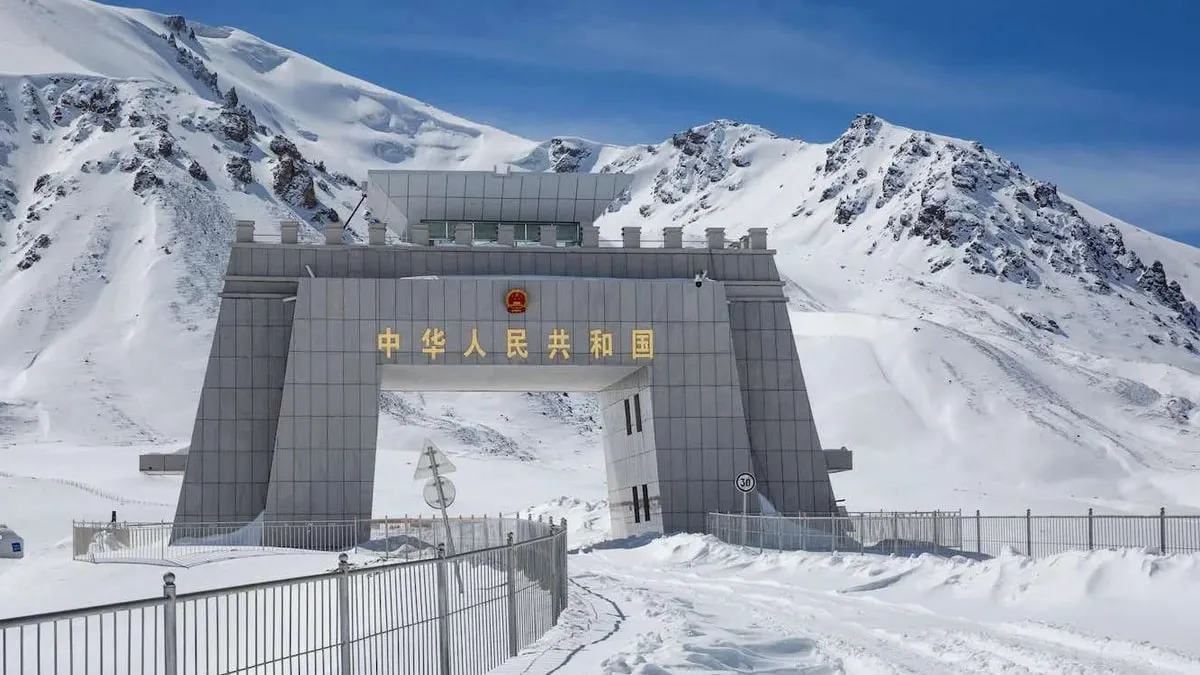
Heavy Snowfall Disrupts Traffic at Khunjerab Pass
Heavy snowfall has disrupted traffic at Khunjerab Pass along the Pakistan-China border, leaving tourists, passengers, and dozens of cargo containers stranded on the Karakoram Highway (KKH). The severe weather system created treacherous driving conditions across the high mountain pass, bringing transport to a complete halt.
Several vehicles reportedly skidded on the snow-covered road, including three containers whose drivers were rescued safely. Gilgit-Baltistan Tourism Minister Naiknaam Karim was also among the stranded passengers caught in the winter storm.
According to Gilgit-Baltistan police, heavy snowfall continued at Khunjerab Top on Friday, making the road dangerous for travel. A Chinese cargo container also overturned after skidding on the slippery road. Local travelers and police personnel rescued the driver, who escaped unharmed.
Public Criticism and Official Response to Stranded Vehicles
Stranded passengers criticized the authorities for failing to clear the road despite worsening weather conditions. Travelers expressed frustration over the lack of preventative maintenance and delayed response times from agencies responsible for highway upkeep.
In a video message, Tourism Minister Naiknaam Karim said the Chinese side of the border had been cleared of snow, while the Pakistani side remained covered with approximately four inches of snow and ice. He pointed out the disparity in winter maintenance capabilities between the two sides of the mountain crossing.
He said several vehicles had skidded due to slippery conditions and urged the Frontier Works Organisation (FWO) to immediately deploy snow-clearing machinery to prevent further accidents. The call for urgent action highlights the mounting pressure on state contractors to clear the vital trade and tourism route.
Advisories Issued for Travelers on the Karakoram Highway
Meanwhile, Gilgit-Baltistan police advised tourists and motorists to avoid unnecessary travel toward Khunjerab until conditions improved. Law enforcement personnel remain stationed at checkpoints to deter vehicles from entering the high-risk zone.
Travelers were also urged to contact the police helpline at 15 for road updates before planning any journeys in the mountainous region. Authorities emphasized the importance of heeding official warnings to avoid getting trapped in sub-zero temperatures at high altitudes.
Understanding the Strategic Importance of Khunjerab Pass
Khunjerab Pass stands as a major international border crossing between Pakistan and China, situated at an altitude of more than 4,600 metres above sea level. It serves as the highest paved international border crossing in the world and forms a critical link along the Karakoram Highway. The route facilitates substantial trade volumes and tourism traffic between South Asia and Central Asia.
The geography of the region makes it exceptionally vulnerable to extreme weather events, particularly during autumn and winter transitions. Heavy snowfalls at these elevations can occur abruptly, cutting off remote communities and halting cross-border commerce within hours. Maintaining year-round or extended access requires constant monitoring and heavy investment in specialized snow removal equipment.
The Role of the Frontier Works Organisation in Mountain Infrastructure
The Frontier Works Organisation acts as a primary military engineering construction agency responsible for building and maintaining major national highways in difficult terrain. Established in the 1960s for the original construction of the Karakoram Highway, the organization handles civil engineering projects across hostile geographic zones. Its responsibilities include landslide clearance, rockfall mitigation, and winter snow removal along vital economic corridors.
Criticism directed at the organization during weather emergencies often stems from the immense logistical challenges of covering vast mountain stretches. With high mountain passes subject to sudden blizzards, deploying heavy machinery requires pre-positioned assets and rapid communication networks. The recent incident at Khunjerab places renewed scrutiny on the readiness of infrastructure teams to handle sudden weather shifts.
Impact on Cross-Border Trade and Tourism in Gilgit-Baltistan
The blockage of the Karakoram Highway directly affects commercial freight operators moving goods between manufacturing centers in China and markets in Pakistan. Cargo containers carrying international goods rely on this corridor for overland shipping under bilateral trade agreements. Disruptions cause financial losses for transport companies and delay supply chains for regional businesses.
Tourism represents a vital economic pillar for Gilgit-Baltistan, drawing visitors eager to experience high-altitude landscapes and historical trade routes. Incidents where tourists become stranded risk dampening visitor confidence if emergency responses prove inadequate. Local hospitality businesses and tour operators depend heavily on reliable road networks to sustain seasonal revenue streams.
Safety Measures and Emergency Protocols for High-Altitude Travel
Traveling through high-altitude mountain passes requires adherence to strict safety guidelines and preparation for sudden weather changes. Motorists venturing onto routes like the Karakoram Highway must equip their vehicles with snow chains, adequate fuel, and emergency supplies. Local authorities continually update protocols, yet unpredictable meteorological phenomena frequently test the limits of emergency response systems.
Clear communication channels between travelers and district administration remain essential for preventing tragedies in remote areas. The reliance on emergency helplines allows stranded individuals to report distress and receive coordinated assistance from police and rescue services. As climate patterns in mountainous regions grow increasingly erratic, preparedness remains the primary defense for civilian populations traversing these heights.