Israel Pushes US President Donald Trump for Nuclear Strike on Iran
Israel is pushing US President Donald Trump to launch a nuclear strike on Iran as soon as next week, a move that might lead Pakistan and India into a nuclear exchange of their own, according to US journalist Tucker Carlson. The developing situation places intense pressure on the White House as international observers monitor potential military escalations in the Middle East. The push for a nuclear option comes at a sensitive time for regional diplomacy and domestic politics in multiple nations involved.
In a post shared on November 1, Carlson said Israeli Prime Minister Benjamin Netanyahu is pressing the Trump administration hard, and Trump is likely to decide by November 7 whether to use nuclear weapons. Carlson added, \"Bibi calls Trump about it every day.\" Neither US nor Israeli officials have publicly confirmed the plan, leaving the reports strictly in the realm of commentary attributed to the prominent journalist.
Why Israel Wants a Nuclear Strike on Pickax Mountain
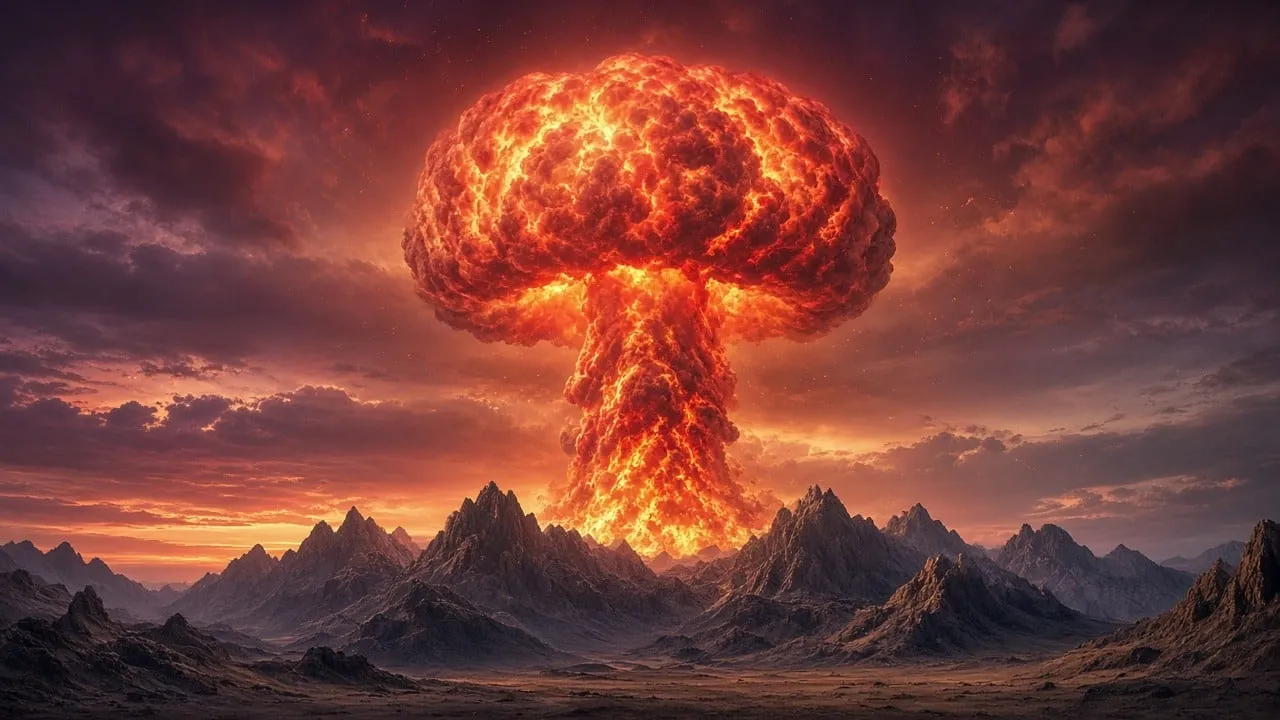
The target for the proposed military action would be Pickax Mountain in central Iran, where Israeli intelligence believes Tehran has restarted uranium enrichment. Military analysts note that no conventional US weapon can break through its 300 feet of granite, so Israel wants the Oval Office to exercise a nuclear option to penetrate the subterranean facility. The depth and geological composition of the site present a unique challenge that conventional ordnance reportedly cannot resolve.
Carlson stated that Netanyahu, struggling to form a government after last week's election, needs the war for political survival. Meanwhile, differing opinions exist within the US administration. Vice President JD Vance and envoy Steve Witkoff are pushing for a deal with Iran instead of military escalation. Trump earlier threatened to resume bombing Iran in September during an election rally on Sunday, stating, \"At some point we're going to have to give them the hammer.\"
What a US Nuclear Attack Means for Pakistan and India
Carlson, who has blamed Trump for the Iran war before, warned that a US nuclear attack would set a dangerous new precedent for global security. According to his analysis, Pakistan and India would be tempted to do the same against each other, as would North Korea against Seoul. The introduction of nuclear weapons into active conflict after decades of deterrence could shatter international norms and trigger widespread proliferation.
Beyond the immediate military concerns, environmental and economic impacts on South Asia and the Middle East would be severe. Fallout from a ground blast at Pickax Mountain would poison the Persian Gulf water supply of 100 million people, Carlson said. That is the region where millions of Pakistanis work and from where Pakistan gets much of its oil and liquefied natural gas imports.
Diplomatic Divisions Inside the White House
The internal debate within the US government highlights a stark divide over foreign policy objectives in the Middle East. While pressure from foreign leaders mounts, administration officials hold contrasting views on how to handle Tehran's nuclear ambitions. Diplomatic channels led by figures like Steve Witkoff aim to secure a negotiated settlement, offering an alternative to military intervention.
Despite these diplomatic efforts, the daily calls from the Israeli leadership maintain high pressure on the Oval Office. President Trump faces a critical window leading up to November 7 to weigh the arguments for a strike against the warnings of catastrophic regional and global consequences. The lack of public confirmation from Washington and Jerusalem leaves the ultimate trajectory of US policy uncertain.
Broader Implications for Regional Stability
The prospect of a nuclear strike on central Iran carries profound implications for global energy markets and international security. Disruption to the Persian Gulf water supply and vital shipping lanes would affect economies far beyond the immediate blast zone. Nations dependent on Middle Eastern energy supplies watch the diplomatic and political maneuvers in Washington and Jerusalem with intense anxiety.
As the self-imposed timeline approaches, international organizations and regional governments continue to assess the credibility of the reports. The potential for secondary conflicts, including a heightened risk of confrontation between Pakistan and India, remains a central concern for foreign policy specialists analyzing the unfolding crisis.