Federal Planning Minister Warns of External Economic Shocks
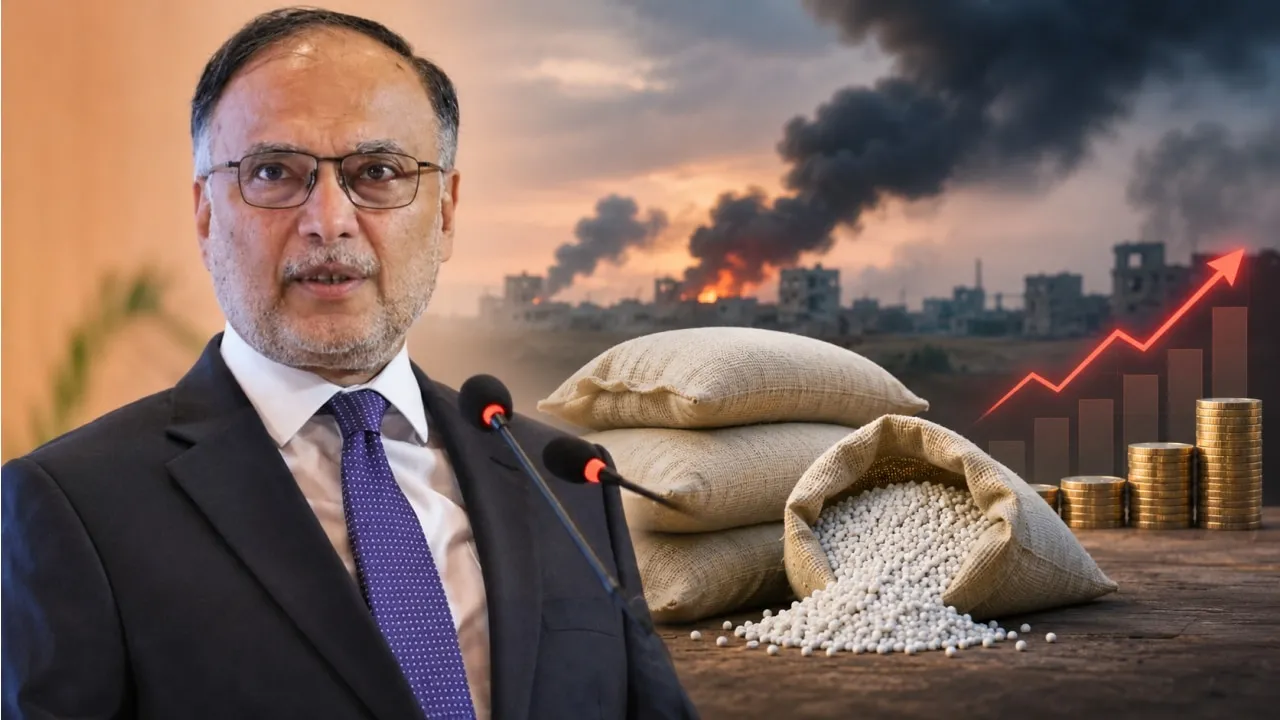
Federal Planning Minister Ahsan Iqbal has issued a stark warning regarding the vulnerability of domestic agriculture to international conflicts, stating that wars and geopolitical tensions taking place thousands of miles away can directly drive up fertilizer prices for Pakistani farmers. Addressing a prominent gathering in Islamabad, the minister explained that global disruptions affecting energy markets, food security, and supply chains create immediate, tangible consequences for agricultural producers and ordinary households within Pakistan.
Speaking as the chief guest at the 29th Sustainable Development Conference and 4th Sustainability Investment Expo on November 2, Iqbal stressed that nations must adopt proactive strategies to cope with an increasingly complex global environment. This environment, he noted, is continually shaped by escalating geopolitical tensions, intensifying climate change, and rapid technological advancements. The event itself was organized by the Sustainable Development Policy Institute at Allama Iqbal Open University, drawing policymakers, researchers, and economic experts to discuss long-term resilience.
The warning underscores the deep interconnectedness of modern agricultural markets, where local crop production relies heavily on imported inputs such as fertilizers and fuel. When international supply chains fracture due to conflict, the financial burden is quickly transferred down to individual growers. Pakistan, like many developing nations, remains exposed to these external price shocks because its agricultural sector depends on global commodity pricing for vital chemical inputs.
How International Conflicts Affect Local Agriculture and Households
Elaborating on the mechanics of these external pressures, the planning minister pointed specifically to international conflicts, including the Russia-Ukraine war, as primary drivers of economic instability across energy markets, global trade, and food security. He observed that countries situated far away from actual combat zones still experience severe spillover effects from international instability.
Global developments are increasingly dictating household finances and rising living costs inside Pakistan. International conflicts possess the capacity to raise fertilizer prices for local farmers while simultaneously driving up food expenses for everyday households. Geopolitical developments, Iqbal emphasized, have moved far beyond traditional diplomatic and strategic considerations to directly dictate domestic economic conditions.
Furthermore, international supply chains are undergoing a fundamental reorganization. Global trade routes and manufacturing networks are now being structured around strategic and political priorities rather than traditional principles of cost efficiency and market competition. In response to these shifts, developing nations must actively diversify their international partnerships, build stronger economic resilience, and expand regional connectivity to remain competitive.
Building Institutional Resilience and Economic Preparedness
To insulate the domestic economy from recurring external shocks, Iqbal emphasized that sustained development policies, stronger institutions, and rigorous long-term economic planning are absolute necessities for Pakistan. Developing economies must systematically diversify their export bases and strengthen their technological capabilities to maintain a competitive edge in international trade.
The severity of any external shock depends heavily on a country's internal preparedness, export diversification, and workforce capabilities. Economies that possess diversified industrial bases, robust institutional frameworks, advanced technological capacity, and skilled workers are inherently better positioned to withstand disruptions and capture emerging opportunities.
Countries must choose to prepare for emerging challenges and deliberately turn them into opportunities, or else risk facing severe consequences without adequate safety nets. This forward-looking approach requires deliberate investment in human capital and institutional reform to ensure that short-term international crises do not permanently derail long-term national development goals.
Advancing Technological Capacity and Youth Skills in Pakistan
As part of the strategy to prepare the workforce for an unpredictable global economy, Iqbal highlighted Pakistan's ongoing efforts to build domestic technological capacity. The government has established national centers of excellence dedicated to artificial intelligence, cybersecurity, big data, and cloud computing.
These specialized centers are specifically designed to equip young people with the advanced technical skills required to compete effectively in the modern global economy. By fostering digital literacy and technical expertise among the younger generation, Pakistan aims to create new avenues for economic growth that are less reliant on traditional commodity exports.
Developing technological proficiency allows the country to participate in higher-value sectors of the international market. This strategic shift is vital for generating employment opportunities and raising income levels, thereby buffering households against the inflationary pressures caused by external geopolitical events.
Reforming Global Financial Governance and Addressing Debt Burdens
Beyond domestic reforms, the planning minister addressed the systemic financial pressures restricting growth in the developing world, drawing attention to the mounting debt burdens carried by emerging economies. He noted that these heavy debt obligations severely restrict governments in their ability to invest in critical areas such as human development, infrastructure, and sustainable economic growth.
Because debt servicing consumes a large share of public revenues, developing nations find themselves with limited fiscal space to cushion their populations against imported inflation and global commodity price spikes. Iqbal called for stronger multilateral cooperation and comprehensive reforms to global financial governance structures to help developing countries alleviate these mounting economic pressures.
Without structural changes to how international debt and financial aid are managed, vulnerable nations will continue to struggle against systemic disadvantages. A fairer international financial system would enable countries to invest more freely in climate adaptation, agricultural productivity, and domestic resilience against future global crises.