Italian Woman Travels to Jhelum for Marriage
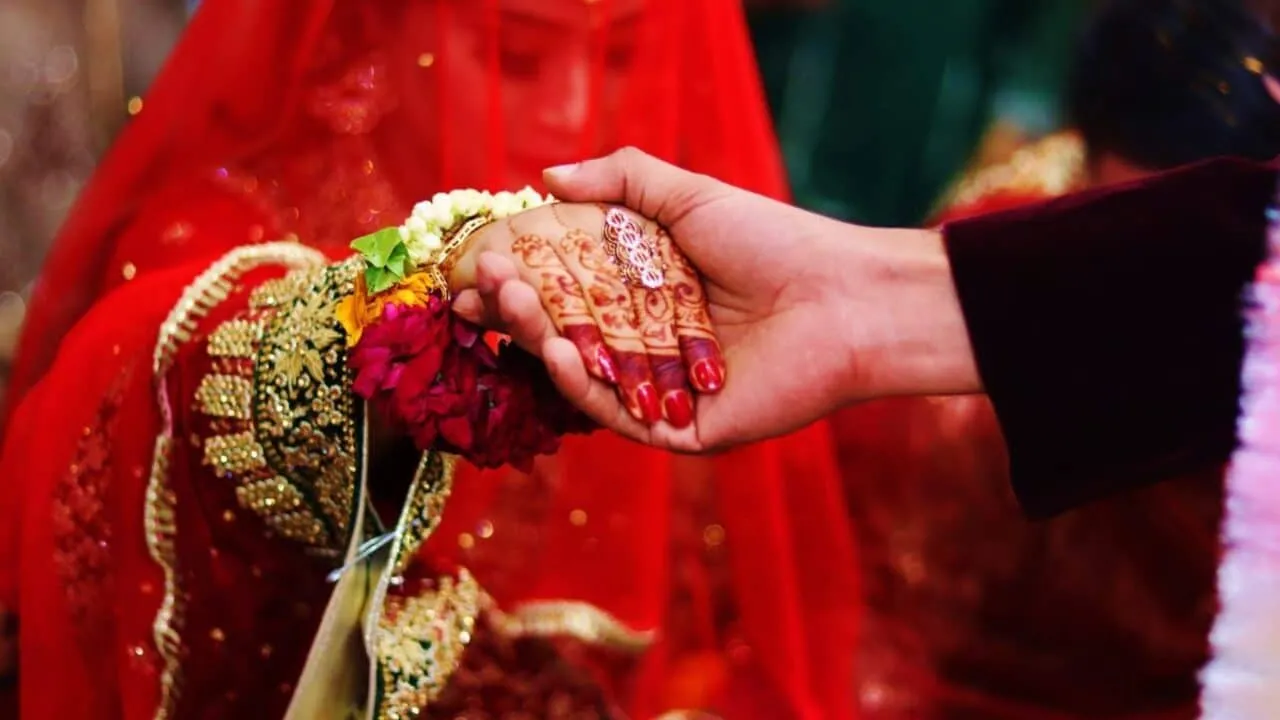
An Italian woman has travelled to Jhelum in Punjab to marry a Pakistani man after their friendship on social media developed into a relationship. According to media reports, the woman, identified as Jasmine, became friends with Haider, a resident of Jhelum, through social media. Over time, their friendship turned into love. This cross-border romance highlights how digital platforms continue to connect individuals across vast geographic distances, bringing people from entirely different cultural backgrounds together.
Later, Jasmine travelled from Italy to Jhelum to marry Haider. Before the marriage, she also converted to Islam. The couple then moved forward with the legal process required for their marriage in Pakistan. Such journeys involve significant travel arrangements, documentation, and coordination between families and local authorities to ensure that all immigration and civil requirements are properly met.
Legal Formalities Completed at the Deputy Commissioner Office
The necessary legal formalities for the marriage were completed at the Deputy Commissioner Office in Jhelum. The couple is now expected to proceed with the marriage after completing the required official process. Administrative offices in Punjab handle various civil registrations, including marriage certificates for foreign nationals, which require passport verification, visa checks, and formal affidavits confirming single status or legal capacity to marry.
Completing these steps at the local government level ensures that the union is recognized under national laws. Officials review all submitted paperwork carefully before issuing clearance for the wedding ceremony to take place. This procedure provides legal protection and clarity for both parties involved in international marriages within the country.
The Role of Social Media in Modern Cross-Border Relationships
Digital connectivity has transformed personal relationships, allowing friendships to form across continents without the constraints of physical distance. Platforms like Facebook, Instagram, and various messaging apps enable people in Europe and South Asia to converse daily, share aspects of their daily lives, and build deep emotional bonds. In this case, Jasmine and Haider maintained their connection online until they decided to meet in person and formalize their relationship through marriage.
While long-distance digital relationships face unique challenges, including cultural differences, language barriers, and visa regulations, many couples successfully bridge these gaps. Technology allows for video calls and instant translation tools, making it easier for partners to understand each other's backgrounds long before taking the step of traveling internationally to meet face to face.
Understanding Marriage Procedures for Foreign Nationals in Pakistan
When a foreign national marries a citizen in Pakistan, specific legal and religious protocols must be followed. For Muslim marriages, or nikah, both parties must profess the Islamic faith. If one partner is a foreign national and converts prior to the marriage, religious authorities or local scholars usually document the conversion with a formal certificate.
Following the religious ceremony or conversion, civil registration is mandatory. The local union council or district administration office records the marriage and issues an official marriage certificate, known locally as a nikahnama. For foreign spouses, having this official documentation is essential for updating visa statuses, applying for spousal visas, or registering the marriage with their home country's embassy or consulate.
Life and Culture in Jhelum for Visiting Foreigners
Jhelum, situated alongside the Jhelum River in the northern part of Punjab province, is a historic city with a rich cultural heritage. Known for its contribution to the armed forces and its vibrant local markets, the city offers a traditional Punjabi environment for visitors from abroad. When foreign nationals arrive in the region for marriage, they experience local customs, family structures, and community life firsthand.
Family involvement plays a central role in wedding traditions across Pakistan. Even in marriages that begin through personal online connections, the integration of the visiting partner into the local family circle is an important part of the process. Relatives in Jhelum typically welcome the couple, assist with administrative tasks, and help organize traditional celebrations surrounding the wedding.
What Comes Next for the Newlywed Couple
With the legal formalities completed at the Deputy Commissioner Office in Jhelum, the couple stands ready to finalize their marriage. After the wedding ceremony takes place, the focus usually shifts to obtaining the official marriage registration documents and managing immigration requirements. If Jasmine plans to reside in Pakistan or if Haider plans to move to Italy, both paths require extensive paperwork through respective embassies and immigration departments.
Observers of international marriages note that patience and strict adherence to legal guidelines are vital for couples navigating dual-nationality households. As Jasmine and Haider take these next steps, their story remains a prominent local example of international romance culminating in formal commitment within Punjab.