Pakistan has once again chosen to delay the approval of the $1 billion Main Line-3 railway rehabilitation project. This decision marks the third postponement in the span of five months, as state authorities struggle with complex financing structures and potential changes in the route designated for transporting minerals from the Reko Diq deposits.
The Central Development Working Party deferred the Rs. 278 billion project during its meeting this month. The overarching scheme involves upgrading the ML-3 railway track between Nokhandi and Rohri to support heavy mineral transportation.
Why the ML-3 Railway Track Requires Urgent Rehabilitation
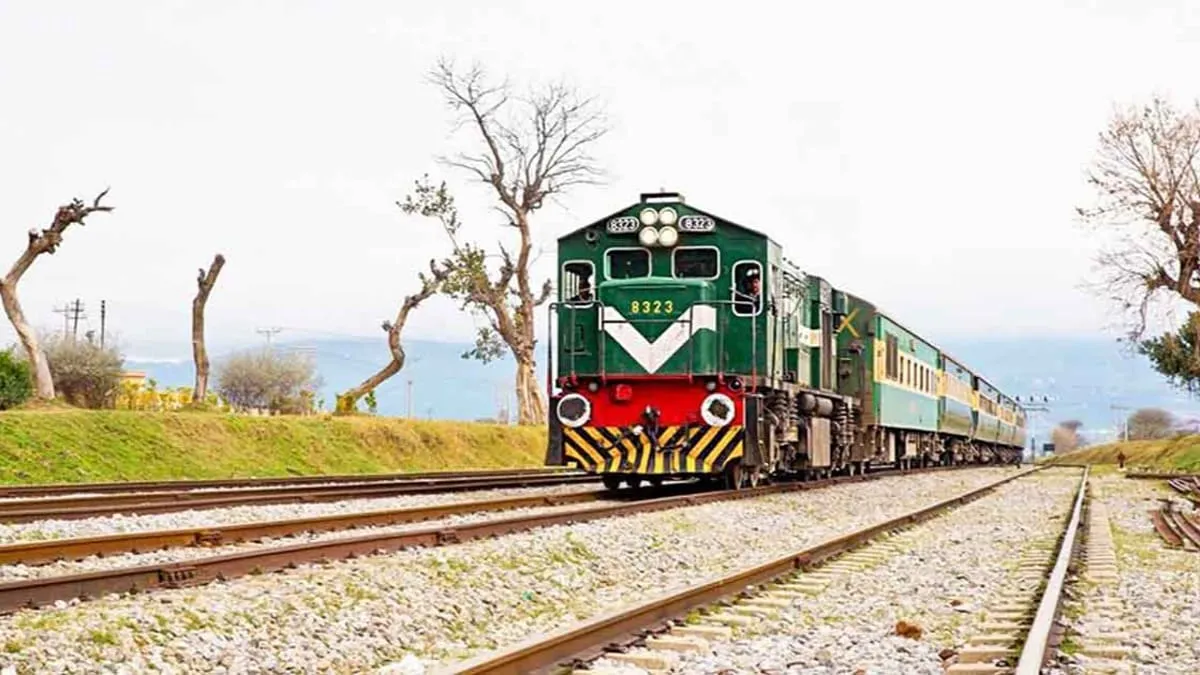
The project covers approximately 996 kilometres of existing railway infrastructure. The current track has long exceeded its operational life, forcing trains to travel at an average speed of only around 30 kilometres per hour.
State authorities consider a complete rehabilitation necessary before the route can safely handle heavy mineral cargo originating from the Reko Diq copper and gold project. Planning Minister Ahsan Iqbal explained that officials delayed the project because they require further details regarding the proposed bridge-financing arrangement with Reko Diq Mining Company.
Details of the $390 Million Bridge Loan Under Review
The government has already approved a $390 million bridge loan from Reko Diq Mining Company to help finance the railway upgrade. This financing carries an estimated annual interest rate of around 6 percent. The government is expected to repay the amount through a single bullet payment scheduled for June 2028. At the agreed financing rate, officials estimate the total repayment could reach nearly $450 million.
However, serious questions have emerged over whether this financing arrangement will remain unchanged if Pakistan decides to ship Reko Diq minerals through Gwadar Port instead of Karachi Port. Officials noted that a change in the export route could require a fresh commitment from the mining company on whether it would continue providing the loan.
Gwadar Route and Regional Mining Developments
Under the original plan, Reko Diq minerals would move through the Nokhandi-Quetta-Rohri railway corridor before finally reaching Karachi. However, authorities are now actively considering Gwadar as an alternative export point. Such a shift would require the Nokhandi-Panjgur-Gwadar road connection to become fully operational.
This development comes as Pakistan increases its focus on the mining sector. Executives from Barrick Gold, Ivanhoe Atlantic, and Minmetals participated in the Pakistan Minerals Investment Forum this week. Meanwhile, a Barrick delegation also met Ahsan Iqbal and discussed the proposed road corridor. The planning minister called for accelerated work on the Nokundi-Gwadar road corridor through coordination among the federal government, the Balochistan government, and mining companies.
He also proposed a joint working group involving the Planning Ministry, National Highway Authority, Balochistan government, and mining companies to address technical requirements, feasibility, financing, and implementation.
History of Multiple Delays and Planning Commission Concerns
The Central Development Working Party previously considered the ML-3 project in June and August. During an earlier review, officials asked the Ministry of Railways to provide a complete picture of its funding needs for the next five years. This included financing from its own resources, Public Sector Development Programme funds, and alternative arrangements outside the PSDP.
The Planning Ministry had earlier given the Rs. 278.62 billion scheme in-principle approval and recommended it for further consideration. The project includes track renewal, rehabilitation of bridges and embankments, replacement of turnouts, and construction of 11 new railway stations between Spezand and Taftan.
During scrutiny of the project, the Planning Commission also noted that the project documents did not clearly explain the level of consultation and coordination undertaken with Reko Diq Mining Company. Only Rs. 250 million has been allocated to the project during the current fiscal year. The Planning Commission warned that failure to secure adequate financing could cause further delays and sharply increase the project's eventual cost, based on previous experience with railway schemes.
Ahsan Iqbal also questioned how Pakistan Railways planned to finance the scheme, as the government cannot meet the entire cost through the Public Sector Development Programme. He directed the Railways Ministry to prepare a consolidated five-year funding plan covering proposed work on ML-3, ML-2, and ML-1. The minister also advised Pakistan Railways to undertake development schemes according to available resources, noting that its development portfolio currently stands at around Rs. 40 billion.
Impact on International Transport Links With Iran and Turkiye
The Quetta-Taftan section forms a vital part of Pakistan's transport corridor connecting with Iran and Turkiye. Pakistan Railways uses the route for both passenger and freight movement toward the two countries. However, the poor condition of the track has sharply reduced railway operations.
Currently, only one or two freight trains per month operate between Quetta and Taftan. The government expects rehabilitation of ML-3 to significantly increase freight traffic. Authorities hope the corridor could eventually handle up to eight sets of freight trains, in addition to other cargo services toward Iran and other countries, which could increase railway revenue.
Broader Funding Struggles Affecting ML-1 and National Mineral Strategy
The ML-3 financing challenge comes as the government continues to search for funds for the much larger ML-1 Karachi-Peshawar railway project. Authorities are considering several financing options. These include a possible Asian Development Bank loan, a lease model led by the Frontier Works Organisation, and using Pakistan Railways land as collateral to secure financing from domestic commercial banks.
Meanwhile, at the Pakistan Minerals Investment Forum, Prime Minister Shehbaz Sharif and Chief of Defence Forces Field Marshal Syed Asim Munir stressed the importance of exporting finished mineral products instead of relying only on exports of raw materials.