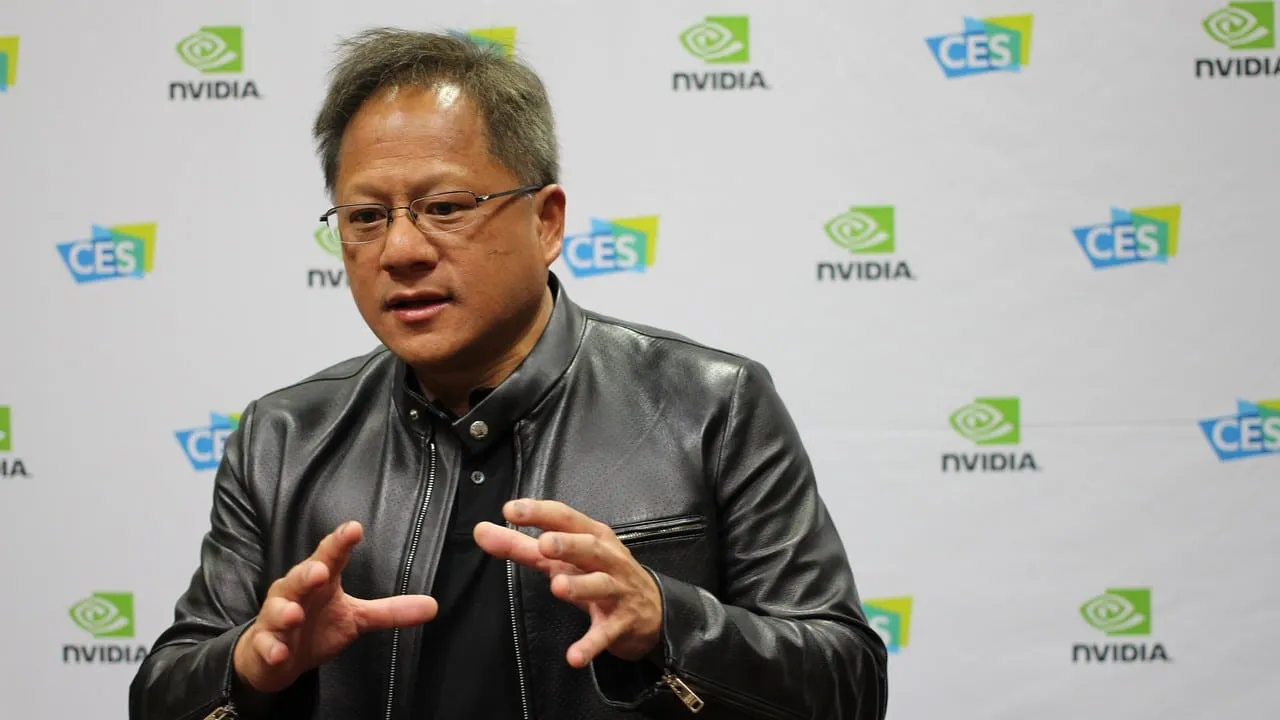
Jensen Huang is considering a return as Nvidia's chief executive just days after he resigned, as allies in Silicon Valley push the company's board to bring him back, the Financial Times reported on Sunday.
Huang has discussed the possibility with confidants even as Nvidia's board investigation into his conduct continues.
One ally told the paper they were putting together a "war room" of tech executives to lobby for his return and would seek support from the White House. The ally said the effort had Huang's backing.
Why Huang Left Nvidia
Huang resigned on November 12 after reports of affairs with a subordinate and with Alice Huang, a former executive at Singapore-based Megaspeed who is suspected of being a Chinese spy.
Megaspeed is under US Justice Department investigation over claims it diverted restricted Nvidia AI chips to China. CFO Colette Kress is now interim CEO.
Support and Resistance to a Comeback
A public letter demanding the board "Bring Jensen Back" has been backed by Elon Musk, Epic Games CEO Tim Sweeney and several Nvidia employees. Major shareholders Altimeter Capital and Atreides Management have urged the board to keep "all options on the table, including the potential return of Jensen Huang."
But the comeback push faces resistance in Washington. US Treasury Secretary Scott Bessent on Sunday called for a "dramatic shake-up" in Nvidia's leadership. Even one person backing the effort admitted that "having an affair with a subordinate is a fireable offense."
Huang, who founded Nvidia in 1993, does not hold a controlling stake and cannot override the board, which has reportedly approached Arm CEO Rene Haas as a possible successor.
This comes ahead of Nvidia's quarterly results on Tuesday, its first since Huang's exit. The chipmaker has reportedly lost more than $1.2 trillion in market value since the scandal broke in late October.
Background on Nvidia's Rise and Governance Structure
Nvidia was founded in 1993 by Jensen Huang, Chris Malachowsky and Curtis Priem. The company grew from a modest graphics card maker into the world's leading supplier of AI accelerators, a status that propelled its market capitalization above $1 trillion during the AI boom of 2023-24.
Corporate governance at Nvidia follows a typical public-company model: a board of directors elected by shareholders oversees senior management, while the chief executive reports to the board. The board can appoint an interim CEO, as it did with CFO Colette Kress, and can also search for a permanent replacement.
Because Huang never built a controlling equity position, his authority rests on board confidence and shareholder sentiment rather than ownership power. This dynamic explains why a coalition of investors and industry figures can influence the board's decision even after his resignation.
Legal and Regulatory Context of the Scandal
The allegations involve two separate issues. First, reports of personal misconduct - an affair with a subordinate - raise questions under corporate policy and potentially under federal employment law, where such relationships can be deemed a fireable offense.
Second, the involvement of Alice Huang, a former Megaspeed executive suspected of espionage, ties the scandal to national security concerns. Megaspeed, based in Singapore, is under investigation by the US Justice Department for allegedly diverting restricted Nvidia AI chips to China, a violation of export-control regulations that prohibit the transfer of certain high-performance computing technology to designated foreign entities.
If the Justice Department's probe confirms illegal chip diversion, the company could face fines, export bans, or forced divestiture of affected assets. The board's ongoing investigation into Jensen Huang's conduct will likely consider whether any of his decisions contributed to the alleged export violations.
Shareholder Reactions and Market Impact
Major institutional investors Altimeter Capital and Atreides Management have publicly urged the board to keep "all options on the table, including the potential return of Jensen Huang." Their statements reflect a belief that Huang's leadership was a key factor in Nvidia's rapid growth and that his departure may have destabilised investor confidence.
Conversely, US Treasury Secretary Scott Bessent's call for a "dramatic shake-up" signals that some policymakers view the board's handling of the scandal as insufficient. The Treasury's stance could influence other regulators, especially given the strategic importance of AI chips to national security.
Since the scandal broke in late October, Nvidia's market value has fallen by more than $1.2 trillion. The decline underscores how quickly investor sentiment can shift when leadership credibility is questioned, especially for a company that commands a large share of the AI-hardware market.
What the Upcoming Quarterly Results Could Reveal
Nvidia is scheduled to release its quarterly earnings on Tuesday, its first financial report since Huang's resignation. Analysts will be looking for clues about the company's operational health, revenue trends in data-center and gaming segments, and any commentary on the board's succession plan.
If the results show strong earnings, it may strengthen the case for Huang's return by demonstrating that the business remains resilient under interim leadership. Weak results, however, could embolden the board to consider a permanent change, especially if investors link performance to leadership stability.
Potential Paths Forward for the Board
The board has reportedly approached Arm CEO Rene Haas as a possible successor. Arm, a leading semiconductor design firm, would bring a different strategic perspective, potentially shifting Nvidia's focus toward broader ecosystem partnerships.
Alternatively, the board could retain Colette Kress as permanent CEO, leveraging her deep knowledge of Nvidia's financial operations. Retaining her would signal continuity but might not satisfy shareholders who view Huang as the visionary behind Nvidia's AI dominance.
Should the "war room" of tech executives succeed in securing White House support, political pressure could tip the balance toward reinstating Huang, especially if policymakers believe his leadership is essential for maintaining US leadership in AI hardware.
Practical Takeaways for Investors and Employees
Investors should monitor the quarterly earnings release, any official board statements on succession, and further developments in the US Justice Department's Megaspeed investigation. These factors will shape Nvidia's short-term stock performance and long-term strategic direction.
Employees, particularly those in R&D and sales, should be prepared for potential leadership changes. A return of Huang could bring renewed focus on aggressive AI product roadmaps, while a new CEO might prioritize operational discipline and compliance.
Overall, the next few weeks will be critical in determining whether Jensen Huang's possible comeback becomes a reality or whether Nvidia embarks on a new leadership chapter.





