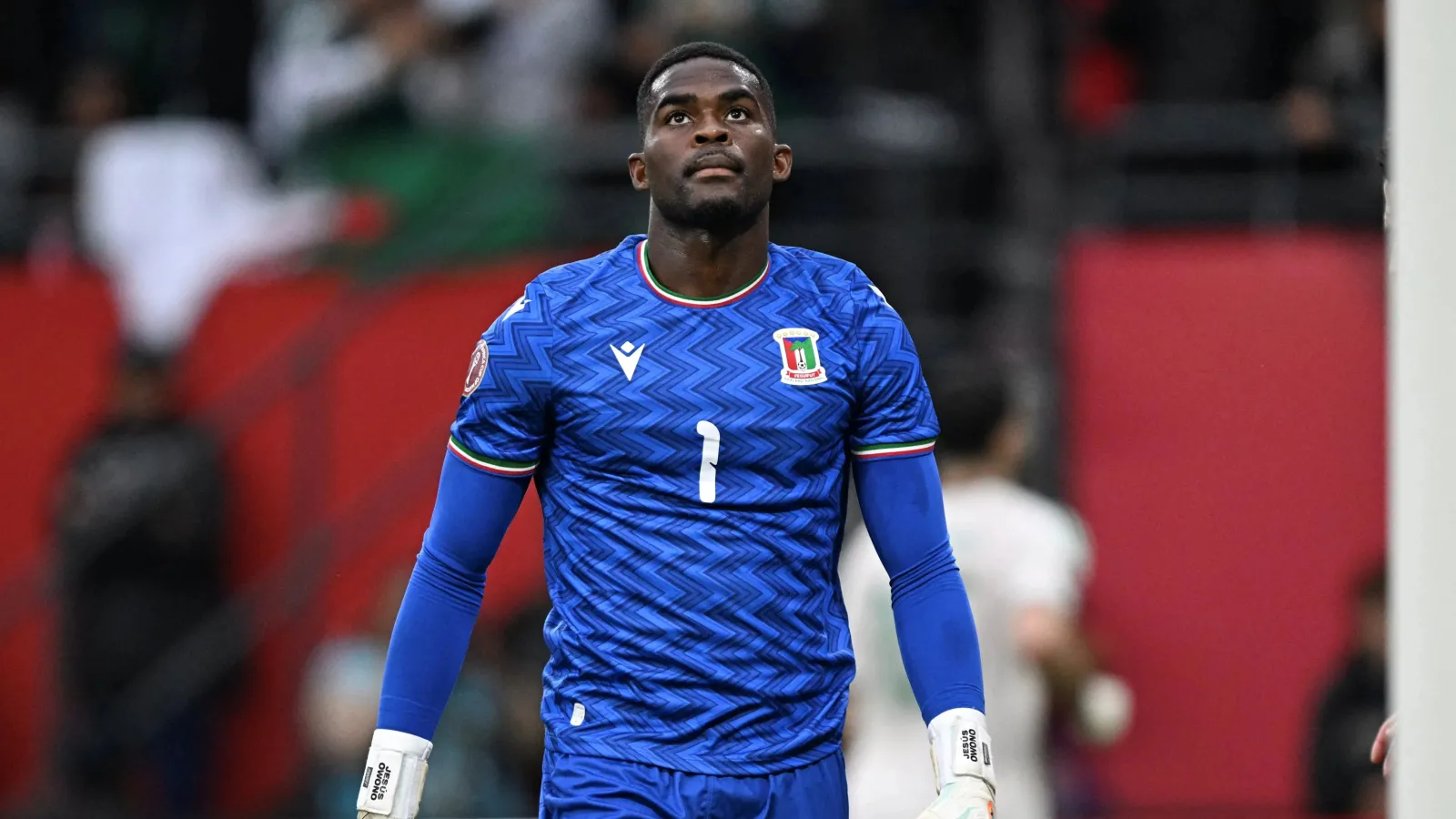
Andorra FC goalkeeper Jesus Owono, 25, was spotted back on the training pitch three weeks after the incident that led to the death of Tenerife striker Jesus de Miguel and a 12-match suspension.
Owono received the ban for a flying knee that struck De Miguel's chest on 2 November, causing cardiac arrest and his death in hospital the following day. The sanction, imposed by the league's disciplinary committee, bars him from 12 official matches but does not carry a criminal charge.
What Happened on 2 November?
During a league match between Andorra FC and Tenerife, a contested aerial ball resulted in Owono leaping and delivering a high-impact knee to De Miguel's upper torso. Medical staff reported immediate cardiac arrest, and despite resuscitation attempts the striker was transferred to a local hospital where he died the next day.
The incident sparked an outpouring of grief across Spanish football, with clubs, players and fans expressing condolences. Marca reported that teammates visited Owono daily, offering emotional support while the club arranged professional counselling.
Why Was Owono Banned for 12 Matches?
The disciplinary panel applied the league's violent conduct regulations, which prescribe a minimum suspension for actions deemed dangerous and reckless. A flying knee to the chest is classified as a serious foul play, and the 12-match period reflects the severity of the outcome - a fatality.
Legal authorities reviewed the case but decided not to pursue criminal charges, citing insufficient evidence of intent. The decision leaves the footballing sanction as the primary punitive measure.
How Is the Club Supporting Owono's Mental Health?
Andorra FC granted Owowo a period of leave immediately after the incident to focus on his mental wellbeing. The club's medical staff arranged regular psychological sessions, and the coaching team coordinated a gradual return plan.
This week, Owono rejoined training but was kept separate from the first-team goal-keeping drills. He participated in general physical exercises, allowing him to rebuild fitness without the pressure of shot-stopping duties.
Training Routine on Return
- Warm-up runs and mobility work.
- Body-weight strength circuits.
- Light ball handling without full-goal scenarios.
- Cool-down stretching and debrief with the sports psychologist.
The approach mirrors best practices for athletes coping with traumatic events, where a phased reintegration helps reduce anxiety and rebuild confidence.
Reactions From Teammates and Opponents
Teammates have been described as "rallying around" Owono, visiting the training ground almost daily. Their support includes shared meals, group talks, and a public statement emphasizing solidarity.
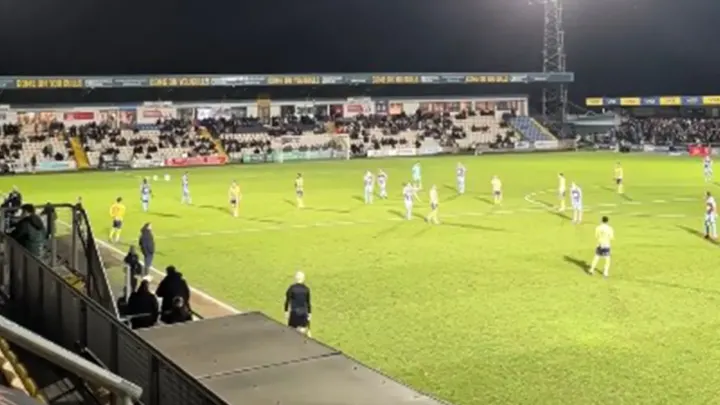
During Andorra's home defeat to Leganés last Friday, Owono was seen sitting in the stands, looking sombre. His presence was noted by spectators and highlighted by local media as a sign of his ongoing emotional struggle.
Owono's Own Words
"These are the most difficult days of my life. I struggle to find the words, and it is very hard for me to come to terms with what has happened. I feel enormous pain over the loss of Jesus. I think of him, his family, and everyone who loved him. I know there will be many issues to address, and I will face whatever comes with the utmost respect. But right now, honestly, I cannot think about anything other than Jesus and the pain we are all experiencing. Rest in peace, Jesus."
The statement, posted earlier this month, underscores the depth of Owono's grief and his acknowledgment of the broader impact on the football community.
What Does This Mean for Andorra FC's Season?
With Owono unavailable for the next 12 league fixtures, Andorra FC will rely on its backup goalkeeper, who has already featured in several matches this season. The club's coaching staff has emphasized that the defensive structure will remain unchanged, but they will adjust set-piece routines to accommodate the new keeper's style.
From a competitive standpoint, the suspension reduces Andorra's options, but the team's recent performances suggest they can maintain a mid-table position if they manage the transition smoothly.
Legal and Regulatory Context
In Spanish football, violent conduct is governed by the Royal Spanish Football Federation (RFEF) disciplinary code. The code outlines categories of fouls, corresponding sanctions, and the appeals process. Clubs may appeal suspensions within ten days of the ruling, but no appeal has been filed in Owono's case.
Criminal investigations are handled separately by civil authorities. In this instance, the prosecutor's office concluded that the act, while reckless, did not meet the threshold for manslaughter under Spanish law.
What to Watch for Next
Owono's reintegration will be monitored closely by the club's medical team. Future updates may include:
- Official confirmation of his readiness to resume full training.
- Potential statements from the RFEF regarding any additional educational measures for players.
- Updates on the family of Jesus de Miguel, including any memorial events organized by Tenerife.
Until then, the focus remains on Owono's mental health, the club's performance without him, and the broader conversation about player safety in high-contact sports.