Pakistan State Oil Reports Major Diesel Theft From Islamabad Pipeline
Pakistan State Oil reported that thieves stole about 49,000 liters of diesel worth Rs. 17.6 million from its main pipeline in rural Islamabad since October 16. The incident highlights ongoing security vulnerabilities in critical energy infrastructure and brings renewed attention to organized fuel theft networks operating in the region.
Police registered a case on a complaint from PSO Sihala Terminal official Mohammad Rahmet Ullah under Pakistan Penal Code Sections 462-B, which deals with pipeline tampering, and Section 34, concerning acts committed with common intent. Authorities are actively pursuing leads to apprehend all individuals involved in the sophisticated operation.
How the Pakistan State Oil Pipeline Theft Was Discovered
According to the first information report, an eight-inch pipeline runs 15 kilometers from the Sihala facilities to Attock Refinery Limited. PSO stepped up surveillance after noticing recurring pressure drops at specific hours each day from October 16.
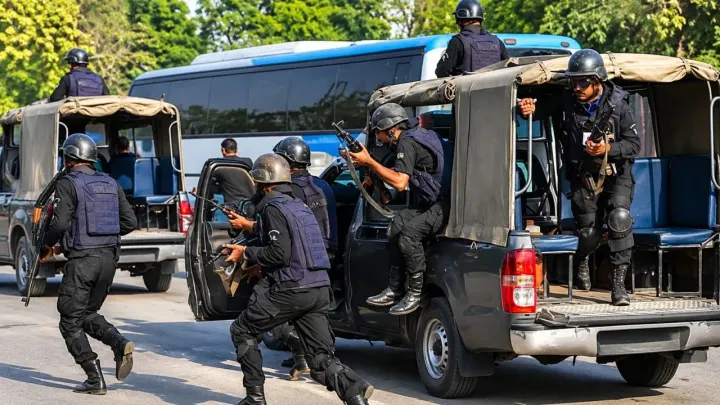
On November 23, PSO guards patrolling the line spotted suspicious activity involving a Shahzore truck fitted with a tank at a Model Town house and alerted police. Officers arrived with PSO security staff, found a man inside, and recovered the truck, a Bolan vehicle, and a motorcycle.
Acting on the man's information, police found a pit beneath a kitchen floor slab containing a high-pressure pipe and nozzle allegedly used to siphon fuel. The man said the pipeline ran along a wall toward a plot. Police dug up the sitting room floor and found a tunnel that he said connected directly to PSO's main line.
Investigators said the man admitted that he and his accomplices had been stealing petroleum products at different locations and times for an extended period.
Context and History of Pipeline Tampering in Islamabad
Fuel theft through unauthorized tapping of transmission lines poses a persistent challenge for energy companies and law enforcement agencies. These illicit operations require specialized technical knowledge to bypass high-pressure systems without causing catastrophic ruptures or detection by standard monitoring equipment.
In October 2024, thieves used a similar method in Humak to steal 302,046 liters of diesel worth more than Rs. 80 million. In July 2026, the Federal Investigation Agency and PSO broke up a separate network near Sihala and arrested two suspects. The network reportedly operated for five to six months and siphoned 20,000 liters of diesel a day.
Legal Framework and Penalties for Pipeline Tampering
The Pakistan Penal Code provides specific legal avenues to prosecute individuals who damage or tamper with critical energy infrastructure. Section 462-B specifically targets the unauthorized tapping, damaging, or interfering with oil and gas pipelines, carrying severe penalties to deter such crimes.
Law enforcement agencies rely on cooperation from corporate security teams, such as those employed by Pakistan State Oil, to monitor vast stretches of remote infrastructure. Quick reporting of pressure anomalies and suspicious movements near rights-of-way remain essential for catching perpetrators in the act.
Security Measures and Future Monitoring by PSO
Energy suppliers continually evaluate electronic monitoring systems, patrol routes, and physical barriers to protect long-distance transport lines. The discovery of underground tunnels and concealed extraction points demonstrates the lengths to which criminal groups go to divert petroleum products.
As investigations continue into the recent Islamabad theft, authorities expect to uncover more details about how the stolen fuel was transported and sold on secondary markets. Public vigilance and continued coordination between police and energy sector security divisions remain central to stopping these underground syndicates.