Jet2 Cuts 240,000 Seats for the Winter Season
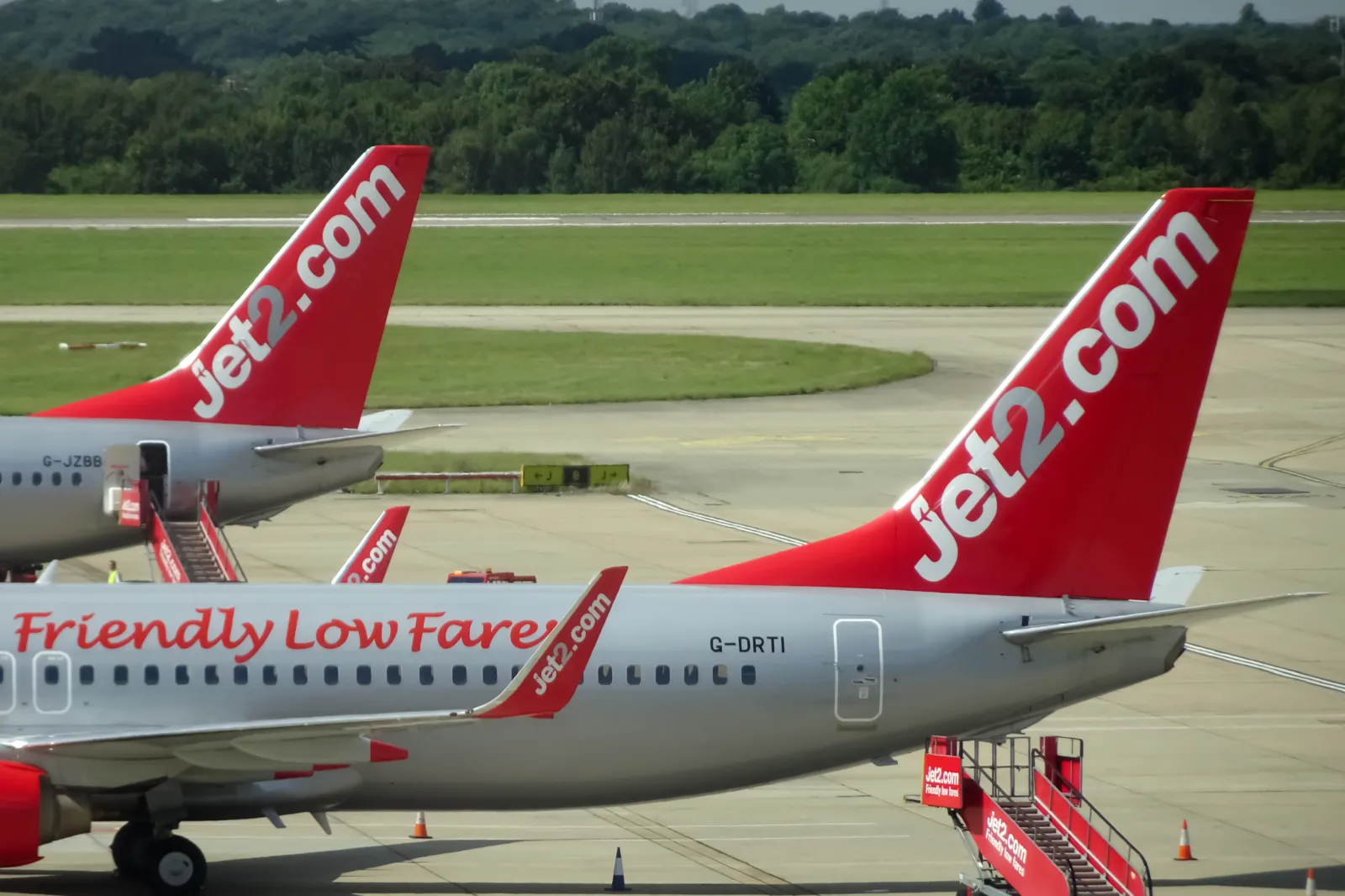
Holidaymakers facing shifting travel plans will find a mix of reduced options and lower prices as major airlines adjust their schedules. Jet2 has scrapped 240,000 seats for this winter, citing high operational costs and shifting market demand. The airline claims that this reduction is in response to elevated unhedged jet fuel forward prices. While the capacity reduction means fewer available flights, the carrier has also reduced fares to help fill its remaining planes, meaning travellers could snap up a cheaper flight if they book strategically.
According to the airline's chief executive, Steve Heapy, the seat reductions do not target specific destinations. Instead, the cuts reflect broader booking trends and increased fuel expenses that have impacted profit margins across the aviation sector. Rather than pulling out of particular airports entirely, the company has trimmed frequency across its network to maintain efficient load factors during the slower winter months.
Understanding the Impact of Jet Fuel Prices on Airline Capacity
Jet fuel represents one of the largest and most volatile operating expenses for any commercial airline. When fuel prices rise unexpectedly, carriers must absorb the costs or pass them on to passengers through higher ticket prices. However, when market conditions prevent ticket price hikes due to fierce competition, airlines often choose to reduce capacity instead. By flying fewer empty planes, companies limit their exposure to expensive fuel.
Airlines use hedging strategies to protect themselves against sudden spikes in fuel prices by locking in rates in advance. When a carrier holds unhedged fuel positions, it remains fully exposed to market fluctuations. The decision by Jet2 highlights the financial pressure placed on operators dealing with elevated unhedged jet fuel forward prices during periods of macroeconomic uncertainty.
How Competitors Ryanair and easyJet Are Cutting Winter Flights
The capacity reductions implemented by Jet2 form part of a wider industry trend affecting low-cost carriers across Europe. Ryanair has reduced its overall winter schedule by around two million seats. These cuts affect several key airports and routes, including services to Brussels South Charleroi, Brussels Airport, and Athens. The airline adjusted its flying program to optimize profitability and manage aircraft utilization through the colder months.
Another major budget airline, easyJet, has axed 1.4 million seats this winter. According to the Financial Times, chief executive Kenton Jarvis said that easyJet would be scaling back capacity over certain months so that it could avoid paying high fuel costs. He added that cutting capacity is something which is happening across all competitors and that it is no surprise given the fuel costs facing the entire aviation industry.
What the Winter Capacity Reductions Mean for Travellers
For passengers planning winter getaways, the reduction in seats across multiple airlines means fewer choices and potentially tighter availability on popular routes. travellers may find that flight times are less flexible than in previous years as carriers consolidate schedules. However, the accompanying drop in fares offered by airlines trying to fill remaining seats presents a financial upside for flexible flyers.
Consumers looking to travel over the winter months should monitor airline pricing closely and book early to secure desired dates. Because airlines are flying fewer total planes, flights that experience high demand could sell out faster than usual. Being open to alternative travel dates or nearby airports can help mitigate the impact of reduced winter capacity.
Jet2 Announces New Routes from Gatwick for Summer 2027
Despite the current winter cuts, the airline is planning to add three new routes from Gatwick next summer, after it started flying from the airport back in March. The expansion demonstrates long-term confidence in consumer demand for leisure travel, even as short-term adjustments dominate the current operating environment. Gatwick serves as a major hub for holiday traffic in the United Kingdom, and adding capacity there strengthens the airline market share in the south of England.
The new routes will be to Dubrovnik in Croatia, Dalaman in Turkey, and Enfidha in Tunisia. All three destinations are popular spots for holidaymakers seeking Mediterranean sun and cultural tourism. The services are all set to start in May 2027, giving travellers plenty of time to plan ahead for their summer holidays.