Jockey Ray Dawson Injured in Abu Dhabi Racing Accident
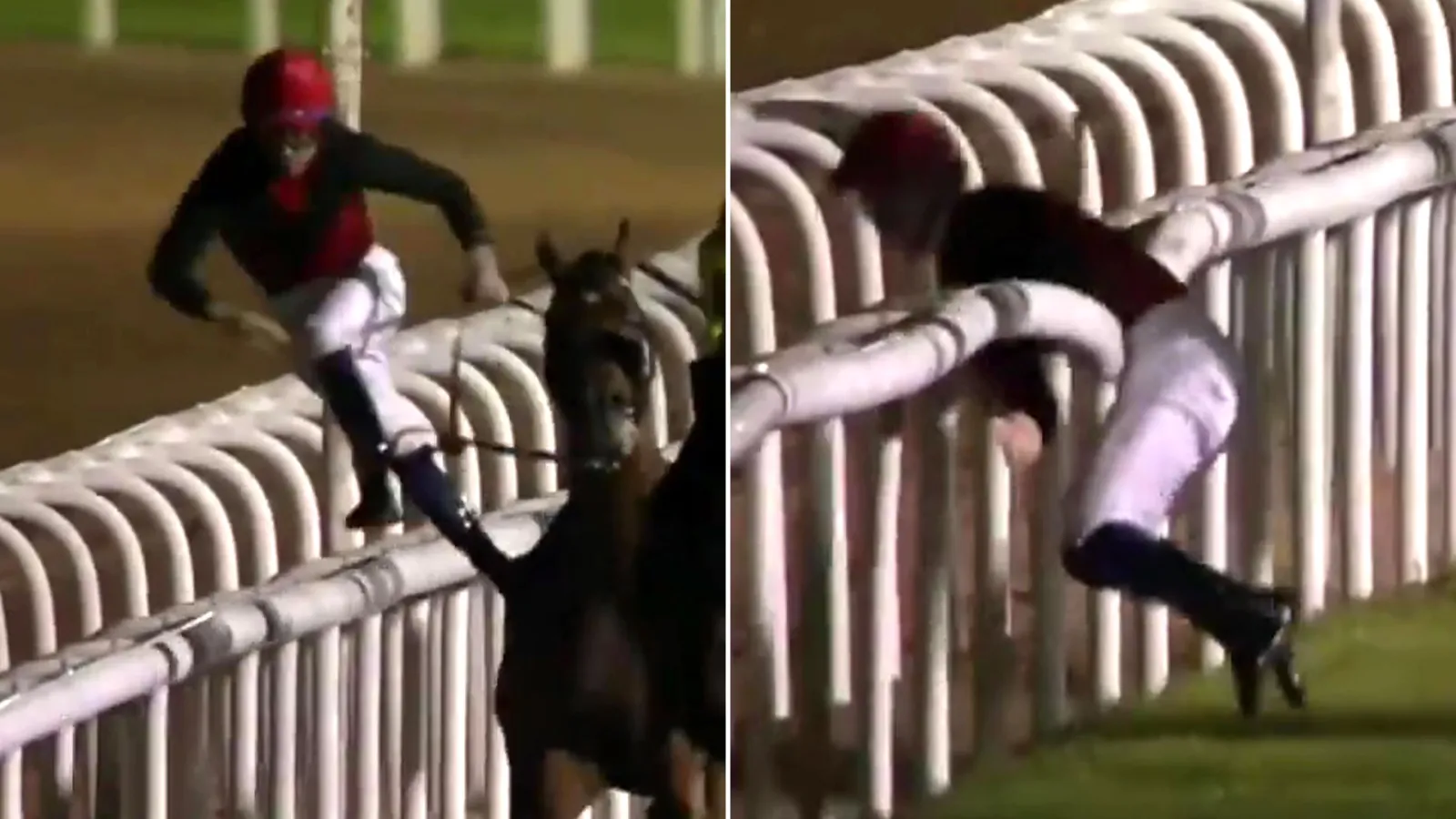
Professional jockey Ray Dawson sustained multiple broken bones in his face following a severe racing accident during the winter season meeting at Jebel Ali. The 33-year-old rider was competing in Abu Dhabi on board Royal Officer, a horse trained by Bhupat Seemar, when the incident occurred last Thursday. Racing enthusiasts and sports followers expressed shock as video footage of the event circulated widely, showing the dramatic moment Dawson was unseated and collided with the track infrastructure.
The accident happened over one furlong out from the end of the race when Royal Officer was tightened for room, stumbled, and dislodged its rider. Dawson landed stomach first onto the top of the plastic running rail, which folded under his weight and broke his fall before launching him back onto the turf. Immediate medical attention was deployed at the scene, and stewards confirmed that Dawson was rushed to hospital for further examinations. Due to the severity of his injuries, he was deemed unsuitable to race in the rest of his engagements for the scheduled day.
Details of the Race Incident Involving Royal Officer
The official stewards report provided specific details regarding the mechanics of the accident on the track. According to the document, the trouble began when Royal Officer experienced a sudden restriction in running space during the heat. The report stated that the gelding was tightened for room, stumbled, and subsequently dislodged its rider. Following the conclusion of the race, a post-race veterinary examination was conducted on Royal Officer to check for any underlying physical issues.
The veterinary check revealed that the gelding was lame in the left-fore leg, offering a medical explanation for the sudden stumble that precipitated the crash. Racing officials document all such incidents meticulously to maintain track safety and welfare standards for both equine and human participants. The combination of the horse stumbling and the subsequent unseating created a high-impact collision between the jockey and the track boundary.
Ray Dawson Confirms Facial Fractures and Praises Track Safety
Following his hospital evaluation, Ray Dawson took to social media to provide an update on his condition to the racing community. Writing on X, formerly known as Twitter, he confirmed the extent of his injuries while expressing gratitude for the modern infrastructure of the venue. Unfortunately I did suffer some broken bones in my face, Dawson wrote in his statement to supporters and colleagues.
Despite the painful outcome, the rider highlighted the crucial role played by modern track design in preventing more catastrophic injuries. He noted that the rails helped soften the blow for sure and added that the plastic material is incredibly important for safety to horses and jockeys. Modern racing circuits increasingly use flexible plastic rails instead of rigid metal or wood to minimize trauma during high-speed collisions.
Ray Dawson Racing Background and British Connections
Ray Dawson has established a notable presence in international racing circuits, spending the winter season competing in the United Arab Emirates. During the 2026/27 season, he has ridden four winners out from 35 rides in Abu Dhabi, demonstrating his competitive edge in demanding conditions. Winter racing meetings in the region attract international talent seeking competitive opportunities outside the standard European calendar.
When riding in Britain, Dawson maintains a strong professional association with prominent Newmarket trainer Roger Varian. This partnership has yielded numerous rides and successes on British turf and all-weather tracks. Experience across different international jurisdictions prepares riders for various track surfaces and race dynamics, though the inherent physical risks remain a constant challenge in professional equestrian sports.
The Importance of Plastic Running Rails in Modern Equestrian Sports
The incident at Jebel Ali underscores ongoing discussions surrounding equine and human safety features at racecourses worldwide. Traditional metal or wooden rails frequently contributed to severe injuries when horses or riders collided with them at high speeds. The introduction of flexible plastic running rails represents a major engineering shift designed to absorb kinetic energy upon impact.
When Dawson landed stomach first onto the top of the structure, the plastic material bent and folded rather than remaining rigid. This controlled collapse absorbs a portion of the force, reducing the likelihood of catastrophic skeletal trauma or internal injuries. Track authorities globally continue to invest in these safety innovations to protect athletes from the dangers inherent in Thoroughbred racing.
Medical Protocols and Convalescence for Injured Jockeys
Professional jockeys face rigorous physical demands and frequent injury risks, necessitating strict medical protocols following any racing incident. When a rider is unseated and transported to a hospital, medical staff conduct comprehensive neurological and orthopedic evaluations. Facial fractures require specialized surgical assessment to determine whether intervention is necessary to restore structural alignment and proper function.
The immediate removal of Dawson from his remaining riding engagements for the day reflects standard racing safety protocols designed to prevent secondary injuries. Concussion checks and physical clearance processes must be completed before any professional rider receives permission to return to competitive action. Recovery timelines for facial bone fractures vary depending on the severity and exact location of the breaks, keeping Dawson sidelined while he heals.





