How Tooth Loss Affects Dementia Risk
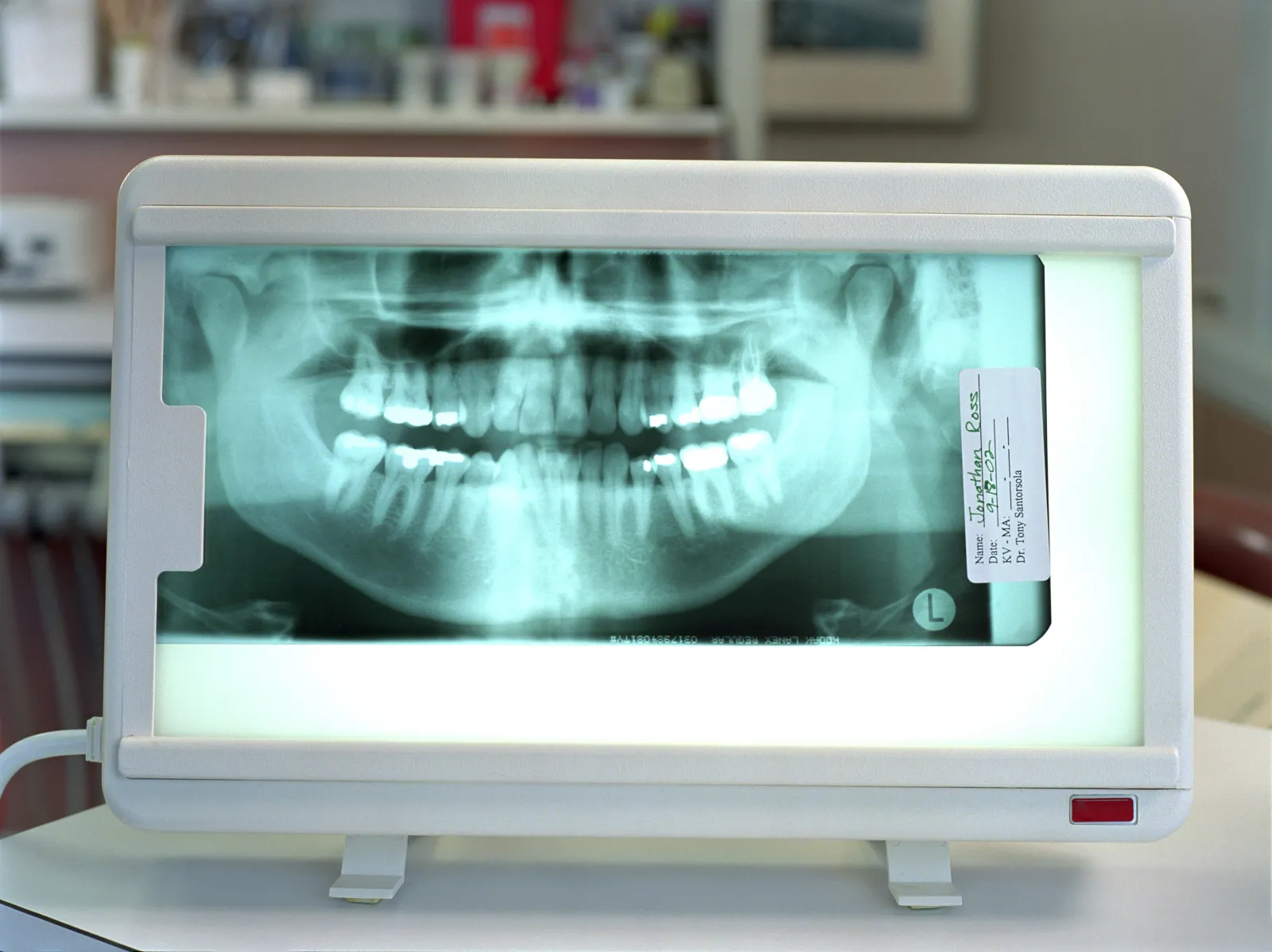
Research has long observed that people's dementia risk can be reduced by avoiding risk factors such as smoking, physical inactivity and drinking too much alcohol. In fact, it is believed there are 14 modifiable risk factors that, if addressed, could help delay or even prevent dementia cases. Up until now, oral health hasn't been one of these, but a new study suggests that dental hygiene may be overlooked. Scientists in Japan have observed that dementia risk increased in people with fewer teeth.
Their findings suggested that people with between 10 and 19 teeth had a 14 per cent higher risk of developing dementia while those with no teeth had a 27 per cent higher risk, compared to those with 20 teeth or more. Writing in the Journal of the American Medical Directors Association, researchers also observed that people with between one and nine teeth had a 12 per cent higher risk of developing dementia. Most adults have between 28 and 32 teeth, depending on whether their wisdom teeth have developed.
What the Study In Japan Discovered
To get to these findings, scientists analysed data from 47,293 adults aged 65 or older in Japan, following participants for around nine years, from 2013 to 2022. Of this, some 8,246, which is 17.4 per cent of participants, developed dementia. They wanted to investigate the extent to which poor oral health, which was measured by people's number of teeth, was linked to dementia and compare this to already established risk factors identified by the Lancet Commission.
Researchers used a statistical method to estimate how much risk factors might contribute to people's risk of dementia, finding that tooth loss could account for up to 7.2 per cent of dementia cases in the study. They said this suggests that globally, tooth loss may account for a greater share of dementia cases than known risk factors such as smoking and low education. The scientists hypothesised that a reason for this could be that having fewer teeth may impact the ability to chew and eat food, thus leading to poor nutrition, which is linked to cognitive decline.
Understanding the 14 Modifiable Risk Factors
A Lancet Commission report on dementia prevention from 2024 has indicated that nearly half of all dementia cases worldwide could be prevented or delayed by addressing 14 modifiable risk factors. The 14 risk factors are:
- Less education
- Hearing loss
- High LDL cholesterol
- Depression
- Traumatic brain injury
- Physical inactivity
- Diabetes
- Smoking
- High blood pressure (hypertension)
- Obesity
- Excessive alcohol
- Social isolation
- Air pollution
- Vision loss
People who live a healthy lifestyle, especially from the age of 40 to 65, are less likely to develop Alzheimer's, the most common type of Dementia, the Alzheimer's Society says. This includes not smoking, not drinking too much alcohol, eating a healthy, balanced diet and keeping both physically and mentally active. Protecting your head from injuries may also potentially reduce the risk of dementia. Unfortunately, there are lots of health conditions that increase a person's risk of developing Alzheimer's.
Connecting Oral Health and Cognitive Decline
Losing your teeth is also linked to social isolation and infrequent social contact, which is another risk factor for dementia. The study noted, however, that the statistical method they used was speculative, meaning their findings don't prove that tooth loss causes dementia, or that preventing tooth loss could prevent dementia. They said that more research on this link is now needed, but called for managing oral health to be included in dementia prevention strategies.
Speaking to Science Alert, scientists concluded: "This study demonstrates that tooth loss makes a substantial contribution to dementia incidence, comparable to major established modifiable risk factors. Together with the growing body of evidence, these findings argue for re-evaluating oral health as a key dementia risk factor and for its inclusion in future updates of the Lancet Commission report."
Global Context and Early Signs of Dementia
The 2024 Lancet report highlighted that nearly half of all dementia cases worldwide could be prevented or delayed by addressing 14 modifiable risk factors. According to the World Health Organisation, 57 million people were living with dementia in 2021. And it is estimated that there are currently around 982,000 people with the condition in the UK, although a third don't have a formal diagnosis.
Different types of dementia can affect people differently, and everyone will experience symptoms in their own way. But some common early signs include memory loss, difficulty concentrating, being confused about time and place and mood changes.