New Streetlights Near Karachi Airport Cause Alarm
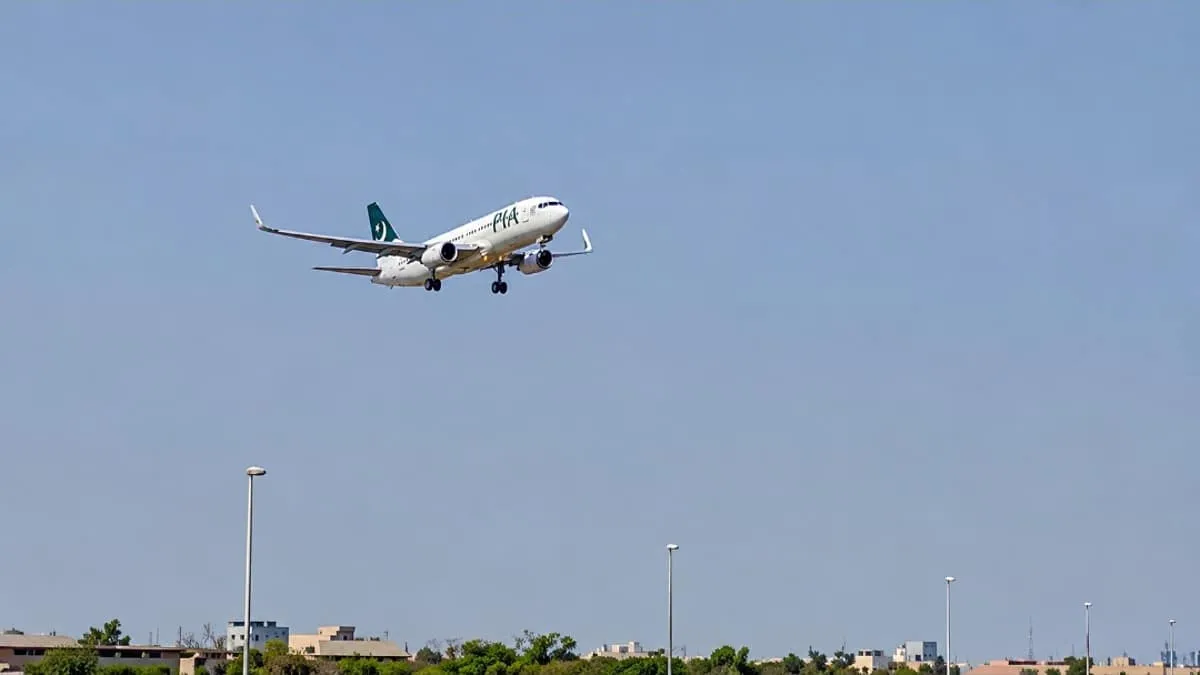
Streetlights installed along a newly constructed road near Jinnah International Airport in Karachi have raised concerns among air traffic controllers, who fear their arrangement could confuse pilots during landing. The newly built infrastructure links Gulistan-e-Jauhar with Sharea Faisal, drawing immediate scrutiny from aviation professionals regarding the specific height and physical positioning of its streetlight poles. According to sources familiar with the matter, the illumination could closely resemble runway or approach lighting when viewed from the cockpit of an incoming aircraft, particularly during night-time operations.
Karachi's air traffic controllers have reportedly raised the issue with the Pakistan Airports Authority, recommending that the height of the poles be reduced and the roadside lights switched off at night. The core worry centers on how the alignment of the lights creates misleading visual cues for flight crews approaching the airport. During night-time landings, pilots rely heavily on a combination of precise navigational instruments and external visual references to identify and safely align with the active runway.
How Streetlights Can Affect Pilot Visual Approaches
Sources said the additional lighting could make it harder for pilots to distinguish airport lighting from surrounding urban illumination, potentially increasing the risk of confusion during the final approach. Urban sprawl and dense city lighting often create a complex background matrix for major aviation hubs located within metropolitan boundaries. When municipal lighting systems are placed too close to flight paths or mimic the color and linear pattern of aeronautical ground lights, they introduce unnecessary visual clutter.
Aeronautical lighting systems, such as approach lighting systems and runway edge lights, follow strict international standards set by aviation bodies regarding color, intensity, and spacing. These standardized patterns guide pilots through the critical transition from instrument meteorological conditions to visual flight references. When unstandardized street lighting aligns with a runway corridor, it risks breaking the visual continuity that flight crews depend upon to judge distance, height, and alignment.
Understanding Jinnah International Airport Operations
Karachi airport already operates amid extensive city lighting, and air traffic controllers have warned that the new row of streetlights could add another challenge to landing operations. As the busiest aviation facility in the region, Jinnah International Airport handles a continuous volume of domestic and international commercial traffic around the clock. Managing nighttime arrivals requires constant coordination between air traffic control personnel and airport ground authorities to maintain safety margins.
Air traffic controllers serve as the primary link between aircraft in flight and ground safety protocols. When local municipal projects introduce elements that could compromise visual approaches, control personnel must evaluate the risk and report deviations to regulatory bodies like the Pakistan Airports Authority. This institutional oversight helps mitigate external hazards before they translate into serious safety incidents during flight operations.
Background on Karachi Infrastructure and Urban Development
The road project connecting Gulistan-e-Jauhar with Sharea Faisal was constructed to ease vehicular congestion and improve transit times across the city. Rapid urban development often places municipal infrastructure in close proximity to critical national assets, including major international airports. Coordinating between municipal civil works departments and aviation authorities remains a complex task in densely populated metropolitan zones.
Historically, urban expansion around aviation hubs has required careful zoning laws and height restrictions for structures and lighting. Municipal bodies typically consult civil aviation regulators during the planning phase of major roadways to prevent conflicts. The emergence of this issue after construction completion highlights the ongoing challenges of balancing urban mobility projects with stringent aviation safety requirements.
Next Steps and Safety Measures for Karachi Airport
The recommendations put forward by air traffic controllers require immediate administrative review by the Pakistan Airports Authority and relevant municipal departments. Reducing pole heights and keeping the lights turned off during night-time hours represent actionable mitigation steps to eliminate the visual hazard. Authorities must weigh these safety recommendations against the intended traffic utility of the newly constructed connector road.
Observers and aviation safety advocates will monitor how local agencies respond to the warnings issued by air traffic control professionals. Resolving the dilemma involves coordination between civil engineers, municipal planners, and aviation regulators to ensure that urban development does not compromise the safety of commercial air travel in Karachi.