Pakistan and China Accelerate Energy Sector Investments
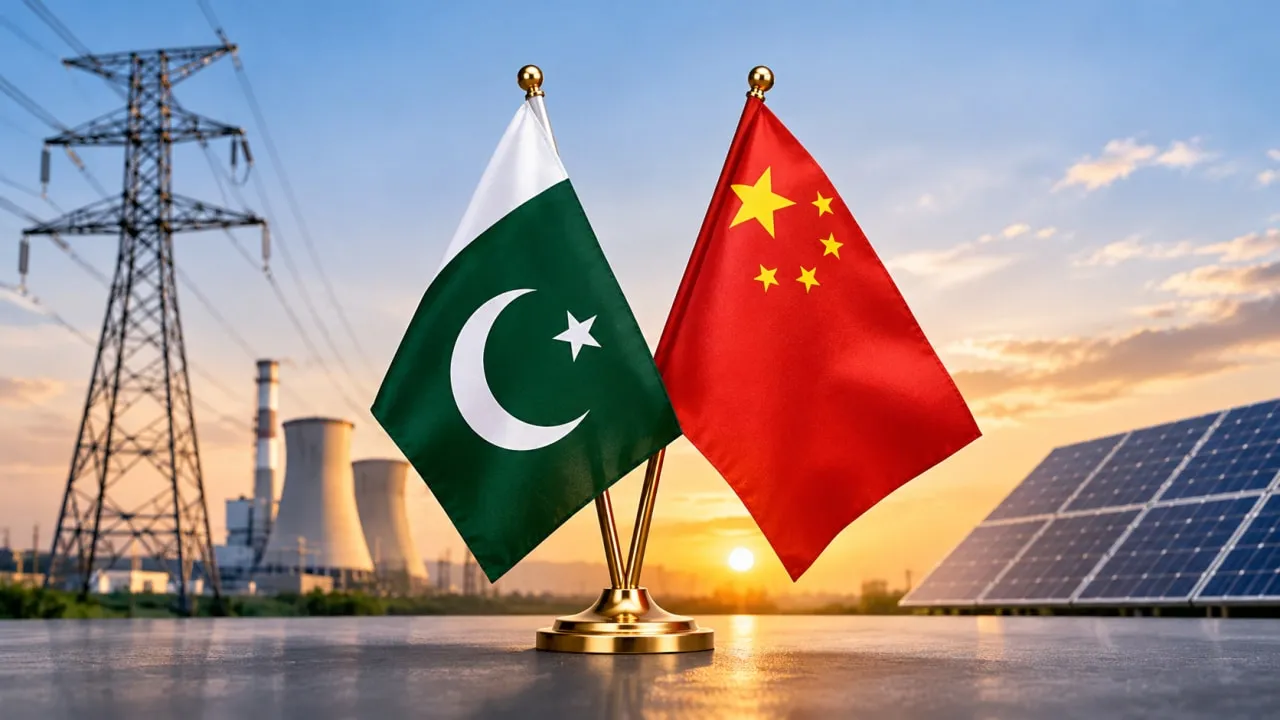
Pakistan and China have agreed to fast-track investment projects in the country's energy sector, including a liquefied petroleum gas plant and petrol import facilities. This strategic decision followed a meeting between Federal Minister for Petroleum Ali Pervaiz Malik and Chinese Ambassador Jiang Zaidong. Both nations aim to strengthen bilateral cooperation in infrastructure and resource management through structured institutional mechanisms.
During the discussions, both sides agreed to establish a Joint Commercial Team to turn investment opportunities into concrete projects, according to a statement shared by the petroleum division. The proposed team will work on advancing commercial cooperation and accelerating the development of the identified energy projects. This initiative marks a significant step in translating diplomatic ties into tangible economic outcomes for both countries.
Establishing the Joint Commercial Team for Energy Projects
The creation of the Joint Commercial Team is designed to streamline bureaucratic hurdles and expedite project execution. By bridging communication gaps between Pakistani authorities and Chinese investors, the team will target specific milestones in the energy sector. Officials expect this dedicated body to handle the logistical and regulatory frameworks required for large-scale industrial projects.
The primary focus of this commercial team remains the rapid deployment of capital into critical infrastructure. Projects such as the planned liquefied petroleum gas plant and modern petrol import facilities require close coordination between state agencies and private stakeholders. The team will monitor progress, resolve operational bottlenecks, and ensure that timelines are met efficiently.
Broader Overhaul of Pakistan Petroleum Sector
The proposed Chinese investment arrives as Pakistan pushes a broader overhaul of its petroleum sector to secure energy independence and modernize outdated infrastructure. In July 2026, the government approved a revamped Brownfield Refinery Upgradation Policy aimed at attracting around $6 billion in investment to modernize the country's five refineries. These facilities include Attock Refinery, National Refinery, Pakistan Refinery, Cnergyico, and PARCO.
Four of these refineries signed upgrade agreements in September, with plans to increase petrol and diesel production. The modernization initiatives also include a critical shift to Euro-V fuel standards and a reduction in furnace oil output to align with environmental norms and market demands. These upgrades represent a fundamental shift in how domestic fuel is refined and consumed across the nation.
Deregulation of the Liquefied Petroleum Gas Market
Alongside refinery upgrades, the government has moved to deregulate the liquefied petroleum gas market to encourage private sector participation and competition. This regulatory change aims to improve supply chain reliability and stabilize consumer prices across different regions. Market participants can now operate with greater flexibility in procurement and distribution.
Demonstrating the early impact of these revised policies, a record 15,000-tonne liquefied petroleum gas shipment arrived in November under revised import guidelines. This substantial import volume highlights the effectiveness of the new regulatory framework in attracting large-scale commodity shipments to meet domestic energy needs.
Historical Context of Pakistan-China Energy Cooperation
Bilateral energy cooperation between Pakistan and China has expanded significantly over the past decade through large-scale infrastructure and power generation initiatives. Previous cooperative ventures focused primarily on electricity generation, coal power, and transmission lines to resolve chronic power shortages in urban and industrial centers. The current shift toward downstream petroleum infrastructure, refineries, and liquefied petroleum gas facilities reflects a maturing economic partnership.
Chinese direct investment has consistently provided crucial financial backing for major capital-intensive projects in Pakistan. By aligning petroleum sector reforms with foreign investment capabilities, authorities intend to build a more resilient energy ecosystem. Both governments continue to review ongoing initiatives to ensure long-term sustainability and mutual economic benefit.
Recent National Milestones in Space Exploration
Amidst diplomatic talks regarding energy infrastructure, Federal Minister for Petroleum Ali Pervaiz Malik also recognized a historic achievement for the nation. The minister congratulated Muhammad Zeeshan Ali on becoming the first Pakistani to travel to space and the first foreign visitor to China's Tiangong Space Station. This milestone represents a new chapter in scientific collaboration and cultural exchange between the two nations.
The acknowledgment of this space mission during high-level diplomatic meetings underscores the multifaceted nature of Pakistan-China relations. While energy and trade remain central pillars of bilateral discussions, scientific and technological achievements receive prominent support from government officials.