Karachi generates more than 14,800 tonnes of rubbish daily, although a large portion of its economic potential stays unutilised due to shortcomings in collection, sorting, and processing. The Sindh Solid Waste Management Board calculates that roughly 42% of the municipality's refuse consists of organic matter. Proper segregation could convert this material into compost or biogas rather than leaving it in open dumping sites.
Inadequate rubbish handling likewise intensifies air pollution problems. Data from the Pakistan Air Quality Initiative 2025 emissions report links about 7% of fine particle pollution, known as PM2.5, in Karachi to the open incineration of waste. Furthermore, ungathered refuse clogs drainage channels and adds to city flooding.
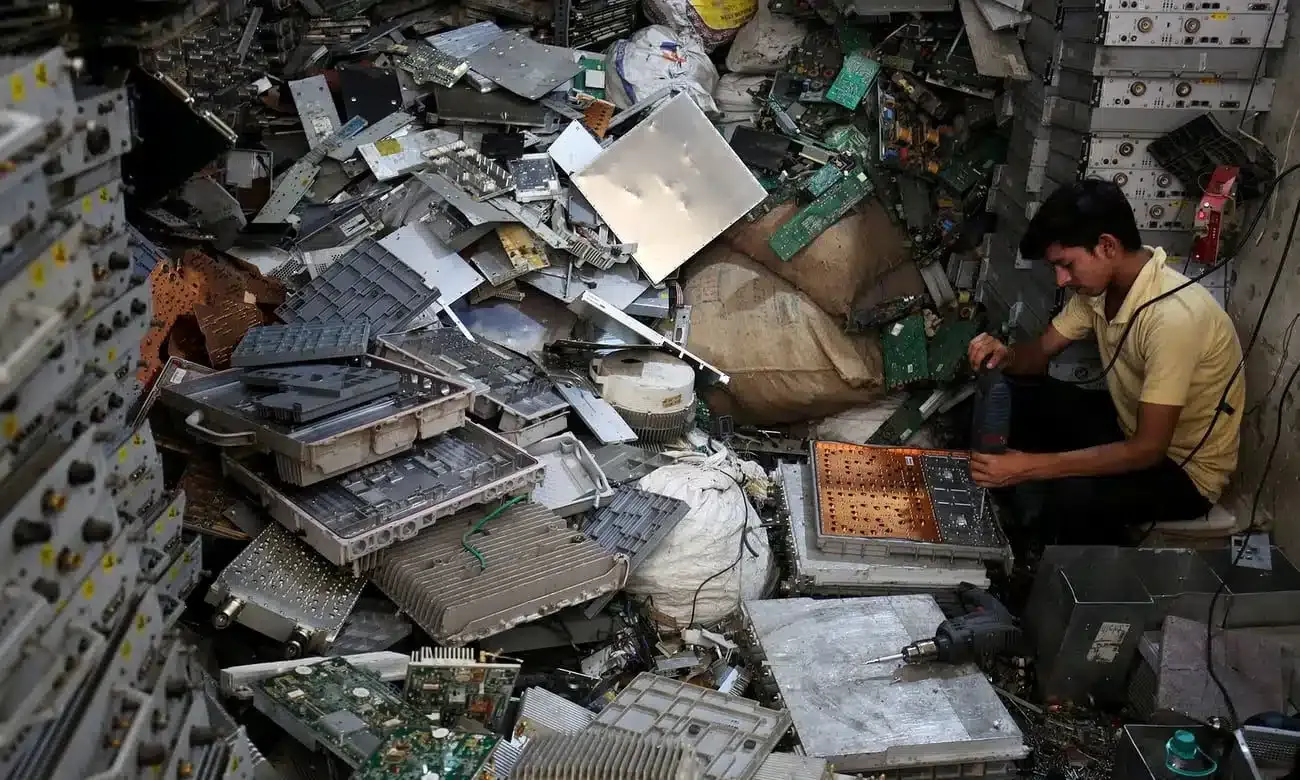
Research from 2023 indicated that informal recyclers salvage about 4,100 tonnes of refuse each day, generating an informal recycling market valued at roughly Rs1.2 billion per year. Enhanced garbage collection, processing plants, and composting operations could decrease pollution while generating employment and revenue. Integrating informal collectors into the official framework might also enhance safety standards and allow Karachi to salvage greater amounts of recyclable items from its expanding refuse volume.