Kemi Badenoch Claims Schools Are Turning Children Against Britain
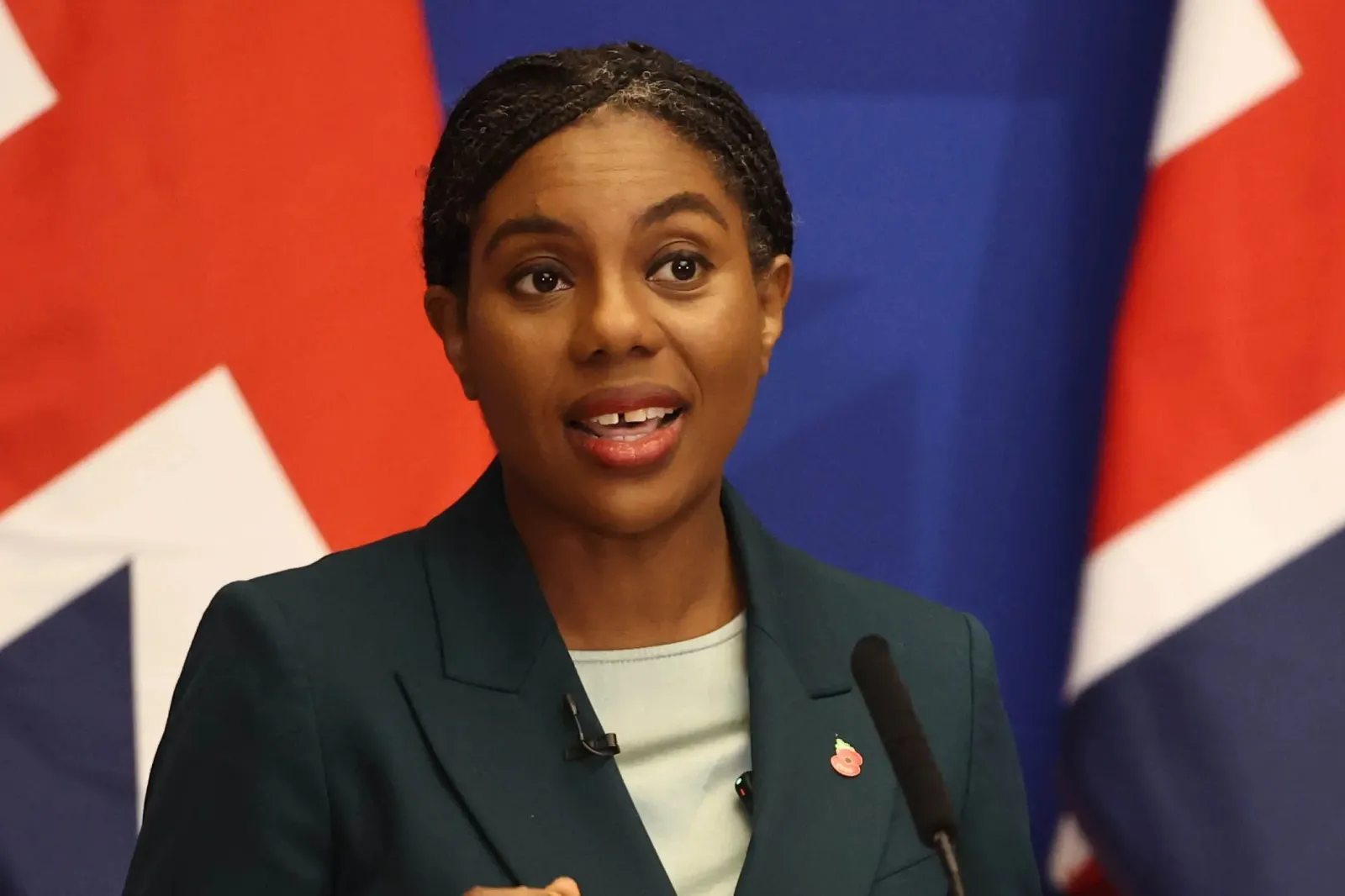
Conservative Party leader Kemi Badenoch has issued a stark warning that schools are driving too many children to hate Britain. She hit out at woke teachers for allegedly brainwashing pupils into refusing to fight for their country. The intervention follows previous criticism from educators regarding how national history is taught in classrooms.
The debate over national identity and educational curriculums remains a central focus for political leaders. Critics argue that contemporary teaching methods fail to foster patriotism and a healthy connection to national heritage. Supporters of traditional educational approaches claim that modern academic trends focus excessively on national flaws rather than achievements.
What Katharine Birbalsingh Said About British History in Schools
The latest political debate follows remarks made last year by Katharine Birbalsingh, who has been branded Britain's strictest headmistress. She stated that schools fail to give pupils a proper sense of British history. Ms Birbalsingh, who runs the Michaela Community School in north west London, also hit out at educational institutions for a failure to instil a feeling of belonging to Britain.
Educational standards and classroom ideologies have become intense political battlegrounds in recent years. Headteachers and school governors face difficult choices regarding how to balance statutory curriculum requirements with cultural and social commentary. Public figures frequently clash over whether schools should actively promote national pride or maintain neutral stances on cultural identity.
Kemi Badenoch on Young People and National Defense
Elaborating on her concerns, Ms Badenoch stated that action must be taken to address why young people feel embarrassed about their country. She questioned what pupils are being taught in their classrooms that leads them to harbour negative views of the United Kingdom. She also expressed broader worries extending beyond the classroom into the adult population.
Ms Badenoch said, "What we need to do is actually tackle the reasons why a lot of young people feel embarrassed about their country and feel that they can't defend their country." She added, "And that's what the work that we're doing as a Conservative Party is on. What are they being taught in their schools that makes them hate the UK? We can see that it's not just young people as well. I'm worried about the adults."
Criticism of the SNP Over Remembrance Sunday
During her critique, Ms Badenoch also pointed to the SNP government using social media at 11am on Remembrance Sunday in a controversial manner. She alleged that the posts had nothing to do with the commemorations but served to thumb their noses at everybody else. Remembrance Sunday is a sacred national event dedicated to honoring military personnel who have died in conflict.
Political tensions between Westminster and devolved administrations often spill over into cultural and historical commemorations. Public figures are expected to maintain solemnity during national days of remembrance. Controversies surrounding official communications during such events frequently provoke strong reactions from opposition politicians.
Conservative Welfare Savings Proposals and Youth Unemployment
The comments from the Conservative leader arrived alongside a major political announcement regarding public finances. The party vowed to make £36 billion of welfare savings as they pledge to cut disability and sickness benefits. This financial overhaul targets government spending amid rising numbers of young people who are not in education, employment, or training.
Statistics show that nearly a million 16 to 24 year olds are currently not earning or learning. However, Ms Badenoch denied blaming young people for being out of work. She stated, "No-one is blaming young people. What we're blaming is the system that has been created where too much money is being spent on welfare and the Government doesn't really want to do anything about it."
Helen Whately on Migrants and the UK Welfare State
Adding to the policy announcements, Shadow Welfare Secretary Helen Whately argued that Britain could no longer function as a cash machine for migrants. She claimed that individuals arrive expecting handouts, healthcare, and a free house. The proposed fiscal strategy includes finding savings of £9.5 billion from ending benefit claims for foreign nationals without EU settled status.
Ms Whately stated, "Our welfare state cannot support everyone who comes to Britain. Migrants come here believing we will give them money, free healthcare, and a house. That has to change." She added, "We cannot be a cash machine for the world." These proposals form part of a wider opposition strategy to reform public spending and tighten eligibility criteria for state support.