Why the Khyber Pakhtunkhwa Wildlife Department Is Relocating Businesses at Saiful Muluk Lake
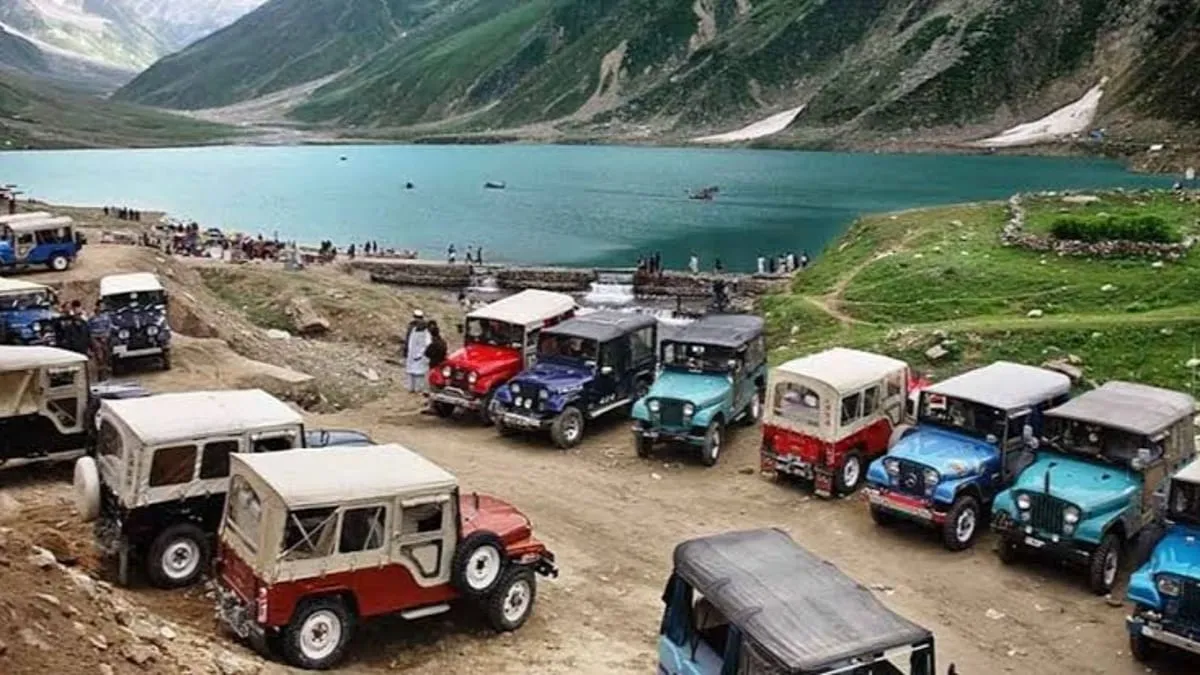
The Khyber Pakhtunkhwa Wildlife Department is taking a major step to protect the environment of Saiful Muluk Lake by relocating shops, restaurants, and a jeep terminal to a designated service area one kilometer away. This decision aims to stop pollution and halt unplanned construction that has long threatened the fragile ecosystem of the region. Environmental authorities noted that hundreds of four-wheel-drive vehicles traditionally park directly along the shores of the lake during the peak tourist season. This heavy vehicular presence, combined with commercial food outlets and retail shops, has severely affected the natural surroundings of the high-altitude water body.
Abdul Rashid Tanoli, Sub-Divisional Wildlife Officer at Saiful Muluk National Park, confirmed that the department has already cleared the existing parking area. Workers have started shifting vehicles and related operations away from the immediate vicinity of the water. Officials emphasize that balancing tourism needs with environmental conservation is critical for preserving the national park for future generations. The influx of visitors brings economic activity to the Kaghan Valley, but unregulated commercial activities have historically caused significant ecological strain.
How the New Service Area Will Operate
To accommodate displaced business owners, the wildlife department is setting up temporary shops and eateries in the new service area. These temporary setups will remain operational until authorities can move them into properly designed, permanent structures. The transition plan involves strict regulatory oversight to ensure that future commercial operations adhere to environmental standards.
As part of this structured approach, the department will issue official licenses to local residents who want to operate businesses within the new service zone. These vendors must follow prescribed standard operating procedures designed to minimize waste generation and prevent further ecological damage. By formalizing local commerce through licensing, authorities can monitor commercial output and enforce cleanliness rules more effectively than in the past.
New Infrastructure and Visitor Facilities Around the Lake
Along with removing commercial clutter from the immediate lakeshore, authorities are developing new walking tracks around the lake. These designated pathways will guide tourists safely through the area while preventing foot traffic from eroding sensitive soil and vegetation. Building these tracks allows visitors to experience the scenery without trampling the natural landscape.
The development project also includes building shelters to protect visitors from the sun and rain. These amenities ensure that public comfort is maintained even as strict conservation rules take effect. The combination of walking tracks and weather shelters aims to create a more organized and pleasant visitor experience within the national park.
Local Business Reaction and Support for Conservation
Hussain Deen, chairman of the Kaghan Valley Hoteliers Association, welcomed the move by the wildlife department. He stated that unplanned construction, heavy vehicle parking, and widespread littering had severely damaged the lake's natural beauty over the years. Local tourism stakeholders recognize that unchecked environmental degradation could eventually deter visitors, making corrective action essential for the long-term viability of the regional tourism economy.
Deen noted that relocating the businesses and the jeep terminal to a designated area could help restore the lake's surroundings to their former state. He also urged visitors to avoid littering because Saiful Muluk Lake lies within a protected national park. Community cooperation remains a vital component of the ongoing efforts to keep the area clean and environmentally stable.
Understanding the Ecological Significance of Saiful Muluk National Park
Saiful Muluk Lake is one of the most famous tourist destinations in Pakistan, drawing thousands of travelers every year due to its striking blue waters and surrounding mountain peaks. Because the lake sits high in the Kaghan Valley within a designated national park, it hosts unique local flora and fauna that require specialized protection. Human activity, particularly vehicle emissions and improper waste disposal, poses a direct threat to the local habitat and water quality.
National parks operate under specific legal frameworks designed to protect natural resources from commercial overexploitation. The recent actions by the Khyber Pakhtunkhwa Wildlife Department align with broader mandates to enforce conservation laws in sensitive ecological zones. Wildlife officials continue to monitor the area closely to ensure that tourism activities do not compromise the environmental integrity of the park.