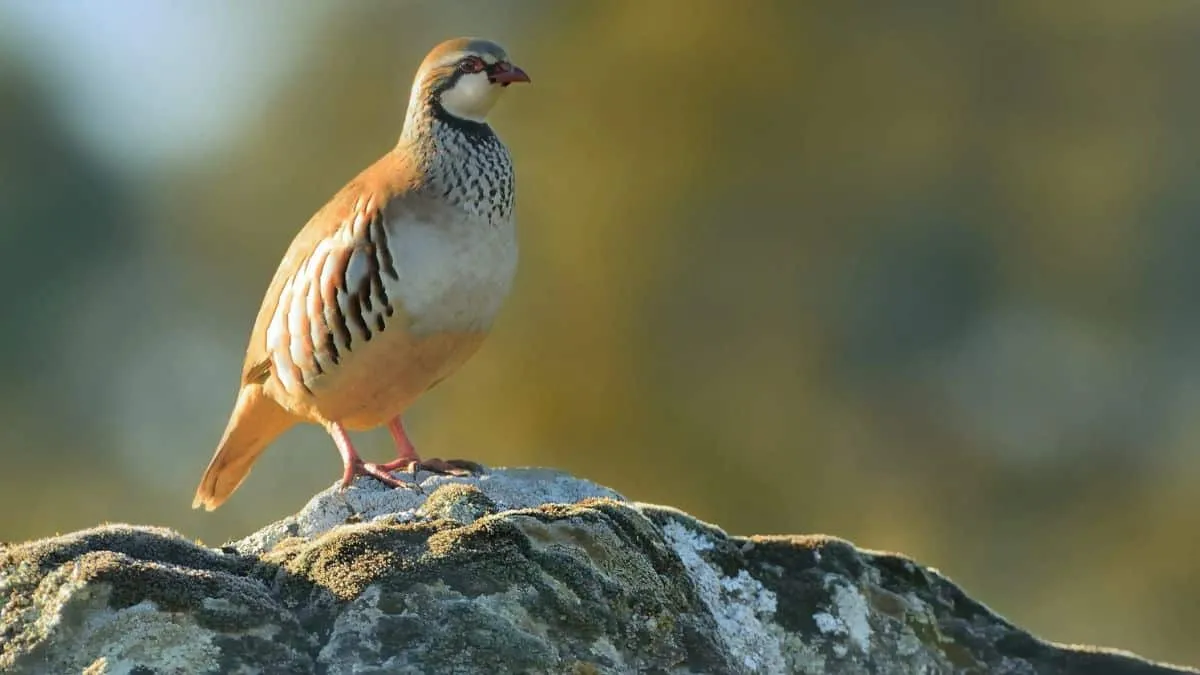
Khyber Pakhtunkhwa Wildlife Department Opens Partridge Hunting Season
The Khyber Pakhtunkhwa Wildlife Department has allowed partridge hunting in designated game reserves across the province from November 15, 2026, to January 11, 2027. This decision marks a significant development for outdoor sportsmen and conservation groups in the region who look forward to the cooler months for regulated shooting activities. However, hunters can only hunt in game reserves that the provincial government has officially opened for the season, meaning individuals cannot simply venture into any natural habitat without checking official boundary maps and notifications.
The regulatory framework surrounding wildlife management in Khyber Pakhtunkhwa balances recreational opportunities with the necessity of animal preservation. Authorities design these specific dates to align with the biological cycles of the local fauna, ensuring that reproduction periods remain undisturbed. By channeling hunting into controlled zones, the department aims to maintain accurate records of animal numbers while permitting traditional outdoor pursuits under strict supervision.
Four Partridge Species Included in the Season
According to the notification, the department has allowed hunting of four bird species during the permitted period. These include the Chukar partridge, Black partridge, Grey partridge and See-See partridge. Each of these species holds a distinct place in the local ecosystem and varies in population density across the different geographical terrains of the province.
Hunting will remain restricted to designated game reserves. Hunters will also need a special permit issued by the Wildlife Department. These measures ensure that the harvest of wild birds does not exceed sustainable thresholds, keeping populations stable year after year.
Shooting Licence Mandatory for All Hunters
The department said only hunters with a valid shooting licence can obtain a special hunting permit. Therefore, anyone without both a valid shooting licence and a special permit will not be allowed to hunt partridges. This two-tier credential system ensures that every participant undergoes background checks and complies with provincial firearms and wildlife acts before stepping into a reserve.
The Wildlife Department will also regularly monitor partridge populations in the game reserves to protect bird numbers and support conservation efforts. If monitoring shows a decline or other concerns over the population of the birds, the department may suspend the issuance of special hunting permits. This adaptive management strategy allows officials to react swiftly if environmental factors, harsh weather, or over-harvesting threaten local flocks.
Understanding Game Reserves and Conservation in Khyber Pakhtunkhwa
Game reserves function as protected tracts of land where human activity is strictly regulated to safeguard native fauna. In Khyber Pakhtunkhwa, these areas serve as critical strongholds for game birds and mammals alike. The provincial wildlife administration oversees these zones, employing wardens and field staff to patrol boundaries, check permits, and deter poachers who operate outside the legal framework.
Conservation science relies heavily on continuous field data. Field officers count birds, assess habitat health, and record environmental changes. When hunters purchase permits, the revenue generated often flows back into conservation budgets, funding anti-poaching patrols, habitat restoration projects, and community awareness programs that benefit both wildlife and rural populations living near the reserves.
KP Previously Lifted Ban on Quail Hunting
Earlier, the Khyber Pakhtunkhwa government also lifted its ban on quail hunting. The Chief Conservator of Wildlife KP allowed hunters to hunt both common quail and rain quail under revised rules. This preceding policy shift demonstrated the administration's willingness to review seasonal restrictions as bird migration patterns and local populations fluctuate.
According to a communique issued by the KP Wildlife Department, authorities have set a daily bag limit of eight quails per hunter across the province. The Chief Conservator introduced the new conditions through official order number 58. The communique also stated that the department amended an earlier order dated August 31 concerning quail hunting.
Under the revised rules, only licensed hunters can hunt quails. They must also remain within the areas and limits designated by the authorities. The Chief Conservator has directed wildlife officials to strictly enforce all hunting rules and regulations across all districts.
Rules, Regulations, and Enforcement by Wildlife Authorities
Enforcement remains a cornerstone of wildlife management in the province. Field officers possess the authority to inspect permits, check bag limits, and confiscate equipment from violators who ignore statutory guidelines. By enforcing these rules rigorously, the department maintains order and ensures that law-abiding sportsmen enjoy a fair and organized season without undue disruption.
Hunters must familiarize themselves with all legal requirements before heading into the field. Carrying both a valid shooting licence and the specific departmental permit is mandatory at all times during outdoor expeditions. Failure to produce these documents upon request by wildlife rangers leads to heavy fines, legal penalties, and potential bans on future permit applications.





