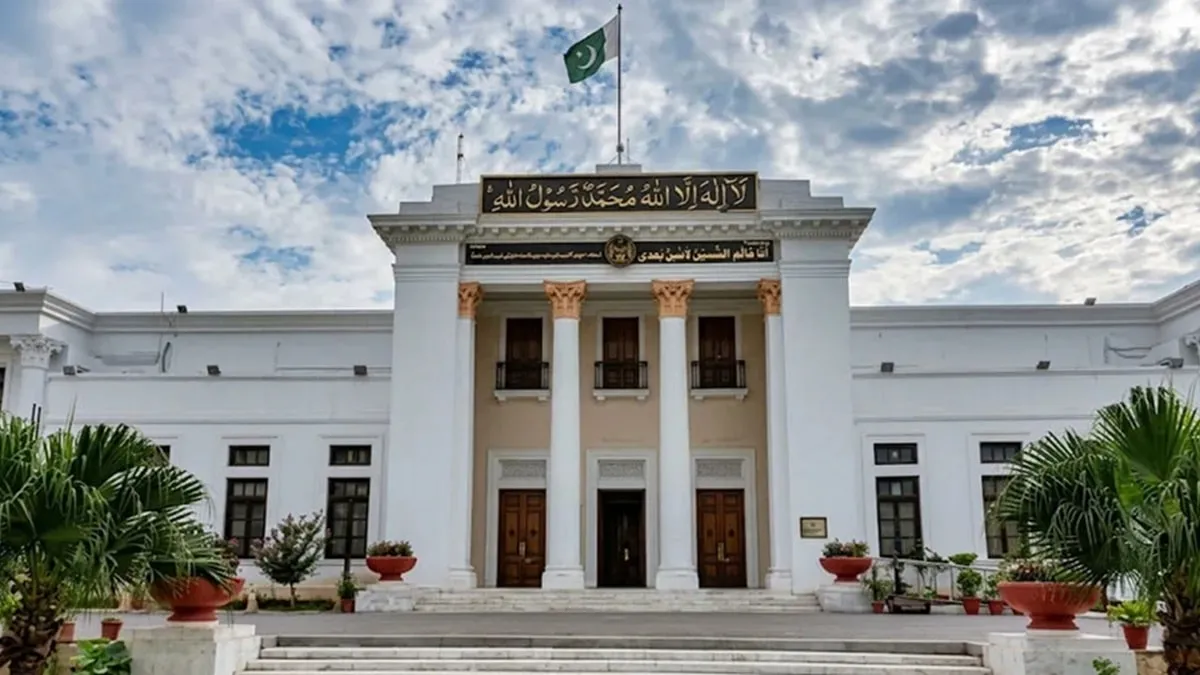
Why KP Lawmakers Received Salaries Despite Assembly Suspension
Salaries have been transferred to the bank accounts of suspended Khyber Pakhtunkhwa Assembly members and employees despite the ongoing emergency and governor's rule in the province. According to reports, lawmakers and assembly staff have received their salaries through direct bank transfers, even though the KP Assembly remains suspended and its secretariat has been closed since October 11. The assembly members have also remained suspended since the imposition of governor's rule.
This financial transaction raises important questions about administrative procedures during a constitutional suspension. While legislative duties are currently halted, public sector payroll systems often operate under specific legal frameworks that protect baseline compensation unless explicit legal steps halt disbursement. Observers and citizens are paying close attention to how state funds move while regional governance undergoes federal intervention.
The continuity of salary disbursements highlights the bureaucratic mechanisms governing provincial institutions during political crises. Public administration protocols dictate that regular payroll runs continue automatically unless halted by specific executive orders or judicial directives. Understanding these administrative realities helps clarify why funds reached accounts despite the physical closure of the assembly building.
When Was Governor's Rule Imposed in Khyber Pakhtunkhwa?
President Asif Ali Zardari signed the summary for imposing emergency and governor's rule in Khyber Pakhtunkhwa on October 11, 2026, following approval from the federal cabinet. This decisive action altered the political landscape of the province, shifting executive authorities and halting normal legislative proceedings. The formal signature initiated a period of federal oversight designed to address acute administrative or political friction within the region.
The timeline leading up to October 11, 2026, involved intense deliberations at the federal level. Cabinet members reviewed security and administrative reports from the province before endorsing the summary. President Zardari then exercised his constitutional powers to enact the decree, bringing the provincial administration directly under emergency protocols.
Following the presidential signature, provincial institutions adjusted to the new administrative reality. Officials sealed offices, halted normal committee meetings, and suspended regular parliamentary debates. Yet, despite these sweeping closures, financial systems linked to employee compensation continued functioning according to pre-established routines.
What Happens to the KP Assembly Secretariat During Emergency?
The KP Assembly secretariat has been closed since October 11, marking a complete pause in parliamentary administration. Administrative staff and legislative aides found their workplaces locked as emergency protocols took effect across the provincial capital. This closure extends to all departments responsible for drafting bills, managing committee rooms, and handling constituent correspondence with lawmakers.
Closing the secretariat represents a visible sign of legislative suspension. Civil servants working within the assembly complex were ordered to stay home or report to alternate transitional offices designated by the federal administration. Despite this physical shutdown, financial operations managed remotely or through automated banking channels ensured that payroll data was processed on schedule.
The maintenance of secretarial closures alongside remote salary processing demonstrates the split between physical facility management and digital financial infrastructure. While desks remain empty and halls dark, automated banking protocols executed salary transfers without requiring physical presence inside the assembly building. This dichotomy points to the reliance on electronic systems in modern public administration.
How Direct Bank Transfers Processed Salaries for Suspended Staff
Lawmakers and assembly staff have received their salaries through direct bank transfers, bypassing the need for physical signatures or open office counters. Modern government accounting relies on electronic funds transfer systems connected directly to designated financial institutions. These automated clearing processes operate on fixed monthly schedules unless a freeze is formally ordered by authorized financial controllers.
The use of direct bank transfers ensures that employees and elected officials receive their financial entitlements without administrative bottlenecks. In this specific case, the absence of a formal stop-payment order from financial authorities meant the payroll script executed normally. Consequently, funds moved from state accounts into personal bank accounts exactly as they would during any regular month.
Financial transparency advocates note that automated payroll systems reduce cash handling risks but can create friction during sudden political transitions. When an assembly is suspended mid-month, aligning automated disbursement schedules with new legal realities requires rapid administrative intervention. Without explicit instructions to halt payments, the software completes its designated tasks automatically.
Background on Emergency Rule and Provincial Governance
Emergency powers and governor's rule represent extraordinary constitutional measures within the legal framework of the nation. These provisions are invoked only during severe political crises, administrative deadlocks, or security emergencies that threaten normal government functioning. When enacted, the provincial governor assumes executive powers on behalf of the federal government, while the provincial assembly is suspended or dissolved.
Historical precedents show that periods of governor's rule typically involve complex legal questions regarding the status of elected representatives. While legislative powers are frozen, debates persist among legal scholars regarding the entitlement of lawmakers to receive allowances and salaries during their suspension. These discussions focus on balancing accountability to taxpayers with statutory protections guaranteed to elected officials.
The current situation in Khyber Pakhtunkhwa adds to the documented history of federal interventions in provincial affairs. Citizens and political analysts review these events to understand the limits of executive power and the protection of institutional budgets. As the province remains under this extraordinary administrative setup, all eyes remain on federal and provincial authorities for the next official announcements.





