Labour is backing a new probe into why white working-class children are falling behind before they even start school.
What is the new inquiry and who is leading it?
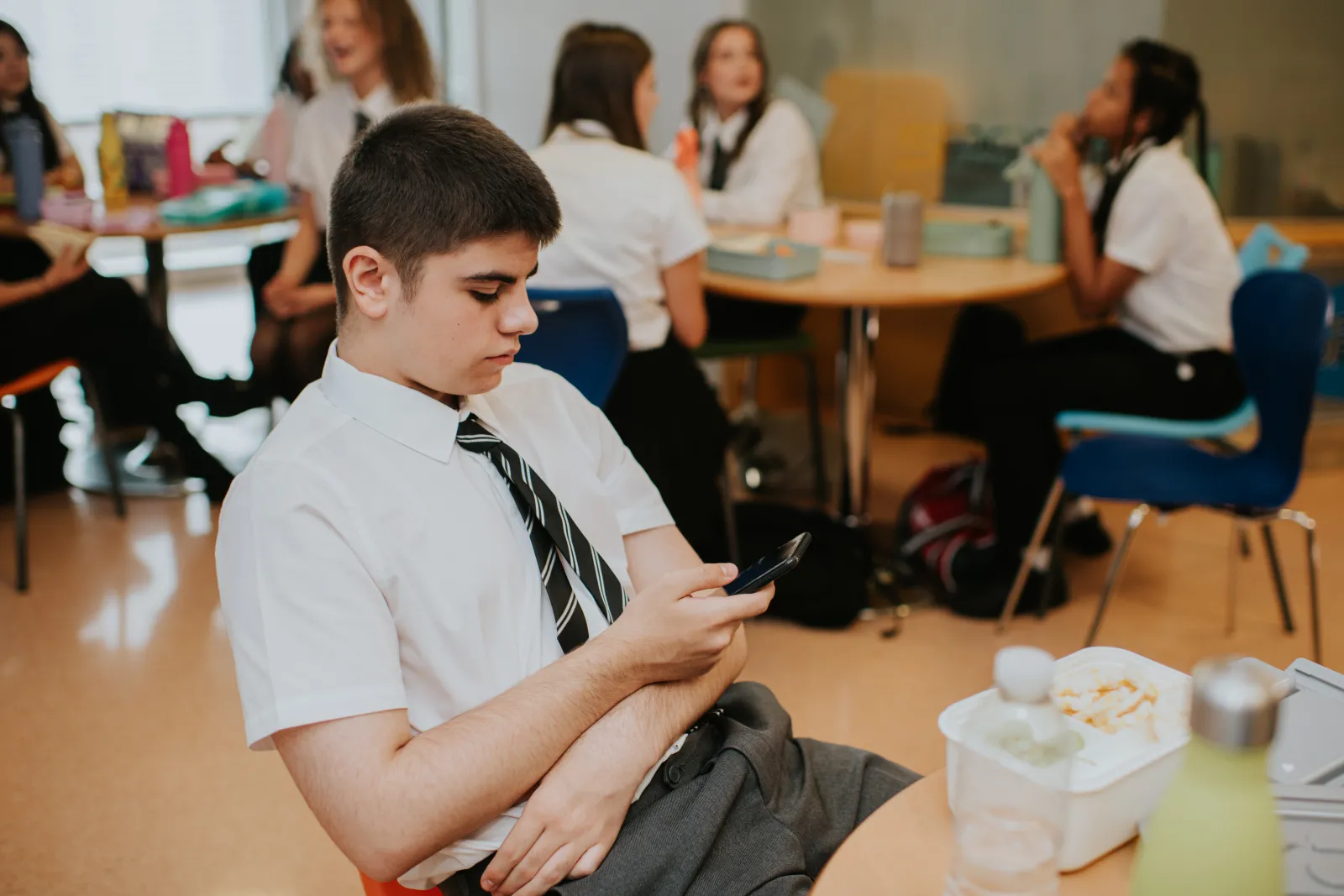
The inquiry, launched by the think-tank Public First, will examine how the life chances of white working-class pupils can be improved from the moment they step into primary school until they leave further education or enter the labour market. The study will be split into two strands. One strand will focus on the first two years of primary education, looking at how schools can better support children as they begin their formal learning journey. The second strand will analyse the transition period for 14- to 19-year-olds, seeking ways to engage them more effectively and help them progress into further education, training or work.
Both strands will be carried out by working directly with pupils, parents and teachers, ensuring that the evidence base reflects lived experience as well as academic research.
Why is Labour interested now?
Education Secretary Lucy Powell said: "Too many white working class children are falling behind at every stage of their education. That is why I am backing this independent inquiry to get to the heart of the barriers holding children back, from their first steps into school, through to the opportunities and choices they have as teenagers into further study, training or work." Powell's comments echo a broader Labour agenda that seeks to address educational inequality beyond the traditional focus on ethnicity or socioeconomic status alone.
Baroness Morris, co-chair of the inquiry, added: "Our report on white working class educational achievement clearly highlighted the extent of the challenge and consequences of failing to do anything about it. We can't stop there. Our next phase of work will be led by experts in the field and will consider what needs to be done." The reference to a previous report indicates that this inquiry is a continuation rather than a stand-alone exercise.
How does the inquiry differ from previous evidence-led reforms?
Shadow Education Secretary Laura Trott responded sharply, saying: "If Labour are serious about improving the outcomes for white working class children, they wouldn't have taken a sledgehammer to the evidence-led reforms that have seen school standards improve." Trott warned that Labour's approach could "dumb down standards" and hurt the most disadvantaged learners.
The debate highlights a tension within UK education policy: the balance between raising overall standards through rigorous assessment and tailoring support for specific groups that may be under-performing. Labour's inquiry seeks to identify whether the current one-size-fits-all model overlooks particular barriers faced by white working-class families, such as geographic isolation, limited access to early years provision, or cultural expectations around schooling.
What data underline the problem?
In a separate piece written by Lucy Powell, she cites stark figures: a quarter of white working-class children say they rarely or never enjoy school, and only 36 per cent pass English and maths GCSEs at age 16. These outcomes are well below the national average, which stood at 68 per cent for English and maths in 2023.
The data suggest that the issue is not a lack of talent or parental ambition, but a mismatch between the curriculum, teaching methods and the lived realities of these pupils. Powell argues that the first three years of secondary school - known as Key Stage 3 - should be preserved as a distinct learning phase rather than being compressed to accelerate GCSE preparation.
What reforms are being proposed?
Powell outlines a series of curriculum reforms aimed at making subjects more relevant and engaging. The reforms will introduce practical skills, financial literacy, sport and enrichment activities into the core curriculum. Schools will no longer be able to cut Key Stage 3 short to start GCSE courses early, a practice that critics say narrows the breadth of education for younger pupils.
By keeping Key Stage 3 intact, the government hopes to give children a broader foundation, allowing them to discover interests and develop confidence before the pressure of high-stakes exams begins.
How will the inquiry be conducted?
Public First will employ a mixed-methods approach. Quantitative analysis will draw on national datasets such as the National Pupil Database, the School Census and GCSE results broken down by ethnicity and socioeconomic indicators. Qualitative research will involve focus groups with pupils, interviews with parents, and workshops with teachers across England.
The inquiry will also map the distribution of early years provision, after-school clubs and vocational pathways to see whether geographic gaps contribute to the disparity. Findings will be published in a report expected by mid-2025, with recommendations for policy, funding and school practice.
What are the next steps for policymakers?
Once the report is released, Labour says it will use the recommendations to shape its education platform ahead of the next general election. The Department for Education (DfE) will be expected to respond within 60 days, outlining which recommendations will be adopted, amended or rejected.
Parliamentary committees, including the Education Select Committee, are likely to hold evidence sessions with the inquiry's experts. Stakeholders such as the National Union of Teachers, the Association of School and College Leaders and parent advocacy groups have signalled they will submit written evidence during the consultation phase.
What does this mean for families and schools?
For parents of white working-class children, the inquiry promises a voice in shaping policy that directly affects their children's prospects. Schools may receive additional guidance, resources and professional development to implement the new Key Stage 3 standards and the broader curriculum reforms.
Employers and further-education providers could also benefit from a better-prepared pipeline of young people with practical skills and clearer pathways into apprenticeships or higher education.
What should readers watch for?
Key dates to monitor include the publication of the interim findings (expected early 2025), the final report (mid-2025) and the DfE response (within 60 days of the final report). Media coverage will likely focus on any controversial recommendations, such as changes to exam timetables or funding allocations for early years services.
Readers should also keep an eye on statements from the opposition, particularly from Shadow Education Secretary Laura Trott, who may use the inquiry's outcomes to critique Labour's broader education agenda.
Overall, the inquiry represents a focused attempt to address a specific educational gap that has been identified in recent research. Its success will depend on the quality of the evidence gathered, the willingness of policymakers to act on the recommendations, and the capacity of schools to implement the proposed changes.