How Kemi Badenoch is Reshaping Conservative Electoral Fortunes
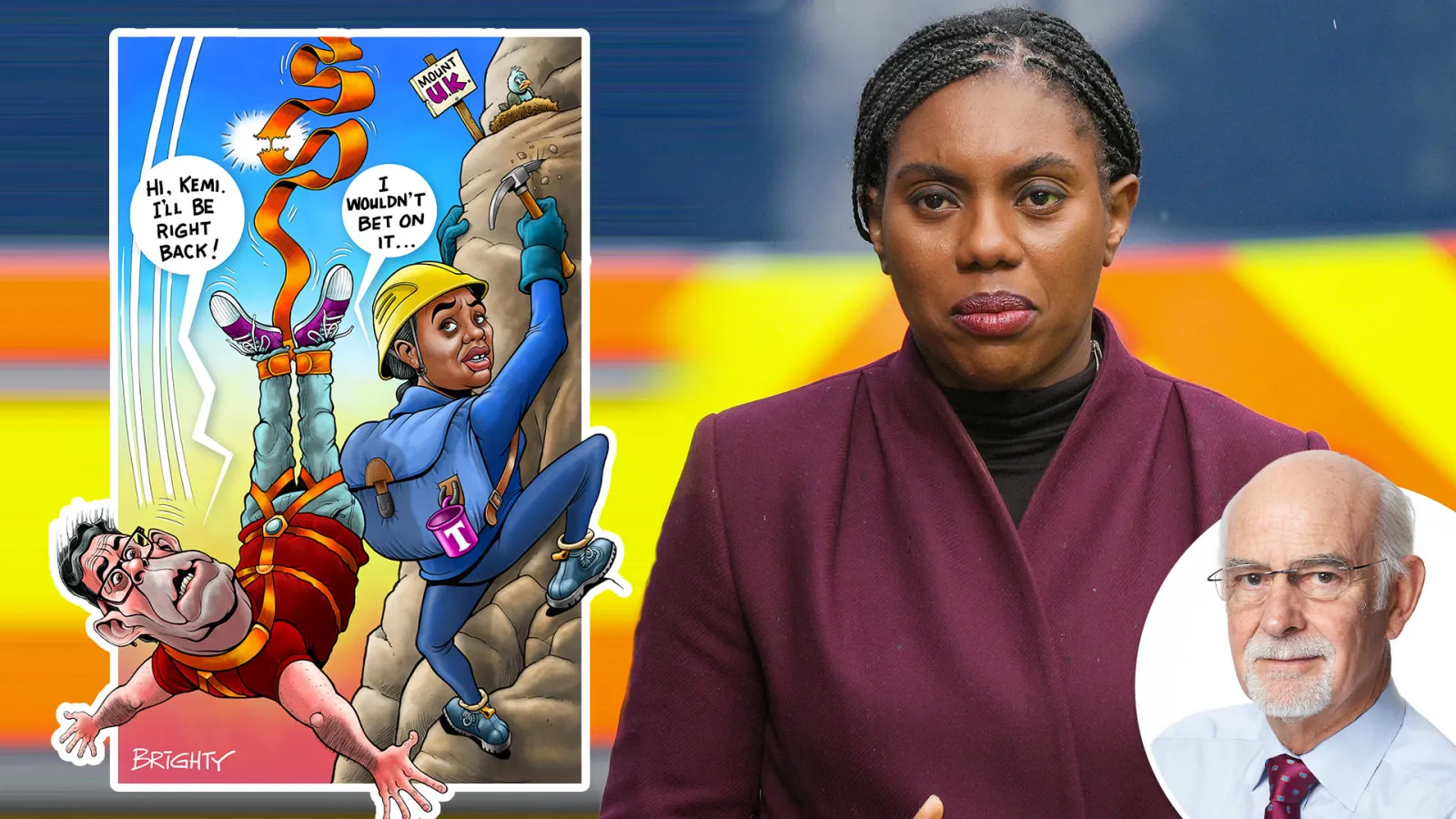
It is now four weeks since an investment of £41 was made in the Conservatives under the leadership style of Kemi Badenoch, and the shift is already yielding results in public opinion. The party's national poll rating has climbed from 17 per cent to 26 per cent. This places the Conservatives five points behind the Welfare Party and eight points ahead of Reform, marking a distinct turnaround in political momentum.
Kemi Badenoch has taken direct aim at what is described as a socialist administration led by Prime Minister Andy Burnham. Observers and voters increasingly view her political style as strong, direct, principled, and articulate. She recently drew national attention by exposing Chancellor John Healey's Budget as a sham and by laying bare the problems associated with a £20TRILLION slavery reparation proposal linked to Burnham.
This political phase represents a departure from earlier eras under former leaders such as David Cameron and Boris Johnson. While the financial investment of a £41 membership fee is modest, the broader stakes involve the political direction of the country during a period of considerable domestic and international strain. Public attention remains fixed on how the opposition will continue to press the government on key matters of statecraft.
Assessing Military Readiness and National Security Pressures
Remembrance Day traditionally serves as a moment to reflect on past conflicts, yet current conditions prompt serious questions regarding national defence. The country faces an alarming international environment, with critics arguing that the government remains at odds with measures required to guarantee public safety. The once-mighty military has been characterised by commentators as underequipped, featuring armed forces operating without sufficient ships, planes, or supplies.
Recent international events demonstrate how easily hostile states can disrupt modern infrastructure. Rioters across France, Italy, Germany, and Spain have faced orchestration by foreign influencers. Digital vulnerabilities mean supermarket freezers can be disrupted and food supply chains compromised through remote interference, while civil aviation can be grounded by single hoax calls. Intelligence agencies continue to issue warnings about potential disruptions that require serious preparation from both authorities and citizens.
Energy Costs, Net Zero Policies, and Winter Pressures
Domestic pressures are mounting ahead of the winter months, compounded by energy policy debates. Average energy prices are projected to rise from £1,723 to £2,189 a year by 2027. Observers attribute these increases to a combination of international conflicts and the Net Zero strategy championed by figures like Ed Miliband. Critics argue that reliance on rigid environmental targets has left the nation vulnerable to price shocks.
Furthermore, domestic energy reserves remain underexploited. The government has restricted new drilling operations in North Sea oil and gas reserves, a move that has drawn criticism even from within Labour ranks. Farmers and industrial producers report feeling the pinch of these regulatory burdens, while hard-pressed households watch their taxes fund government programmes rather than tangible infrastructure support.
Law and Order Concerns Under the Current Administration
Public dissatisfaction extends into the realm of domestic security and the enforcement of law and order. Citizens have expressed frustration over rising rates of shoplifting and the handling of serious offenders released back onto communities. Protests surrounding international disputes have at times challenged established legal boundaries, leading to perceptions that ordinary rules are not being uniformly applied.
Tensions also persist regarding freedom of speech and expression. Critics argue that while serious offenders face lenient treatment, ordinary citizens risk legal consequences for everyday remarks. Meanwhile, public debate over race, religion, gender, and community relations is heavily monitored, raising broader questions about civil liberties and the protection of traditional democratic freedoms.
The Debate Over Media Freedom and European Relations
Democratic norms face additional scrutiny regarding the freedom of the press. Prime Minister Andy Burnham has engaged with left-wing groups demanding increased state oversight of newspapers, leading to concerns that independent journalism could face severe restrictions. Freedom of the press remains a cornerstone of democratic accountability, and any move toward state control generates intense pushback from publishers and civil liberties advocates.
In addition, questions surround the government's approach to European relations and Brexit. During his by-election campaign, Andy Burnham pledged to apply a strict local test to every official decision. However, political opponents and local constituents remain watchful regarding any potential policy shifts that might alter the UK's sovereignty or restore the free movement of people, particularly in pro-Brexit constituencies that value national independence.
Shifting Demographics and Support Among Younger Voters
Political realignment is also visible across different age groups. Four weeks ago, fewer than ten per cent of voters under the age of 24 supported the Conservative Party. That figure has since risen to 17 per cent, driven in part by economic pressures facing younger generations, including high student loan burdens and uncertain employment prospects.
Disillusionment with the current administration extends to some Labour backbenchers and ministers who have begun expressing private and public reservations. Criticisms have emerged regarding policies on employment definitions, prisoner releases, and immigration controls. As Kemi Badenoch continues to challenge government policy, the broader political landscape shows signs of volatility that will shape upcoming parliamentary debates.