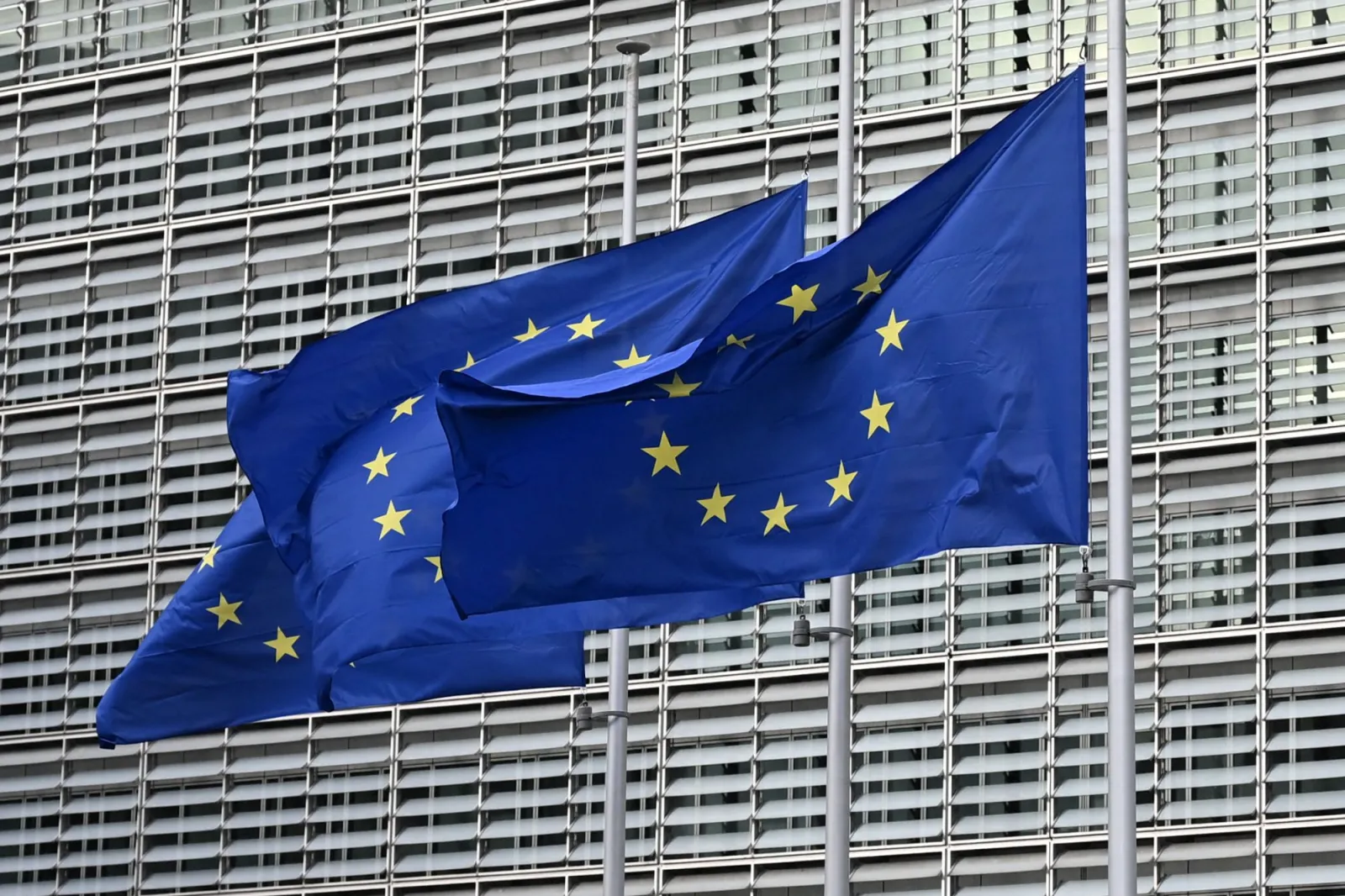
Labour Culture Secretary Lisa Nandy warned on Wednesday that a stronger relationship with the European Union will involve costs and trade-offs, a statement that comes ahead of the UK-EU "reset" summit scheduled for November 20.
Nandy told reporters that both she and Prime Minister Andy Burnham want a closer relationship with Brussels, but that any move toward greater alignment will require choices that affect people across the country.
What Did Lisa Nandy Say About EU Relations?
During a press briefing, Nandy said, "There are trade-offs and choices to be made here in the relationship with the European Union." She added, "The Prime Minister has made no secret of the fact that he, like me, wants to see a closer relationship. We think that is in Britain's interest."
She continued, "It is right to say there are costs as well as benefits to a closer relationship with the European Union. There are trade-offs to be made and we can't cut people out of that conversation."
Why the Comments Matter Now
The remarks arrive just days before the "reset" summit that will bring together UK and EU officials to discuss the next phase of the post-Brexit partnership. The summit, set for November 20, is expected to produce a package of options for deeper cooperation on trade, security, and regulatory alignment.
Opposition parties and some Labour supporters have expressed concern that the government is moving Britain closer to the bloc without fully explaining the financial or regulatory implications. The timing of the comments has therefore intensified debate over the direction of Labour's European policy.
Background: Britain's Brexit Journey and the Reset Concept
Since the 2016 referendum, the United Kingdom has pursued a series of negotiations to define its relationship with the EU. The initial withdrawal agreement, signed in 2020, established a trade-off-free arrangement but left many policy areas - such as financial services and data protection - under a "level playing field" framework.
In 2022 the UK government introduced the idea of a "reset" - a periodic review of the existing deal to identify areas where deeper alignment might be beneficial. The concept is intended to give both sides flexibility to adapt to changing economic conditions while preserving sovereignty.
Labour's 2024 election platform pledged to "re-engage" with Europe, promising to explore ways to strengthen ties without sacrificing the ability to set independent rules. The party's stance has been described as a "mixed messaging" approach, seeking to balance pro-EU sentiment among younger voters with concerns from traditional Labour heartlands about sovereignty and control over borders.
What the Reset Summit Could Deliver
Analysts expect the November 20 meeting to produce a set of policy options rather than a single definitive agreement. Possible areas of focus include:
- Enhanced customs cooperation to reduce paperwork for exporters.
- Mutual recognition of professional qualifications, especially in health and engineering sectors.
- Joint research funding mechanisms to replace EU Horizon funding lost after Brexit.
- Alignment on digital trade rules to facilitate cross-border data flows.
Each option will likely involve financial contributions to EU programmes or regulatory adjustments that could affect domestic industries.
Impact on Citizens and Businesses
Trade-offs mentioned by Nandy could manifest in several ways. For exporters, deeper customs alignment may lower costs but could require compliance with EU standards that differ from current UK rules. Small-medium enterprises (SMEs) might benefit from reduced administrative burdens, yet they could also face competition from EU firms if market access expands.
For students, Labour's plan to re-join the Erasmus Plus scheme in January is a concrete benefit. The scheme, which the UK left in 2018, will allow a new generation of British students to study abroad with funding support. However, critics argue that the cost of participation will be borne by the Treasury, adding to the fiscal burden.
Political Reactions and Opposition
The Conservative Party has seized on Labour's statements as evidence of "tone-deaf" policy. Tory Party chairman Kevin Hollinrake called the comments "tone deaf" after Labour highlighted the Erasmus Plus re-entry during Remembrance Sunday messaging.
Opposition Labour MPs have also expressed caution, urging the leadership to provide clearer details on the financial implications of any new EU alignment.
Next Steps After the Summit
Following the November 20 summit, Prime Minister Burnham is expected to present a set of options to Parliament. The government will likely seek a vote on any legislative changes required to implement the chosen path.
Stakeholders, including industry groups, student unions, and local authorities, have been invited to submit feedback during a consultation period that is expected to run for six weeks after the summit.
Watch for official briefing papers from the Department for International Trade and the Department for Education, which will outline cost estimates and implementation timelines for any new agreements.
Practical Takeaways for Readers
Anyone doing business with the EU should monitor the outcomes of the reset summit for potential changes to customs procedures and regulatory standards. Students planning to study abroad should watch for enrollment dates and funding details as the Erasmus Plus program re-opens.
Citizens concerned about public spending can expect parliamentary scrutiny of any financial commitments associated with deeper EU cooperation.