Labour MPs Stage Revolt Over Rosebank Oil Drilling
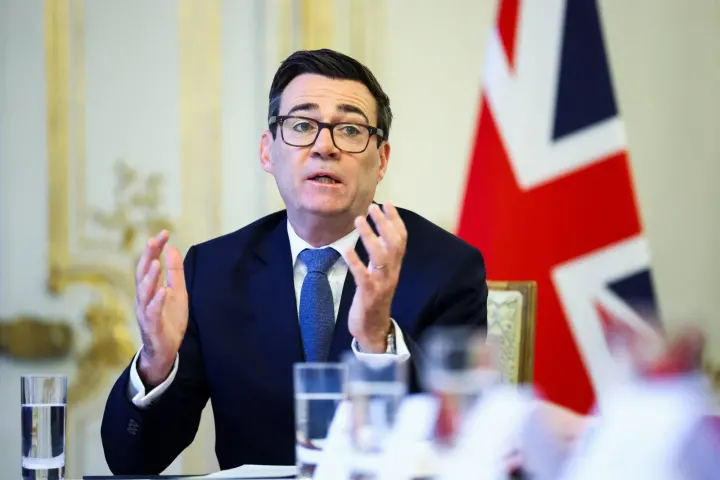
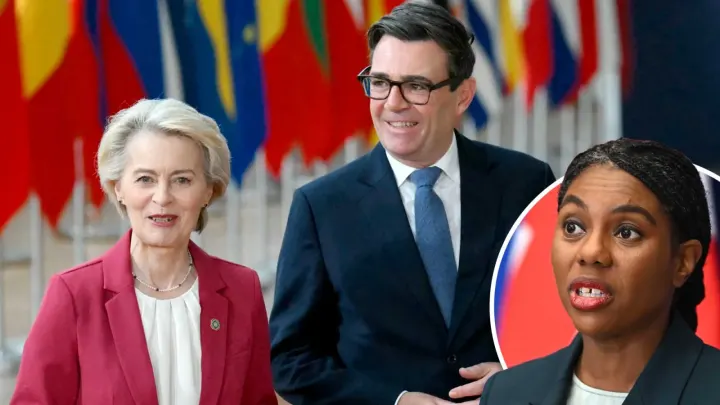
Andy Burnham was under pressure last night after more than 75 Labour left-wingers staged a revolt to stop new oil drilling. The Prime Minister and Energy Secretary Miatta Fahnbulleh were battling to stare down a fresh push to halt extraction at the Rosebank field in the North Sea. The eco-rebels are warning Mr Burnham's credentials as a climate campaigner will be in tatters should it be approved. It comes as gas will today begin heating UK homes after Labour green-lit the nearby Jackdaw field after public pressure on energy bills.
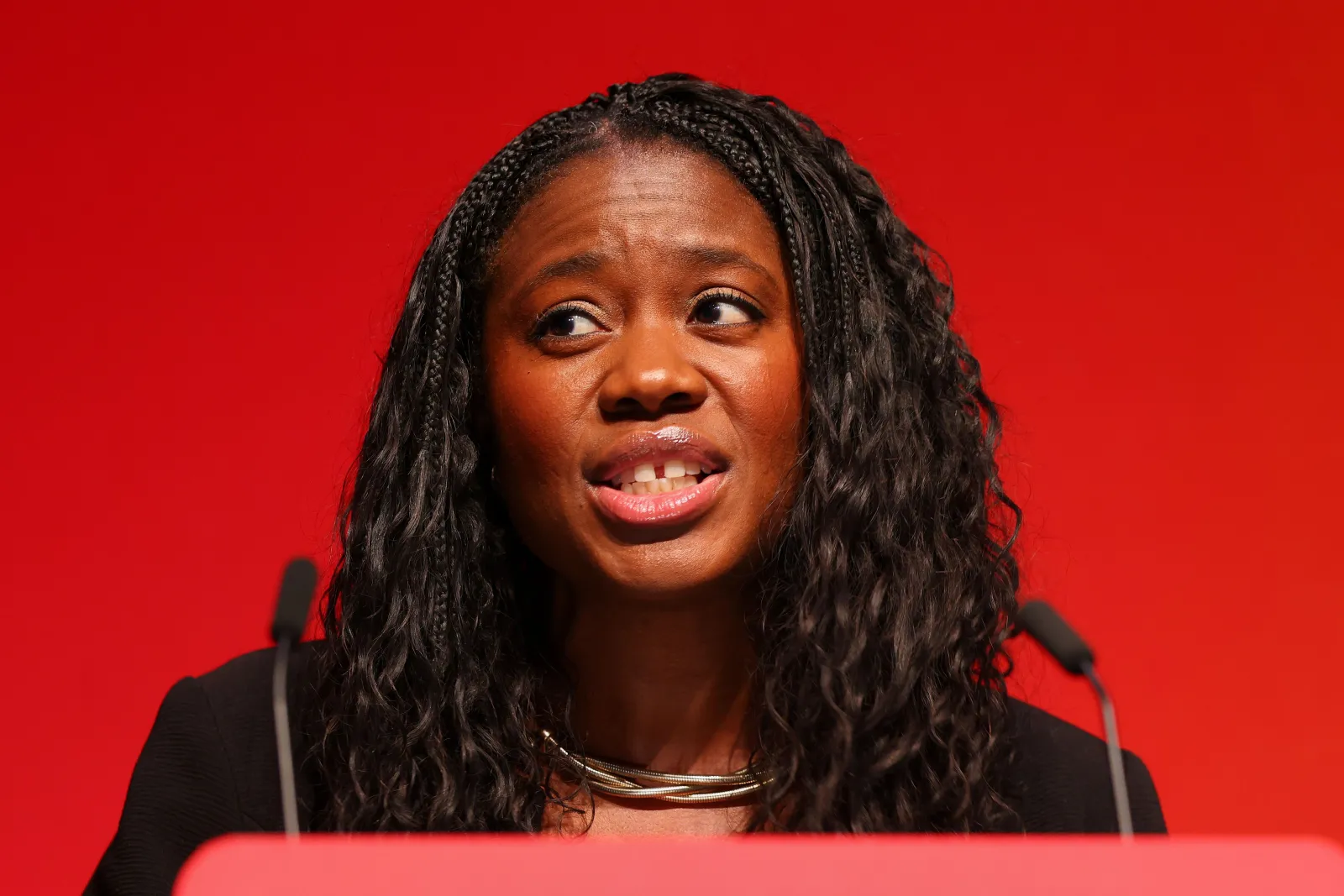
Energy Secretary Miatta Fahnbulleh admitted supplies would heat millions of homes this winter and were a boost for energy security. She is said to be more sceptical of Rosebank and is facing fevered demands from colleagues to kibosh it. Industry bosses, however, are urging the Government to grant approval, saying it would safeguard thousands of jobs. The move could also generate £1.4 billion in tax by 2029, North Sea operator Adura says.
Background on North Sea Oil and Gas Extraction
The debate surrounding North Sea energy production has remained a central issue in British politics for decades. Fields like Rosebank represent some of the remaining large-scale reserves in the UK continental shelf. Successive governments have balanced the urgent need for domestic energy independence against commitments to reduce carbon emissions. Energy security gained renewed focus following international supply disruptions, prompting debates over whether to extract remaining domestic fossil fuels or accelerate the transition to renewable power sources.
Regulatory approval processes for fields such as Rosebank involve rigorous environmental impact assessments and financial evaluations. Operators must secure various permits from offshore regulators before any physical extraction can begin. Past decisions have frequently drawn intense scrutiny from environmental groups, industry trade bodies, and parliamentary factions holding divergent views on climate policy and industrial strategy.
Economic Impact and Employment Concerns
Industry supporters argue that continuing extraction projects is vital for maintaining skilled employment across coastal towns and industrial supply chains. Companies involved in North Sea operations employ thousands of engineers, technicians, and support staff. Proponents claim that halting these projects abruptly would devastate local economies that have relied on offshore energy for generations.
Financial projections for Rosebank indicate substantial contributions to public finances. North Sea operator Adura says the move could generate £1.4 billion in tax by 2029. These revenues support public services and infrastructure spending at a time when national budgets face competing demands across health, education, and defense sectors.
Political Reactions and Parliamentary Divisions
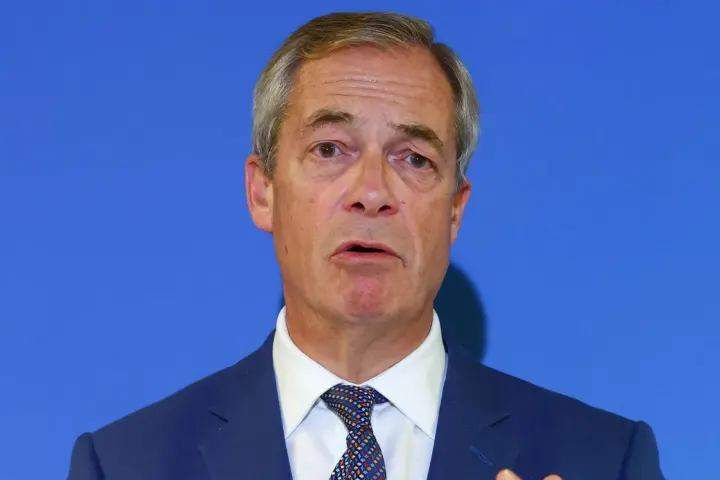
Political figures from across the spectrum have weighed in on the unfolding parliamentary showdown. Reform's Richard Tice condemned the actions of the internal party critics. He said, The Rosebank rebellion risks killing thousands of well-paid British jobs and tanking our energy industry. Eco-zealot Labour MPs are once again holding the country to ransom and sabotaging a critical national project. It would be an act of gross negligence for Burnham to abandon the national interest and capitulate to these nutters.
Other voices within the governing party have highlighted the dangers of abandoning traditional industrial sectors. Labour MP Henry Tufnell also spoke up for Rosebank. He said, We are drifting towards a reliance on foreign imports and an economic orthodoxy that couldn't care less about manufacturing. We cannot turn our backs on the industrial communities that have powered this country for generations.
What Next for Energy Policy and UK Homes
As the debate continues, the immediate practical impact of domestic gas production becomes visible to consumers. The commencement of gas heating from the Jackdaw field demonstrates how current extraction projects directly feed into national supply networks. Ms Fahnbulleh acknowledged that these supplies would heat millions of homes this winter, reinforcing the practical arguments made by energy security advocates.
The government must now decide the fate of Rosebank while managing deep divisions within its own parliamentary ranks. Observers will watch for formal announcements from the Department for Energy Security and Net Zero regarding regulatory milestones. The final decision will set a precedent for future fossil fuel licensing rounds and shape the broader trajectory of national energy policy.