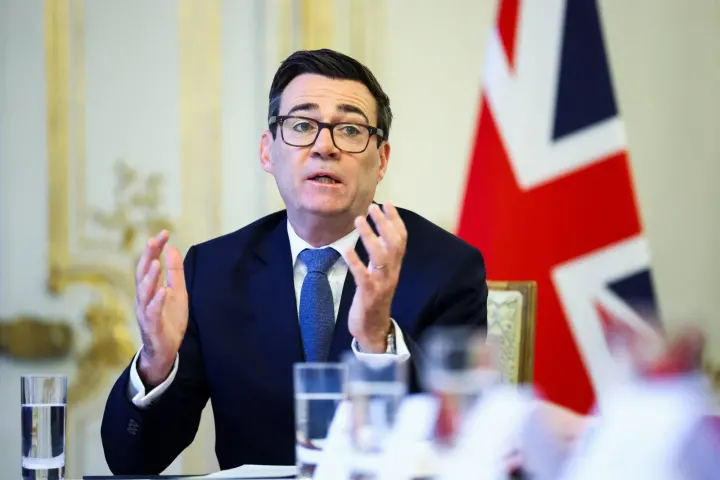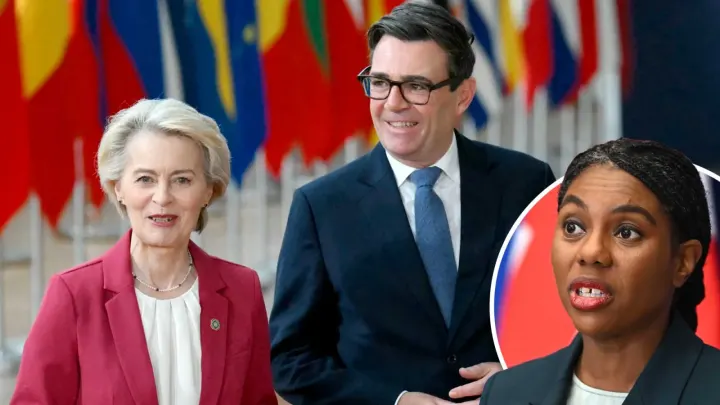
Prime Minister Andy Burnham arrived in Dublin on Monday for the European Political Community summit, where he is expected to discuss the UK's future relationship with the EU despite growing dissent within his own Labour Party.
Labour MPs have publicly given Burnham leeway, but behind closed doors a fierce debate is emerging over his repeated calls to re-join the bloc, a policy that was not part of the party's 2024 election platform.
What Is the European Political Community Summit?
The European Political Community (EPC) is a forum that brings together heads of state and government from across Europe to discuss shared challenges such as security, energy security, migration and the war in Ukraine. The Dublin meeting is a pre-lude to a larger UK-EU summit scheduled for the following week in Brussels.
Why Burnham's EU Talk Is Controversial Within Labour
Burnham has long expressed a personal ambition to see the United Kingdom re-join the European Union within his lifetime. He has also signalled openness to policies such as freedom of movement, which were central to the EU's single market.
Labour's 2024 landslide victory under Sir Keir Starmer did not include a pledge to re-join the EU. Moreover, many of the party's traditional heartlands, including Burnham's own Makerfield constituency, voted strongly for Brexit in the 2016 referendum - 65 per cent in Makerfield backed leaving the EU.
This creates a tension between Burnham's personal vision and the electoral mandate that brought Labour back to power. Party members and MPs who represent former Leave voters are now questioning whether the Prime Minister's agenda aligns with the "Makerfield test" he set for himself - a reference to his own constituency's Brexit vote.
How the Internal Labour Row Is Unfolding
Publicly, Labour MPs have offered Burnham a "free pass" for the time being, allowing him to attend the summit and engage in diplomatic dialogue. However, sources inside Westminster report that senior Cabinet ministers are increasingly pressed to justify the government's stance on EU relations.
In private meetings, ministers are said to be weighing the political cost of endorsing any move toward re-joining the EU against the need to maintain party unity. The debate is expected to intensify in the coming months as the government prepares for the Brussels summit, where concrete proposals could be tabled.
What the EU Has Said About the UK's Position
Former EU Brexit negotiator Michel Barnier warned that the United Kingdom cannot cherry-pick elements of its future relationship "à la carte". His comment underscores the EU's view that any deeper integration - including re-membership - would require the UK to meet the same standards and obligations as existing members.
Barnier's warning reflects a broader EU stance that any potential re-entry would be subject to rigorous political and legal scrutiny, and that the bloc would likely impose conditions to deter other countries from pursuing a similar path without full commitment.
Potential Impact on UK Policy and Public Opinion
If Burnburn's EU-re-join agenda gains traction, it could reshape trade, immigration and regulatory frameworks. Freedom of movement, for example, would affect labour markets, housing and public services across the UK.
For voters in former Leave areas, such a shift could trigger a backlash, potentially eroding Labour's support in key constituencies. Conversely, pro-EU constituencies might view the move as a fulfilment of long-standing aspirations, creating a new political fault line within the party.
What Comes Next After the Dublin Summit
While the EPC summit's official agenda focuses on Ukraine, energy and migration, Burnham is expected to use the margins to discuss the UK's EU relationship with other leaders. The outcomes of those side-door conversations will likely influence the agenda of the upcoming UK-EU summit in Brussels.
Observers note that any substantive proposal to re-join the EU would require parliamentary approval, likely prompting a series of debates in the House of Commons and the House of Lords. The Labour Party's internal mechanisms - including the National Executive Committee and the party conference - may also become arenas for contesting the policy.
Until concrete proposals are presented, the internal Labour row will remain a defining feature of Burnham's early tenure as Prime Minister, shaping both domestic politics and the UK's diplomatic posture toward Europe.