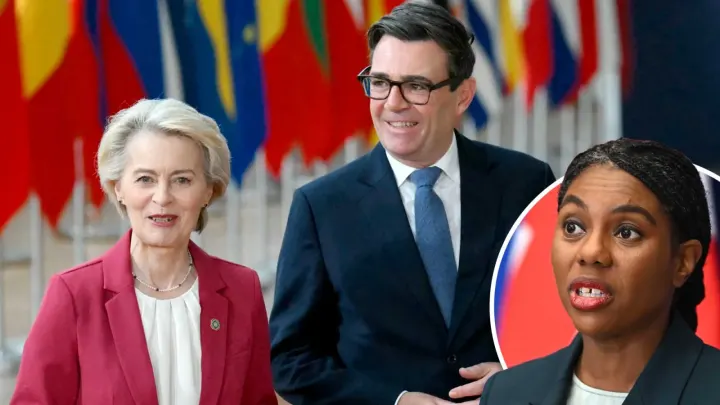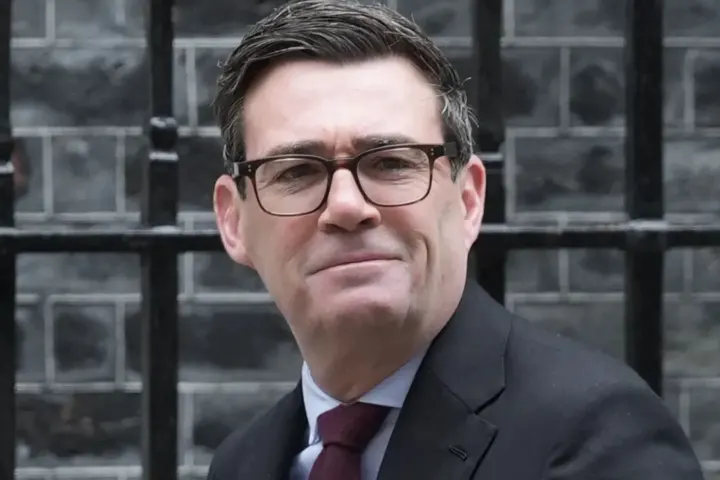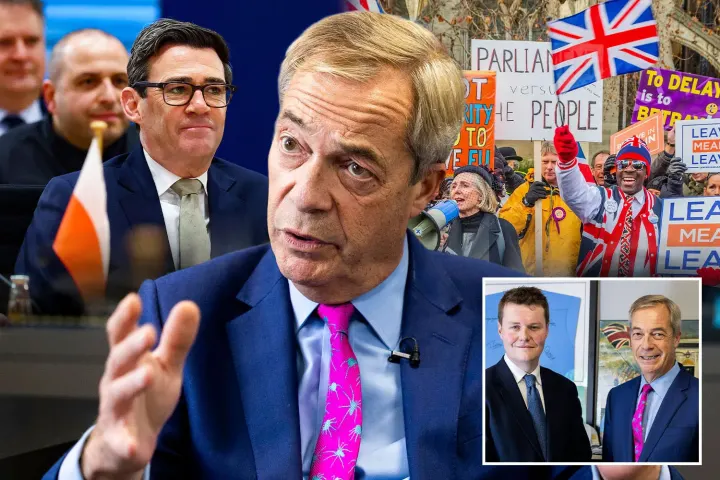
Prime Minister Andy Burnham was last night finalising his flagship Europe deal ahead of a crunch summit in Brussels today.
What the Brussels Summit Is About
Labour's top team were buried in reams of paper on the Eurostar as they headed for the Belgian capital. Deputy Prime Minister Louise Haigh and Europe minister Hamish Falconer were last night spotted hopping off the train, ready for the latest round of Labour's reset with Brussels.
Talks with EU diplomats are said to be going down to the wire, but a chunky deal is expected. Under the plans, Britain will sign up to EU rules on food, carbon trading and youth mobility in return for closer access to the single market. The UK will also pay into a fund to get access to Europe's energy market.
Background: How Britain's Relationship With the EU Evolved
Since the 2016 referendum, successive governments have tried to balance sovereign control with the economic benefits of the European single market. The original "Brexit" deal left the UK with limited tariff-free access and a complex customs arrangement. Over the past decade, public opinion polls have repeatedly shown that many voters feel Brexit has been badly handled.
Labour, now in power under Burnham, has pursued a "reset" strategy that seeks to align UK standards with EU rules without a full re-entry. This approach mirrors earlier attempts by former administrations to negotiate "Norway-style" arrangements, where a non-EU member follows many EU regulations in exchange for market access.
Key Provisions of the New Deal
The deal being hammered out in Brussels contains three main pillars:
- Regulatory alignment: Britain will adopt EU standards on food safety, carbon-trading schemes and youth mobility programmes. This alignment is intended to remove non-tariff barriers for British exporters.
- Energy market fund: The UK will contribute financially to a European energy market fund, securing a seat at the table for cross-border electricity and gas trading.
- Potential tariff regime: A "Made in Europe" policy under discussion could impose tariffs on British goods exported to the EU, a point that critics warn could hurt sectors such as the automotive industry.
Why Critics Fear a Step Back Into the EU
Opponents argue that aligning so closely with EU rules is a "step into sleepwalking back into the EU". British carmakers are expected to face the brunt of a Made in Europe policy soon, which if agreed would slap tariffs on British exports and damage its car industry. The concern is that these tariffs would make it less competitive for manufacturers to produce in the UK, potentially prompting firms to relocate production to the continent.
Critics also warn that the deal could pave the way for a future customs-union re-entry, a scenario Labour MP David Lammy has hinted at by calling for a "Rejoin" referendum at the next election.
Political Reactions Inside Westminster
Many Labour MPs are delighted with the move. One Red Wall Labour MP said: "I think people agree it's been crap, even if it's just waiting at the gates on holiday. Businesses definitely think it and moan about it. We can't be rejoining, but closer is better." The quote reflects a pragmatic view that tighter EU ties may be a lesser evil compared to a hard Brexit.
Polls show most voters think Brexit has been badly handled over the past decade. But crucially, more Brits would rather Burnham focused on "making Brexit work" (46 per cent) than on rejoining the EU (38 per cent). According to More in Common, Rejoin would still win if a referendum were held tomorrow. But its lead is narrowing.
Former Deputy Prime Minister David Lammy is the latest to argue that Rejoin should be on the ballot at the next election. Even Lord Cameron, who led the Remain campaign in 2016, has conceded that closer EU ties will unlikely fix the country's major issues on welfare, the economy and defence.
Impact on the British Economy and Industry
The automotive sector is the most immediate casualty of a potential Made in Europe tariff regime. British manufacturers such as Jaguar Land Rover and Mini rely heavily on EU components and export a large share of finished cars to Europe. Tariffs could raise vehicle prices by up to 10 per cent, eroding market share.
Energy market access, however, could bring benefits. By joining the European energy fund, the UK may secure cheaper wholesale electricity prices and greater grid stability, especially important as the country expands renewable generation.
For consumers, regulatory alignment on food standards could mean fewer import checks and lower prices for EU-produced goods. Youth mobility provisions may also open up study and work opportunities for British students in EU universities.
What Comes Next After the Summit
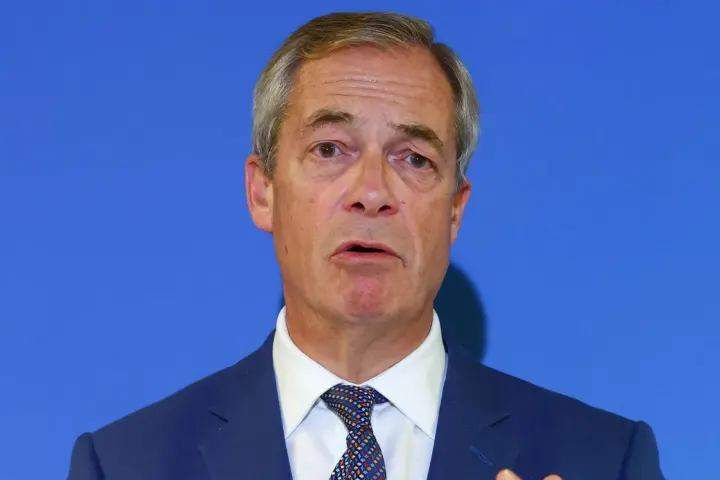
The one-day summit will end with a press conference trumpeting Britain's closer ties with the bloc. After the summit, the Reform Party is expected to hold its own briefing, where it is certain to rip much of the deal apart. The parliamentary process will require the deal to be laid before the House of Commons, where MPs will debate each clause and vote on whether to ratify the agreement.
Key dates to watch include the formal submission of the deal to the UK Parliament, the scheduled debate in the Commons Finance Committee on the energy fund contribution, and a possible vote on the Made in Europe tariff framework within the next three months.
Practical Takeaways for Readers
For businesses that import food or automotive parts from the EU, the alignment of standards may reduce paperwork and lower compliance costs. Energy-intensive firms should monitor the fund contribution details, as the UK's share could affect utility rates.
Citizens planning to study or work abroad should watch for the rollout of the youth-mobility scheme, which could simplify visa applications and provide funding for short-term placements.
Why the Europe Deal Is a Turning Point
Europe has come to dominate Burnham's premiership, even as problems pile up at home. The deal signals a strategic shift: rather than pursuing a hard break, the Labour government is choosing a pragmatic alignment that may reshape Britain's economic landscape for years to come.
While the move may please pro-EU MPs and voters, the ultimate test will be whether the promised market benefits outweigh the potential costs to key industries and whether the government can still address the deeper welfare, economic and defence challenges that continue to trouble the nation.